
Convenience store building is the end-to-end process of planning, permitting, designing, and constructing a retail c-store, often paired with fuel. In Galveston, Texas, Tip Top Builders delivers this as a turnkey service—from site selection to opening—so operators get compliant, functional stores launched faster with fewer delays and change orders.
By Aftab Ali — Manager, Tip Top Builders
Last updated: 2026-06-11
Overview and Table of Contents
A successful convenience store build follows a clear sequence: feasibility and site selection, permitting and environmental review, architecture and engineering, site preparation and utilities, vertical construction, inspections, and store commissioning. This guide explains each step, Texas-specific considerations, best practices, and how Tip Top Builders streamlines delivery across the state.
Use this overview to jump to what you need now. We include checklists, Texas-focused insights, and actionable steps you can put to work this week.
- Definition: what “convenience store building” includes (and excludes)
- Why timing, compliance, and layout drive profitability
- How the process works in seven practical phases
- Design approaches and construction methods for c-stores
- Best practices for schedules, safety, and sustainability
- Tools, templates, and resources we actually use
- Real-world mini case snapshots from Texas projects
- Pricing factors (no specific numbers) and value levers
- FAQ: permits, timelines, inspections, and more
What Is Convenience Store Building?
Convenience store building is the coordinated delivery of a retail c-store—from site selection and permitting through design, construction, inspections, and opening. It integrates fuel-system compliance, ADA access, fire-life safety, refrigeration, and merchandise flow for fast, safe customer service and efficient operations.
In our experience, clarity on scope prevents delays. “C-store building” spans:
- Predevelopment: site selection, traffic/access studies, due diligence, and land acquisition strategy.
- Entitlements: zoning confirmation, permits, environmental assessments, and authority coordination.
- Design & engineering: architecture, structural, MEP, civil, and fuel system integration.
- Site preparation: clearing, grading, excavation, drainage, and utilities.
- Vertical construction: shell, interior build-out, equipment set, and commissioning.
- Closeout & opening: final inspections, documentation, training, and turnover.
For Texas operators, the difference between a slow, fragmented project and a streamlined delivery is an integrated team. Tip Top Builders aligns planning & design, site preparation & excavation, and construction management under one accountable partner in Galveston serving cities across the state.
Why Convenience Store Building Matters
The way you plan and build a convenience store determines opening speed, compliance outcomes, and lifetime operating cost. Tight layouts raise sales per square foot, while early permit strategy prevents rework. A disciplined build reduces change orders, improves safety, and preserves margins over the store’s lifecycle.
Why it matters most to owners and operators:
- Speed to open: Every week saved accelerates cash flow and market capture.
- Throughput & layout: Clear entries, sight lines, and adjacencies lift basket size.
- Compliance certainty: Fuel, fire, ADA, and health standards must be met the first time.
- Durability & maintenance: Robust materials and details cut downtime later.
- Sustainability: Efficient lighting/HVAC and low-VOC finishes improve comfort and air quality.
What most people don’t realize: modest design decisions ripple into daily operations. For example, a 36-inch accessible path around gondolas is not just a code detail—it speeds shopping, improves cleaning access, and reduces trip hazards. We’ve found that sober attention to these “small” specs creates outsized performance.
How Convenience Store Building Works: Step-by-Step
The best c-store builds follow seven phases: feasibility, entitlements, design/engineering, site preparation, vertical construction, inspections, and commissioning. Each has clear deliverables, approvals, and handoffs. Locking scope and drawings early reduces change orders and keeps schedules predictable.
Phase 1: Feasibility and Site Selection
- Define concept: fuel positions, car count, square footage (often 2,400–5,000 sq ft), foodservice, and car wash adjacency.
- Traffic & access: turning movements, right-in/right-out options, truck routes, and parking yield.
- Utilities & soils: capacity, setbacks, flood and wind zones, contamination review.
- Action: Engage Tip Top Builders early for planning and design input before you lock land.
Phase 2: Entitlements, Permits, and Environmental
- Zoning & use: verify c-store with fuel is permitted or identify special approvals.
- Environmental review: scope assessments and coordinate mitigations if required.
- Submittals: civil, architectural, structural, MEP, and fuel-system drawings sealed as needed.
- Action: Track agency comments in a log; our construction management team shepherds responses.
Phase 3: Architecture and Engineering
- Brand elevation: storefront glazing, canopy proportion, materials, and signage zones.
- Fuel integration: UST placement, dispenser spacing, emergency shutoffs, and fire separations.
- Interior adjacencies: coffee and hot grab-and-go near front-of-house; restrooms near back-of-house with direct service access.
- Action: Align drawings with architecture and design standards before procurement.
Phase 4: Site Preparation and Utilities
- Clearing/grading: shape pads and slopes; verify compaction; protect adjacent properties.
- Undergrounds: water, sewer, power, communications, and fuel lines installed to plan.
- Stormwater: inlets, piping, detention, and oil-water separators as required.
- Action: Use our site development process to keep inspections smooth.
Phase 5: Vertical Construction
- Shell: slab, structural framing, exterior sheathing, roofing, and weather barrier.
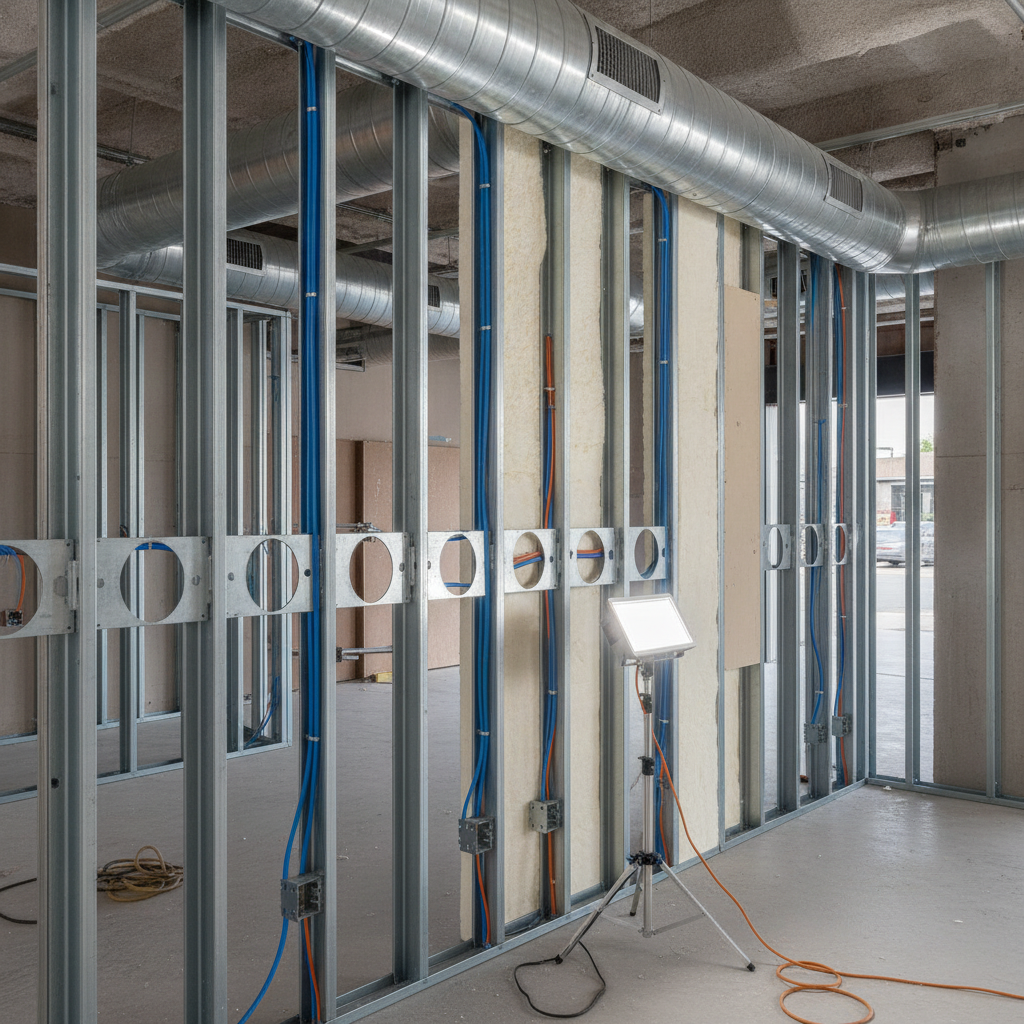
- MEP rough-in: electrical gear, ductwork, plumbing, and refrigeration line sets.
- Interior build-out: insulation, drywall, tile, ceilings, millwork, and equipment set.
- Action: Coordinate long-lead items through our construction management schedule.
Phase 6: Inspections and Closeout
- Agency walkthroughs: building, fire, health, and fuel-system checks.
- Deficiency punch: track items with photos and target dates to zero-out issues.
- Documentation: O&M manuals, as-builts, warranties, and training.
- Action: Use a single turnover binder to streamline operations handoff.
Phase 7: Commissioning and Opening
- Systems test: emergency lighting, HVAC balance, refrigeration temps, POS and security.
- Merchandising: planograms set, pricing rails installed, and facing complete.
- Soft opening: verify staffing flows, stocking, sanitation, and fuel equipment readiness.
- Action: Final readiness checklist aligned with your brand standards.
Below is a typical process map you can adapt on day one.
| Phase | Primary Deliverables | Owner Decision Gate |
|---|---|---|
| Feasibility | Concept program, site tests | Land strategy “go/no-go” |
| Entitlements | Permit log, agency approvals | Release for construction |
| Design/Engineering | IFC drawings, specs | Scope lock for buyout |
| Site Prep | Pad, utilities, stormwater | Vertical start |
| Vertical | Shell and interiors | Substantial completion |
| Inspections | Punch and approvals | CO/occupancy |
| Commissioning | Systems verified, training | Grand opening |
Types, Methods, and Approaches
C-stores can be built as ground-up stick-built, structural steel, modular/panelized, or adaptive reuse. Each method trades speed, flexibility, and supply risk differently. Choosing the right approach depends on site constraints, brand standards, and lead times for fuel equipment and refrigeration.
Ground-Up (Traditional)
- Strengths: high design flexibility, local trades familiarity, easy to tailor to brand.
- Risks: longer schedules if drawings change; weather-sensitive sequencing.
- Best for: custom elevations, complex sites, or flagship locations.
Structural Steel or Tilt
- Strengths: durable shells, clear spans, and predictable erection timelines.
- Risks: steel market volatility; crane logistics on tight sites.
- Best for: larger formats and heavy MEP loads (foodservice, coolers, freezers).
Modular/Panelized
- Strengths: off-site fabrication shortens on-site time; improved quality control.
- Risks: transport and set coordination; local code review on factory documents.
- Best for: repeatable prototypes and schedule-driven rollouts.
Adaptive Reuse
- Strengths: faster occupancy on existing pads; potential sustainability win.
- Risks: hidden conditions, utility upgrades, and parking/circulation compromises.
- Best for: in-fill markets where land is constrained.
Quick comparison of popular paths:
| Approach | Speed | Design Flexibility | Site Constraints |
|---|---|---|---|
| Ground-Up | Moderate | High | Handles complex |
| Structural Steel/Tilt | Moderate-Fast | Medium-High | Needs crane access |
| Modular/Panelized | Fast | Medium | Transport logistics |
| Adaptive Reuse | Fast | Low-Medium | Existing limits |
Best Practices That Protect Your Schedule
Standardize drawings early, lock long-lead items, and front-load civil coordination. Use a single RFI/submittal log, weekly look-ahead schedules, and safety walk-throughs. Treat ADA and fire-life safety as design drivers, not late checks. These habits compress timelines and prevent rework.
- Permit-first thinking: Align civil, architectural, and fuel details before submittal.
- Long-leads: order panels, gear, dispensers, and walk-ins as soon as drawings freeze.
- Layout discipline: maintain 36-inch accessible routes around gondolas; keep high-velocity items on natural paths.
- Safety culture: daily tailgate talks and weekly audits reduce incidents and downtime.
- Documentation: photo logs of below-grade work for future maintenance and warranty claims.
- Owner visibility: use dashboards and milestone gates; our construction management playbook keeps all parties aligned.
Tools and Resources We Use
Effective c-store delivery relies on practical tools: standardized checklists, permit trackers, submittal/RFI logs, look-ahead schedules, and readiness checklists. We complement these with trade partner scopes, commissioning scripts, and turnover binders to make operations seamless from day one.
- Permit tracker: status by agency, comment logs, and next actions.
- Submittal register: refrigeration, fuel, electrical gear, and finish approvals with dates.
- Two-week look-ahead: ties procurement to field work.
- Commissioning scripts: refrigeration temps, HVAC balance, emergency lighting, POS and security.
- Turnover binder: as-builts, O&M, warranties, and emergency contacts.
- Design references: see our building design guide and planning and zoning primer.
Case Studies and Examples (Texas Snapshots)
In Texas rollouts, schedule wins come from early utility coordination, standardized interiors, and proactive inspections. These snapshots show how small decisions—like canopy column spacing and cooler line routing—avoid rework and keep opening dates intact across multiple markets.
- Gulf Coast pad with tight access: We shifted fuel canopy columns to widen the truck swing path, avoiding curb rework and keeping paving on schedule.
- Central Texas in-fill: Coordinated panelized exterior with local approvals up front, then staged deliveries to fit a narrow alley crane plan.
- College-town prototype: Standardized restrooms and back-of-house millwork across locations, cutting install time and punch items on each site.
These examples draw on our statewide experience in Galveston, Beaumont, Port Neches, Nederland, College Station, Austin, Sugar Land, and Port Arthur. The most consistent driver of success is a single accountable partner across planning, site preparation, and construction management.
Pricing Factors and Value Levers (No Specific Dollar Figures)
Project investment for c-store builds is driven by site conditions, utilities, structure type, fuel scope, refrigeration/MEP loads, finish level, and schedule pressure. Owners control value by locking drawings early, standardizing details, and sequencing long-lead procurement to prevent premium freight or rework.
- Site conditions: cut/fill, unsuitable soils, drainage, and flood or wind criteria.
- Utilities: off-site upgrades, transformer availability, and service taps.
- Structure: conventional framing vs. steel or panelized shells.
- Fuel scope: UST size/count, dispenser quantity, canopy spans, and fire systems.
- MEP & refrigeration: cooler/freezer count, walk-in size, and electrical gear lead times.
- Interior finishes: tile, millwork, lighting quality, and ceiling systems.
- Schedule pressure: overtime, temporary protection, and off-hours inspections.
We avoid surprises through disciplined preconstruction: our planning & design process aligns expectations before a shovel hits the ground.
Texas-Specific Codes and Compliance Focus
Texas c-store projects must satisfy building, fire, health, accessibility, and fuel-system requirements. Coordinate egress, ADA routes, canopy clearances, emergency shutoffs, ventilation, and refrigeration with local reviewers early. Clear drawings and a single point of contact speed approvals and inspections.
- Accessibility: continuous accessible route from parking to sales floor and restrooms; fixtures placed to maintain reach ranges.
- Fire-life safety: canopy emergency shutoffs, extinguisher placement, and clear exit travel paths.
- Fuel systems: UST setbacks, dispenser spacing, vapor recovery (where required), and spill containment.
- Health: hand-wash, mop sinks, and finishes appropriate for foodservice zones.
- Energy: LED lighting, HVAC efficiency, and building envelope details for Texas climates.
Clearance, spacing, and route requirements aren’t “paper” issues. They feed real-world throughput. When entries and gondolas are planned for both accessibility and merchandising, shoppers move faster, dwell longer, and buy more.
Common Mistakes to Avoid
The biggest c-store build mistakes are late scope changes, missing utility confirmations, and treating ADA and fire-life safety as afterthoughts. Lock drawings, verify power and water capacity, and walk layouts full-scale before framing begins to eliminate costly rework.
- Skipping feasibility: buying land before access and utilities are proven.
- Fragmented teams: handing off between separate designers, site crews, and builders without a single schedule.
- Late store planning: picking finishes and millwork after framing.
- Underestimating inspections: failing to plan temporary protections and readiness checks.
- Fuel coordination gaps: not sequencing canopy, dispenser, and UST work with paving and striping.
Mid-Project Checklist (Owner’s Quick Audit)
Use a two-minute audit weekly: confirm utilities, long-lead orders, ADA clearances, and inspection readiness. Ask for photo logs on undergrounds, updated look-aheads, and a punch list with target dates. Fast feedback loops keep schedules honest and predictable.
- Utilities installed and inspected (water, sewer, power, comms, fuel lines)
- Long-lead gear confirmed shipped with tracking references
- ADA clearances maintained in current framing
- Stormwater controls maintained and documented
- Open RFIs/submittals with due dates and responsible parties
- Next inspections booked with prep owner-walk scheduled
Thinking about a new c-store in Texas?
Tip Top Builders can coordinate planning & design, site preparation & excavation, and construction management as one accountable partner. Let’s map your path to opening and cut avoidable delays.
Start here: our convenience store construction guide pairs well with this article.
Local considerations for Galveston
- Account for coastal wind exposure and drainage when designing canopies and facades; verify tie-down details and stormwater plans early.
- Plan schedules around peak heat and storm seasons to protect crews and maintain productivity without overtime-driven resequencing.
- Coordinate utility and inspection windows with regional workloads to avoid bottlenecks; book critical inspections well in advance.
Frequently Asked Questions
Owners ask about timelines, permits, inspections, and fuel-system coordination. The fastest way to move is to lock drawings early, verify utilities and access, maintain a single permit log, and book inspections ahead of field progress. One accountable partner keeps everything on track.
How long does a convenience store build typically take?
Timelines vary by site and method. Ground-up projects often span several months from permits to opening, with entitlements and procurement running in parallel. Modular or panelized approaches can reduce on-site time, but utility and inspection readiness still determine your true opening date.
Do you help with permits and zoning approvals?
Yes. We manage permit submittals, track agency comments, and coordinate responses across civil, architectural, MEP, and fuel-system details. A single, up-to-date permit log and scheduled reviewer check-ins keep approvals moving and prevent last-minute surprises.
What’s the best store layout for sales and compliance?
Start with clear sight lines from the entry, 36-inch accessible routes around gondolas, and straightforward adjacencies: coffee and hot food near front-of-house, restrooms near back-of-house, and coolers along perimeter walls. This layout balances ADA access, security, and fast shopping.
Can you coordinate fuel canopy, dispensers, and UST work?
We align canopy erection, dispenser installation, and UST work with paving, striping, and fire inspections. Sequencing these scopes prevents rework and keeps the project ready for combined walkthroughs, which reduces punch items and shortens the path to opening.
Key Takeaways
Choose an integrated partner, lock drawings early, and coordinate utilities and inspections. Treat accessibility, fire-life safety, and fuel integration as design drivers. Use checklists and look-aheads to maintain schedule certainty from land deal to grand opening.
- Plan, permit, design, and build as a single, sequenced workflow.
- Standardize details and order long-lead items early.
- Use owner audits and photo logs to keep teams accountable.
- Lean on statewide experience to anticipate local constraints.
- Integrate layout and code to boost sales and safety together.
For deeper dives, see our internal guides on gas station building and urban design—they connect permits, site work, and vertical construction into one predictable plan.