
Planning and development in construction is the coordinated front-end that turns an idea or raw land into a code-compliant, buildable project. It aligns site selection, entitlements, environmental requirements, and design so field work starts once and finishes on schedule. In Galveston, Tip Top Builders applies this rigor across fuel, commercial, and residential builds.
By Aftab Ali — Manager, Tip Top Builders • Last updated: May 13, 2026
Above-Fold: why this guide and what you’ll learn
Use this complete guide to stop delays before they start. You’ll see how Texas planning and development flows from due diligence to permits to mobilization, where rework hides, and which steps Tip Top Builders uses in Galveston and statewide to keep gas stations, commercial spaces, and homes moving without surprises.
- The practical meaning of planning and development for Texas projects
- Where delays originate and how to prevent them with early checks
- Step-by-step: discovery, design, approvals, and preconstruction
- Delivery methods: design-bid-build, design-build, CM at Risk
- Environmental and safety gates fuel sites must pass
- Checklists, tools, and mini case studies from Texas work
Quick Summary
Great projects are built twice—first on paper, then on site. Effective planning and development reduces risk by validating site data, aligning agencies early, and issuing coordinated drawings. Tip Top Builders integrates civil, architectural, and permitting so Texas projects break ground once and finish without costly redesigns.
At a glance, schedule risk concentrates before mobilization. Teams that confirm access, utilities, drainage capacity, and operational circulation during concept design avoid iterative comments later. For fuel and C-store projects, underground storage tank (UST) siting and stormwater planning are gating items that must be solved alongside civil and architectural permits.
Local considerations for Galveston
- Plan for coastal rainfall by sizing detention and validating drainage outfalls early; this reduces redesign risk during municipal review.
- Time submittals around seasonal demand; summer tourism can affect municipal review bandwidth and inspections, so sequence permits accordingly.
- Coordinate utilities with longer lead times; coastal projects often face extended windows for service upgrades and transformer set dates.
What is planning and development?
Planning and development is the front-end discipline that transforms risk into defined scope. It covers site selection, entitlements, environmental due diligence, coordinated civil/architectural design, and permit sequencing so construction can proceed with stable cost, schedule, and compliance targets.
In practice, this includes feasibility, site selection and land acquisition support, zoning and land-use confirmation, environmental diligence, schematic through construction documents, and pre-bid or pre-GMP services. For fuel retail, add UST siting, canopy clearances, hazardous area boundaries, and life-safety integration within the civil and architectural packages.
- Entitlement checks: confirm zoning, overlays, use-by-right or special use, variances, and any development agreements.
- Environmental diligence: screen stormwater applicability, potential wetlands, and conduct a Phase I ESA to surface red flags.
- Technical baselines: commission survey, geotechnical borings, utility availability/capacity, and preliminary drainage modeling.
- Program definition: clarify square footage, parking ratios, dispenser count, canopy span, and loading circulation.
- Design coordination: integrate civil, architectural, structural, MEP, and fuel system drawings into a coherent set.
For owners who want a single accountable partner from the first sketch, our planning and design services bundle feasibility, entitlement mapping, and design coordination into one transparent track that stays aligned with operations.
Why planning and development matters
Stronger planning shrinks rework, shortens review cycles, and prevents on-site stalls. Most construction delays trace back to front-end gaps—missed utilities, incomplete drainage, or unclear scopes—so early precision pays off with fewer RFIs, cleaner inspections, and predictable opening dates.
We see three compounding effects: better drawings cut change exposure, early agency alignment removes rescopes, and validated logistics keep field crews productive. For fuel and C-store projects, life-safety and environmental requirements add complexity that is easiest—and least expensive—to solve before design is locked.
- Schedule stability: permit-ready drawings reduce redesign loops and change orders.
- Budget reliability: clearer quantities and details produce tighter bids or GMPs with fewer surprises.
- Inspection readiness: code-conforming details smooth approvals and minimize punch-back.
- Operational fit: dispenser placement, canopy height, and drive paths affect throughput on day one.
When planning identifies long-lead materials early, procurement can queue orders before grading completes. That coordination reduces idle time during site work—a common cause of cascading delays that we solve through our construction management approach.
How planning and development works (step-by-step)
The workflow moves from discovery to design to approvals, then into preconstruction. Validate the site, secure entitlements, finalize coordinated drawings, and stage permits and procurement so crews can mobilize once with minimal interruptions.
- Define goals: program targets, brand standards, dispenser/fuel positions, and schedule milestones.
- Screen the site: access points, topography, utilities, drainage outlets, adjacent uses, and traffic patterns.
- Due diligence: survey, geotechnical borings, environmental desktop checks, and traffic screening.
- Agency alignment: pre-application touchpoints map submittal routes, prerequisites, and review timelines.
- Concept design: civil massing and architectural layout; verify circulation, parking, and canopy geometry.
- Permitting: zoning, civil/utility, building, signage, and right-of-way or driveway access approvals as applicable.
- Construction documents: coordinated civil, architectural, structural, MEP, and fuel drawings for submittal and pricing.
- Preconstruction: schedule, procurement, subcontractor outreach, safety planning, and mobilization sequencing.
Any site disturbing an acre or more typically requires stormwater construction coverage before land disturbance. Fuel projects must integrate UST plan review, certified installation, leak detection performance standards, and tamper-resistant equipment layouts before operations begin.
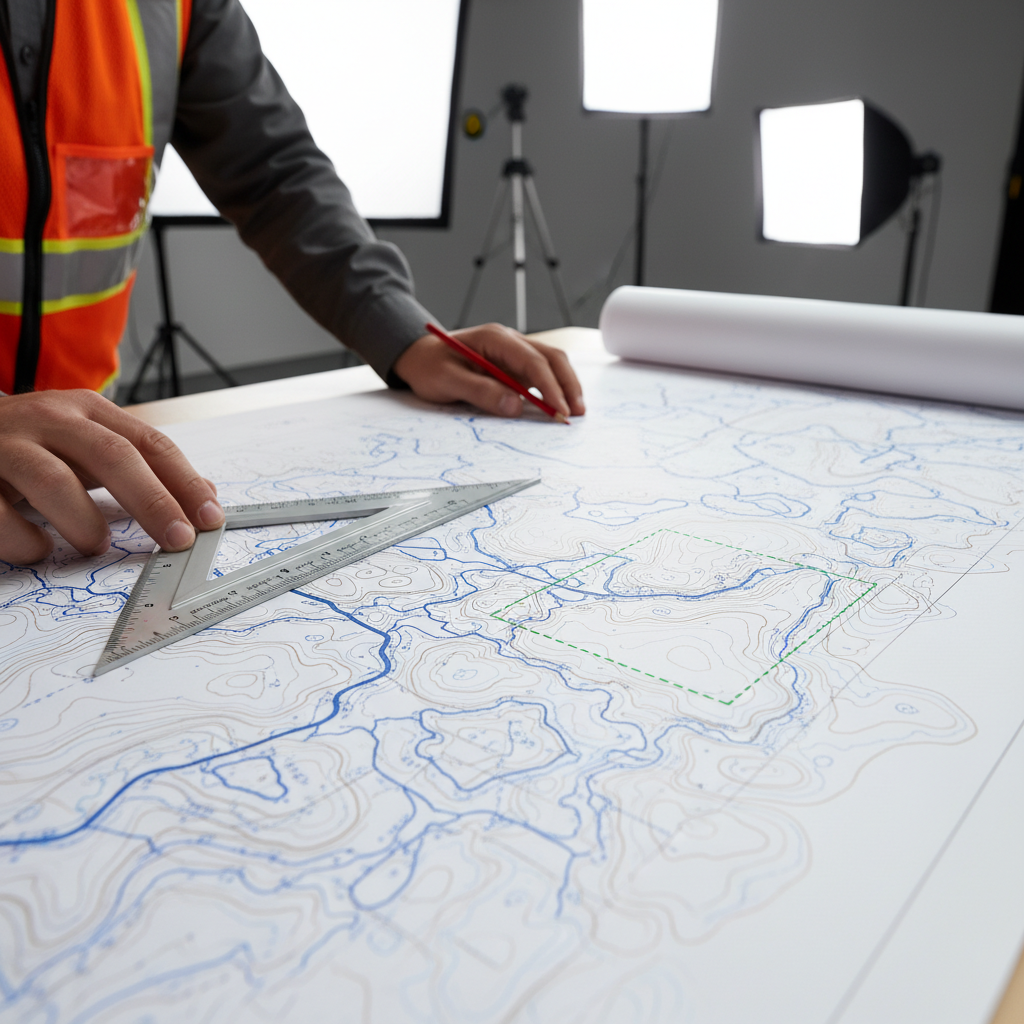
We’ve found owners save weeks when they coordinate utility confirmations, driveway geometry, and detention sizing during concept design instead of after the first permit cycle. This aligns directly with our urban planning workflow, which front-loads circulation safety and site context.
Delivery methods and approaches
Choose a delivery method that fits risk, speed, and collaboration. Design-bid-build separates design and construction, design-build unifies them for speed, and CM at Risk adds early preconstruction partnership with defined risk-sharing.
| Method | When it fits | Strengths | Watch-outs |
|---|---|---|---|
| Design-Bid-Build | Clear, stable scope | Market pricing, defined roles | Longer handoffs, fewer early constructability checks |
| Design-Build | Speed and single-point accountability | Fast-track, fewer redesign loops | Owner must define performance criteria well |
| CM at Risk (CMAR) | Complex sites or uncertain conditions | Precon partnership, open-book pricing, early trades input | Requires disciplined CM preconstruction to realize benefits |
In our experience, fuel and C-store projects benefit from design-build or CMAR because fuel-system coordination, canopy structure, and life-safety details tighten quickly when constructors contribute during design. For retail pads or simple shells, design-bid-build can work if the scope is locked early.
Best practices to avoid delays
Front-load clarity. Lock site data, align agencies early, and coordinate drawings tightly. Use milestone checklists, constructability reviews, and permit trackers so approvals, procurement, and mobilization stay synchronized without idle time or scope churn.
- Milestone gates: don’t advance to permitting without current survey, geotech, and utility confirmations.
- Drainage first: size detention/outfalls during concept design to prevent civil redesign later.
- Traffic and access: confirm driveway spacing, turning radii, and delivery truck paths with design vehicles.
- Fuel system integration: coordinate UST setbacks, canopy clearances, hazardous zones, and emergency shutoffs.
- Permit tracker: maintain a single source of truth for submittals, comments, and resubmittals.
- Procurement staging: queue long-lead items before grading completes; timely steel and rebar logistics reduce idle time—see this perspective on rebar delivery timing.
- Safety planning: integrate site safety into mobilization; practical field guidance on construction site safety underscores daily readiness.
Best practices also include aligning construction and operations. For example, back-of-house layouts, trash enclosures, and tanker truck paths should be validated with the operating team. That collaboration is baked into our commercial construction process and our retail build-out playbooks.
Tools, templates, and resources
Standardize the front end with checklists, submittal trackers, and coordination logs. Use digital plan rooms, shared schedules, and annotated review workflows to eliminate ambiguity and shorten agency comment cycles.
- Site screening checklist capturing zoning, utilities, drainage, and access constraints.
- Permit matrix mapping submittals, prerequisites, review timelines, and inspection triggers—see a helpful overview of project planning phases.
- Constructability review log to catch coordination conflicts before pricing or GMP.
- Environmental checklist for stormwater, USTs, and any special studies.
- Owner’s operational checklist for circulation safety and back-of-house needs.
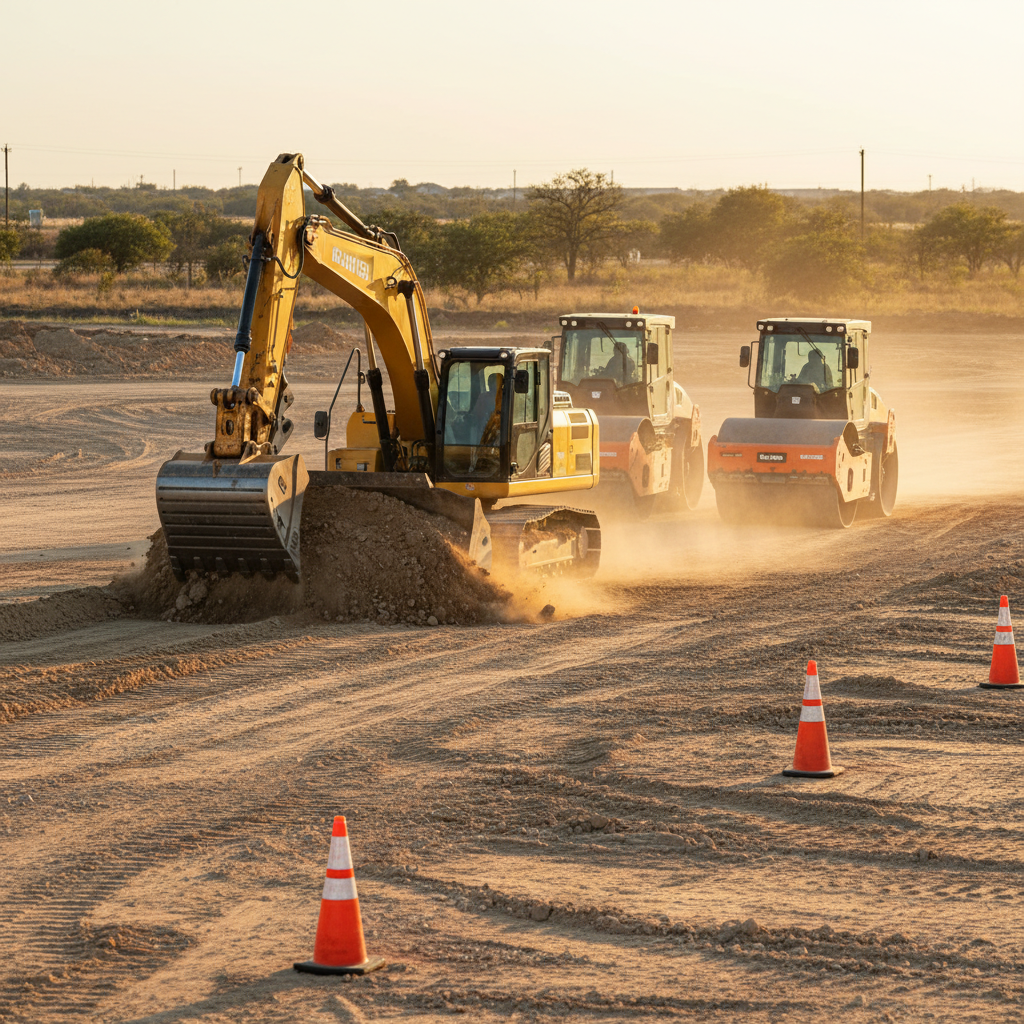
We package these tools in our construction management workflow and support them with scoped site work through our site preparation & excavation team so precon plans translate cleanly to field execution.
Texas examples and mini case studies
Across Texas, the same planning patterns drive on-time openings: early due diligence, agency pre-meetings, and coordinated drawings. These brief scenarios show how aligning site data and permits up front prevents redesigns and keeps ground-up work flowing.
- Galveston fuel + C-store: Early drainage modeling and UST siting avoided a mid-review rescope; coordinated civil and architectural packages moved through review in one cycle.
- Beaumont retail pad: Utility capacity checks led to a service upgrade request submitted with the initial civil set, preventing a second round of comments.
- Austin infill: Pre-application meetings clarified driveway spacing conditions; geometry was fixed before 60% design, eliminating rework in later submittals.
- College Station shell: Geotech results informed slab design early, shrinking RFI volume during foundations.
- Sugar Land corner lot: Traffic screening and turning templates confirmed fuel tanker paths, avoiding field changes.
These examples follow the same throughline: define the program, validate constraints, integrate design, and submit a coordinated set. That’s how we approach both residential construction and commercial build-outs—different uses, same disciplined front end.
Talk to a planner (soft CTA)
If you’re weighing sites or wrestling with permits, a 15-minute alignment call can save weeks later. We’ll map your goals, surface likely gate checks, and outline a clean submittal path. Start with our planning & design team in Galveston.
Frequently Asked Questions
Here are concise answers to the questions we hear most during Texas planning and development for fuel, retail, and residential projects.
What happens first in planning and development?
Start with goals and site screening: access, zoning, utilities, drainage, and adjacent uses. Then complete survey and geotech, align with agencies in a pre-application meeting, and move into concept design based on verified constraints and operational needs.
Which permits are typically required in Texas?
Most projects require zoning/land-use confirmation, civil and utility permits, a building permit, and right-of-way approvals for driveways. Sites disturbing an acre or more usually need stormwater coverage. Fuel projects also require UST-related reviews and life-safety coordination.
How do delivery methods affect timelines?
Design-build can accelerate schedules by integrating design and construction. CM at Risk adds preconstruction partnership and cost control for complex sites. Design-bid-build may take longer but suits stable, well-defined scopes.
When should I engage a contractor?
Engage during feasibility or early concept design. Early involvement surfaces utility, drainage, and constructability issues before drawings are locked, reducing redesign and keeping permits moving.
Key takeaways
If you plan thoroughly, you build once. Verify constraints, align agencies, and coordinate drawings. The payoff is construction that starts once, flows steadily, and opens on time.
- Most delays originate before mobilization in preconstruction gaps.
- Stormwater coverage and UST compliance are frequent gating steps.
- Pick a delivery method that matches your risk and speed needs.
- Use checklists, trackers, and staged procurement to maintain momentum.
- Front-load safety and operations to avoid field changes later.
Conclusion and next steps
Planning and development turns uncertainty into a reliable build plan. Tip Top Builders coordinates Texas due diligence, permitting, and design so field work proceeds without surprises. Bring us in early and we’ll help you eliminate delays before they exist.
Ready to move from idea to breaking ground? We’ll align on goals, confirm the site, map approvals, and assemble a buildable set. Explore our planning & design and site preparation services to get started.