
Architecture & design services are the coordinated activities that turn a project idea into build-ready plans with permits and specifications. In Galveston, Tip Top Builders uses integrated planning, code-compliant drawings, and constructability reviews to streamline gas station, commercial, and residential builds. The result is fewer surprises, faster approvals, and safer construction.
By Aftab Ali, Manager at Tip Top Builders
Last updated: May 24, 2026
Overview and table of contents
Use this guide to plan smarter builds in Texas. You’ll learn what architecture and design services include, why they matter for fuel retail and real estate, how our Galveston-based team delivers them, and the best methods to reduce delays. A practical table of contents helps you jump to what you need.
Tip Top Builders supports owners statewide—from site selection through final handover. Below is a fast overview and a clickable table of contents to help you navigate.
- What are architecture & design services?
- Why these services matter in Texas
- How our process works
- Delivery methods and approaches
- Best practices for fuel, retail, and residential
- Tools and resources
- Case studies and examples
- FAQ
- Key takeaways & next steps
- Related reading for Texas projects
Local considerations for Galveston
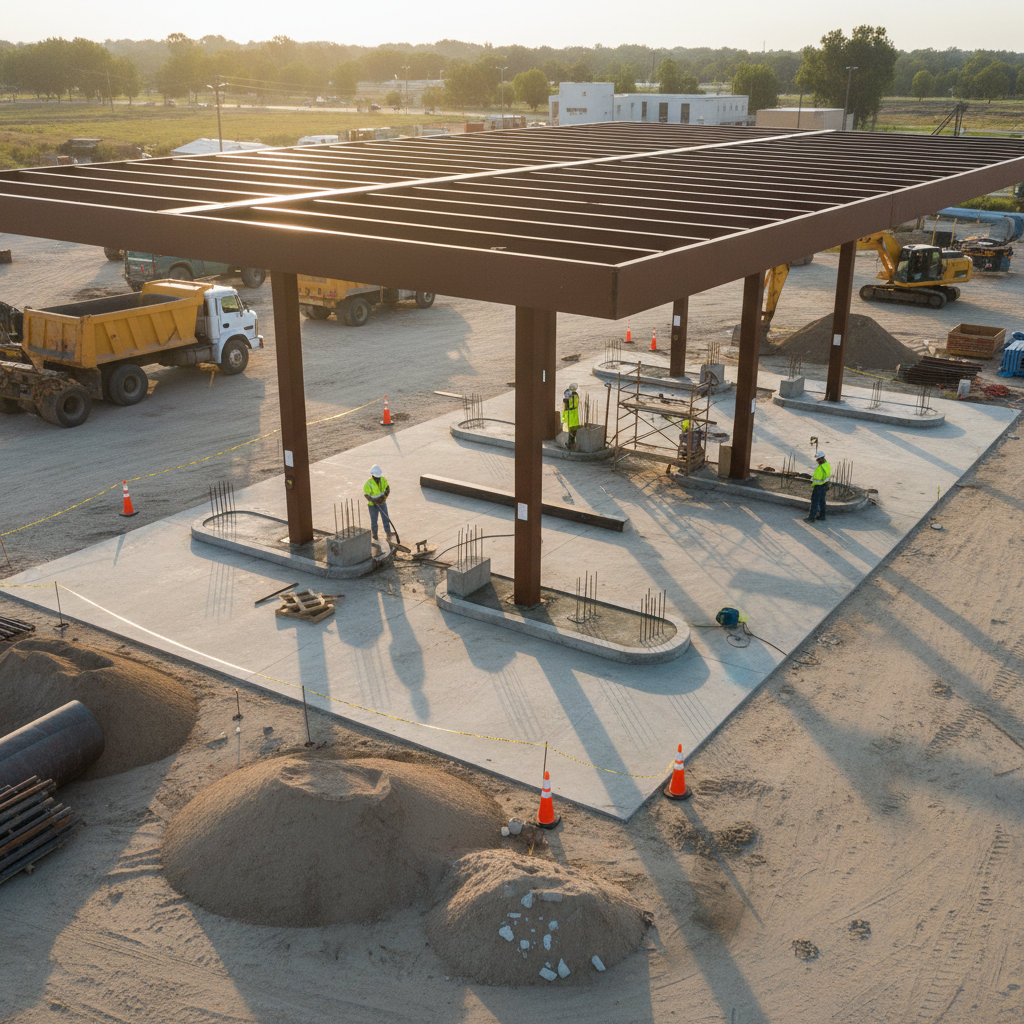
- Coastal durability: Specify corrosion-resistant assemblies and protective coatings; salt air accelerates wear on canopy steel, fasteners, and exterior fixtures.
- Seasonal scheduling: Plan groundworks and concrete pours around heavy-rain and hurricane windows; sequence critical path items before peak storm periods.
- Permitting cadence: Coordinate early with local reviewers on fuel systems, drainage, and elevations; front-loading submittals reduces resubmittal cycles.
What are architecture & design services?
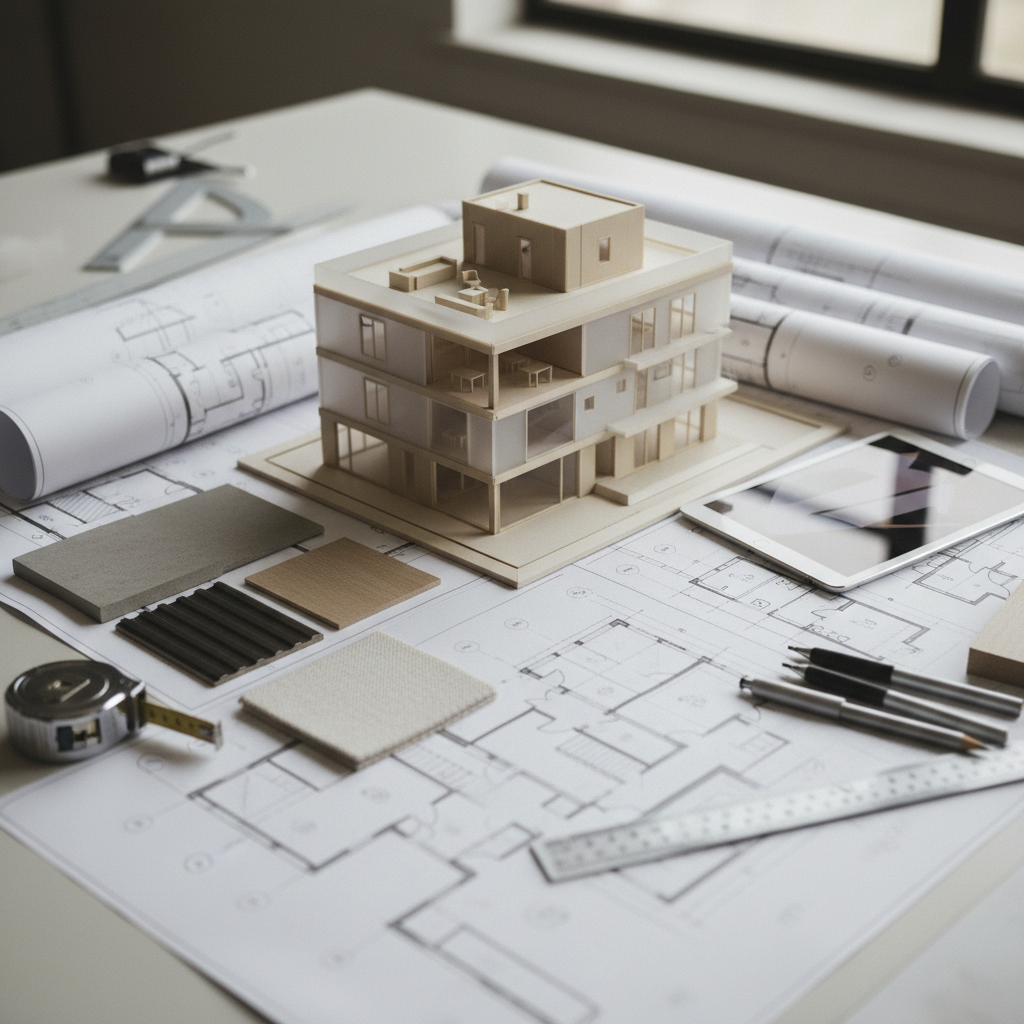
Architecture and design services translate your program, codes, and site conditions into coordinated drawings and specifications for permitting and construction. For Tip Top Builders clients, this includes planning, code analysis, fuel-system integration, and constructability reviews that cut rework and accelerate approvals.
In practice, these services cover the full preconstruction spectrum. We shape a concept into stamped documents the field can trust and inspectors can approve.
Core components owners rely on
- Programming and planning: Clarify goals, adjacencies, and operational needs for gas stations, retail, and homes.
- Code and zoning review: Align setbacks, parking, canopy clearances, and use classifications with local requirements.
- Site and civil coordination: Grading, drainage, utilities, and access—vital for C-stores and high-turn traffic.
- Architectural drawings: Floor plans, elevations, sections, and details; typical permit sets range from a dozen to several dozen sheets depending on scope.
- Fuel retail integration: Dispenser islands, canopy structure, UST/AST footprints, venting paths, and spill containment interfaces.
- MEP engineering alignment: Power for dispensers and walk-ins, lighting layouts, HVAC sizing, and plumbing runs.
For specialty fuel retail, misaligned documents often cause field RFIs and change cycles. Our Galveston team solves that with front-loaded coordination and realistic phasing.
Explore how our front-end work connects to field readiness on our Planning & Design service page.
Why architecture & design matter in Texas
Strong design drives schedule certainty, safer builds, and long-term performance. In Texas, aligning permits, fuel systems, drainage, and structural loads early reduces resubmittals, avoids utility conflicts, and shortens inspections—key for gas stations, retail, and residential projects.
Owners often feel delay risk from three areas: unclear scope, fragmented documents, and late authority comments. The right design process reduces all three.
Benefits you can measure on day one
- Fewer resubmittals: Coordinated drawings answer common reviewer questions up front.
- Safer mobilization: Clear details limit improvisation and field rework during critical path work.
- Predictable inspections: Inspectors move faster when submittals match plans and specs.
- Operational ROI: Thoughtful layouts shorten customer paths, improve visibility, and increase throughput.
Urban planning influences many of these outcomes. See how we knit land use and transportation into early decisions on our Urban Planning overview.
How architecture & design works at Tip Top Builders
Our process is end-to-end: discover, design, coordinate, permit, and mobilize. We connect planning and architecture with site, fuel, MEP, and construction management so your project moves from concept to groundbreaking without gaps.
From our Galveston base, we’ve guided fuel retail, commercial, and residential builds across Beaumont, Port Neches, Nederland, Caldwell, College Station, Austin, Sugar Land, and Port Arthur. The framework below keeps projects moving.
The Tip Top Builders delivery framework
- Discovery and due diligence: Site selection support, feasibility checks, and early code reads.
- Concept and schematic design: Test massing, adjacencies, parking counts, and canopy spans.
- Design development: Lock dimensions, assemblies, and typical details; coordinate fuel-system footprints.
- Construction documents: Produce a fully coordinated set for permit and procurement.
- Permitting and AHJ coordination: Manage submittals, answer comments, and align inspections.
- Mobilization handoff: Transition to field with pre-task plans, phasing, and shop-drawing alignment.
As designs advance, we map site work, utilities, and phasing with our field teams. See how design hand-offs translate to ground truth in Site Preparation & Excavation.
Delivery methods and approaches
Choose delivery to match risk, speed, and collaboration. Design–Bid–Build gives price separation, Design–Build speeds coordination, and CM at-Risk balances cost control with early contractor input. The best choice depends on complexity, schedule, and how much preconstruction support you want.
Owners ask which method protects schedule and scope best. Here’s a simple comparison to decide faster.
| Method | Speed | Cost Control | Coordination | Best For |
|---|---|---|---|---|
| Design–Bid–Build | Moderate | High (competitive bids) | Sequential hand-offs | Clear scope, low complexity |
| Design–Build | Fast | Aligned with builder | Single coordinated team | Fuel retail, time-sensitive retail |
| CM at-Risk (CMAR) | Fast–Moderate | Guaranteed max with transparency | Early contractor input | Complex sites or phasing |
Explore deeper delivery tradeoffs in our notes on engineering procurement & construction management and our overview of CMAR vs. Design–Build.
Best practices for fuel, retail, and residential
Front-load coordination, document clearly, and phase work for weather and inspections. For fuel retail, align canopy spans, dispenser islands, drainage, and UST footprints early. For retail and homes, prioritize access, visibility, and durable finishes that stand up to Texas climate.
Fuel and C-store design principles
- Throughput first: Clear approach and exit paths around islands; wide turning radii for delivery trucks.
- Durable canopies: Coastal-rated steel, corrosion-resistant fasteners, sealed penetrations.
- Drainage and grades: Positive slope away from dispensers; accessible routes maintained.
- Lighting and visibility: Even, glare-controlled lighting for safety, cameras with clear sightlines.
- Inside layout: Short paths to high-margin items; refrigerated cases near power runs to reduce penetrations.
Commercial retail insights
- Façade coordination: Modern elevations with practical maintenance zones and access panels.
- Tenant flexibility: Plan chase locations and demising lines for future build-outs.
- Loading and trash: Shield views without compromising truck access or fire lanes.
Residential considerations
- Envelope first: Air sealing and durable cladding; coastal wind-load coordination where relevant.
- Mechanical zoning: Size HVAC for humidity control and comfort.
- Space planning: Daylight, storage, and noise mitigation for real living patterns.
For more residential details, see our Residential Construction services.
Tools and resources
We pair practical field wisdom with digital coordination. From BIM modeling and plan review checklists to permitting trackers and safety pre-task plans, our toolset helps teams reduce RFIs and align submittals with approved drawings.
What we use to keep teams aligned
- Design coordination: Model-based clash checks for canopy, UST, and MEP runs; disciplined layer standards.
- Permit trackers: Submittal logs with comment closure dates to prevent resubmittal drift.
- Field packages: Phasing diagrams, cut sheets, and pre-task plans bundled by milestone.
- Quality checklists: Door schedules, finish legends, and equipment clearances verified before issue.
For an industry-level perspective on build sequencing and trade coordination, this electrical construction guide offers useful context on plan integration.
Free planning review: If you have a site in Texas, we’ll review your schematic layout for constructability and permitting readiness—no obligation. We’ll flag risks and sequence ideas you can act on immediately.
Contact Tip Top Builders to book a 20-minute consult.
Case studies and examples
From Galveston to Austin, our team delivers fuel, retail, and residential projects by unifying design with construction management. These examples show how early coordination cut resubmittals, improved access and visibility, and accelerated inspections statewide.
Fuel retail in Southeast Texas
- Port Neches/Nederland corridor: Optimized canopy spans and dispenser alignment improved vehicle flow and sightlines.
- Beaumont upgrades: Reoriented deliveries reduced truck conflicts with customer egress during peak hours.
Central Texas commercial sites
- College Station/Austin: Site plans prioritized drainage, accessible routes, and efficient parking counts for fast approvals.
- Sugar Land retail: Modern elevations balanced brand presence with long-term maintenance access.
See selected work on our Projects page and learn more about how we integrate owner vision with execution in this behind-the-scenes write-up on bringing your vision to life.
Frequently asked questions (FAQ)
Owners ask about timelines, permits, delivery methods, and how design choices affect construction. These quick answers cover the most common questions we receive in Texas fuel, retail, and residential projects.
What do architecture & design services include for a gas station?
Programming, site planning, canopy and dispenser layouts, UST/AST coordination, drainage, code checks, and coordinated architectural/MEP drawings. We also align permitting, inspections, and construction hand-off, so field crews mobilize with fewer RFIs.
Which delivery method is best—Design–Bid–Build, Design–Build, or CMAR?
Design–Build is often fastest with one coordinated team. CMAR adds transparency and early contractor input for complex sites. Design–Bid–Build works well for defined scopes where competitive pricing is the main goal.
How early should permitting start in Texas?
Begin code reviews during schematic design and prepare permit packages as design development concludes. Early conversations with reviewers reduce resubmittals and streamline inspections after mobilization.
How does architecture hand off to construction management?
We package phasing diagrams, approved submittals, and pre-task plans with the final set. This ensures crews follow the same details inspectors expect, minimizing delays during critical path work.
Key takeaways & next steps
Great design is a force multiplier. Coordinate early, document clearly, and pick the right delivery path to protect schedule, safety, and long-term performance. When architecture and construction act as one team, owners see faster openings and fewer surprises.
- Front-load coordination of canopy, UST, drainage, and MEP to cut RFIs.
- Pick a delivery method that matches your project’s risk and speed goals.
- Use permit trackers and close comments on schedule to avoid drift.
- Phase work around Texas weather and inspection cadences.
Ready to move from concept to mobilization? Start with our Planning & Design overview, then connect the dots with Site Preparation & Excavation.
Related reading for Texas projects
Deepen your planning with service pages and articles that connect strategy to execution—planning, urban context, residential practices, and project case snapshots. Each resource helps you act on the guidance in this guide.
Context and strategy: review our approach to turning vision into reality and how urban planning choices shape design on Urban Planning. If you’re evaluating alternatives for delivery, compare options in CMAR vs. Design–Build.