
Planning and design is the structured process of defining goals, constraints, approvals, and solutions before any shovel hits the ground. Done right, it reduces change orders, compresses timelines, and safeguards quality. In Galveston, Texas, Tip Top Builders applies this discipline across fuel retail, commercial, and residential projects to keep schedules predictable and outcomes reliable.
By Aftab Ali — Manager, Tip Top Builders
Last updated: 2026-05-14
Start Here: Above-the-Fold Overview & TOC
This guide shows how planning and design streamlines Texas construction from site selection to handover. You’ll learn the key phases, delivery methods, best practices, and tools we use at Tip Top Builders to cut delays and stay on track—especially for gas stations, retail, and homes across Galveston and greater Texas.
Use this quick overview to jump to what you need now.
- What is planning and design?
- Why planning and design matters
- How planning and design works (step-by-step)
- Project delivery methods (DBB vs DB vs CMAR)
- Best practices we follow
- Tools and resources
- Mini case studies
- Frequently Asked Questions
Quick Summary
Effective planning and design clarifies scope, secures permits, aligns stakeholders, and de-risks construction. The result is fewer surprises, better quality, and a safer build. Our Texas-focused approach integrates permitting, environmental checks, and constructible design to deliver consistent outcomes for gas stations, retail, and residential projects.
At Tip Top Builders, we combine site selection support, permitting guidance, architectural coordination, and construction management to deliver land-to-opening projects across Texas—anchored by safety, sustainability, and compliance.
What Is Planning and Design?
Planning and design in construction is the upfront process of translating a vision into buildable drawings and a permitted path to execution. It defines objectives, codes, constraints, budget parameters, and schedules to ensure the project can be built safely, compliantly, and efficiently.
In our work across Galveston and Texas, planning and design ties strategy to constructability. It’s where goals, zoning, and environmental realities become a cohesive plan with drawings, specifications, and a stepwise preconstruction roadmap.
Core elements you should expect
- Program definition: Business goals, square footage, parking counts, fueling positions, retail adjacencies, and operational needs.
- Feasibility and zoning: High-level fit, setbacks, use allowances, height limits, signage, access, and traffic circulation.
- Environmental considerations: Soils, drainage, stormwater, and fuel-system siting; early coordination to streamline approvals.
- Design development: Site plan, floor plans, elevations, MEP approach, and constructibility reviews to reduce rework later.
- Permitting path: Clear plan for submissions, agency coordination, and sequencing to avoid bottlenecks.
For a deeper dive into our preconstruction scope, visit our planning & design services page where we outline deliverables and decision points we manage end-to-end.
Why Planning and Design Matters
Strong planning and design reduces change orders, accelerates approvals, and protects margins. It aligns stakeholders early, surfaces constraints before they derail work, and ensures safety and code compliance—especially crucial for fuel systems, retail traffic, and residential comfort.
Here’s the thing: most construction surprises trace back to unclear scope or late design coordination. When we front-load clarity—program, code path, utilities, and site logistics—projects move faster with fewer downstream disruptions in Texas jurisdictions.
Benefits that show up on the jobsite
- Predictable schedules: Clear sequences lower idle time and resequencing during inspections.
- Coordinated trades: Fewer conflicts between structure, fuel systems, MEP, and finish standards.
- Safer operations: Hazard planning, traffic control, and fuel-system protocols baked in from day one.
- Regulatory confidence: Submittals line up with local code expectations and agency preferences.
- Transparent decision-making: Stakeholders see trade-offs early and choose the best path.
We connect these dots through integrated construction management, so owners have a single accountable partner from planning to handover.
How Planning and Design Works (Step-by-Step)
Our Texas-tested process moves from site due diligence to permitted drawings, then into preconstruction and mobilization. Each step locks in decisions, reduces risk, and readies the project for a clean start—especially for gas stations and retail where sequencing is critical.
Below is the simplified flow we use with developers, operators, and homeowners throughout Galveston and across Texas.
Step 1: Site selection and due diligence
- Evaluate access, traffic patterns, utilities, and zoning fit; flag constraints early.
- Review environmental conditions (drainage, soils) and adjacency impacts.
- Align with business program: pump count, store size, bay layouts, or home footprint.
Step 2: Concept planning and feasibility
- Block-and-stack site plans; test parking, circulation, and setbacks.
- Outline preliminary structure and MEP strategies fit for Texas climate.
- Identify permitting path and submittal sequencing to avoid churn.
Step 3: Design development
- Advance floor plans, elevations, and civil sheets; coordinate fuel-system or retail vendor specs.
- Run constructability checks to reduce future RFI volume.
- Confirm finish standards that balance durability and brand.
Step 4: Permitting and approvals
- Assemble submission-ready packages aligned to local review expectations.
- Coordinate comments, resubmittals, and agency clarifications.
- Secure approvals before mobilization; align inspection milestones.
Step 5: Preconstruction and mobilization
- Finalize schedule logic, procurement, and long-lead tracking.
- Set site logistics plan: laydown, safety zones, fueling-system exclusion areas.
- Kick off with trades using the latest, coordinated documents.
For earthwork details that make or break the schedule, see our site preparation & excavation overview.
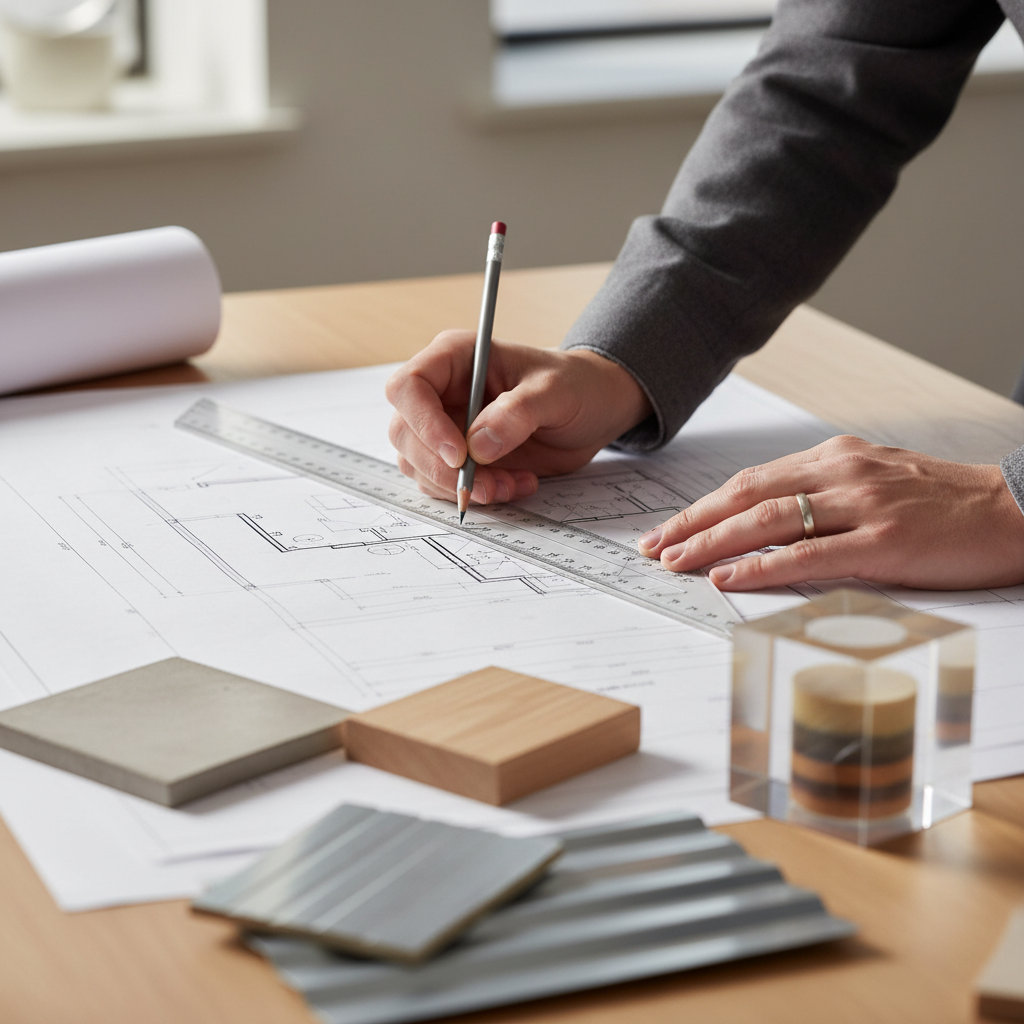
Project Delivery Methods: DBB vs DB vs CMAR
Choosing the right delivery method aligns risk, speed, and design control. Design–Bid–Build offers clear checks and balances. Design–Build compresses timelines with single-point accountability. CM at Risk blends collaboration with guaranteed parameters. We help owners select the model that fits their goals, risk tolerance, and timeline.
Each method can be effective if paired with disciplined planning and design. Here’s a quick, at-a-glance comparison.
| Method | Speed | Change-Order Risk | Design Control | Best For |
|---|---|---|---|---|
| Design–Bid–Build (DBB) | Moderate | Moderate–Higher (handoffs) | High (owner/architect lead) | Public work, clear scopes, tight checks |
| Design–Build (DB) | Faster (overlap phases) | Lower (single team) | Moderate (shared control) | Speed-to-market retail and C-stores |
| CM at Risk (CMAR) | Fast–Moderate (early CM input) | Lower–Moderate (precon clarity) | High (collaborative) | Complex sites, phasing, higher coordination |
For retail shells, fuel stations, and mixed-use, we frequently recommend a Design–Build or CMAR approach to compress schedules while preserving quality. For interior build-outs or residential work, DBB can still be ideal where the scope is fully defined and risk is low.
To see how these choices play out on the ground, visit our commercial construction page for examples of retail and mixed-use decisions we’ve guided in Texas.
Planning & Design Best Practices We Follow
Our best practices focus on clarity, constructability, and compliance. We document decisions, coordinate early with authorities, front-load safety and environmental planning, and validate details with field-experienced superintendents—so drawings reflect how the project will actually be built.
Clarity that prevents rework
- Decision logs and RACI: Track who owns what, and by when, so choices don’t stall progress.
- Constraints register: Zoning, utilities, adjacencies, and vendor lead times listed in one view.
- One source of truth: Document control with versioning prevents building from old sets.
Constructability from day one
- Field reviews: Superintendents review details that often trigger RFIs—slab edges, penetrations, canopies, and tank pads.
- Sequencing logic: We align drawings with the build sequence for smoother inspections.
- Access and laydown: The site plan shows real truck paths, crane swings, and safety zones.
Safety, sustainability, and compliance
- Safety baked in: Traffic management, fuel-system exclusion areas, and utility locates memorialized in plans.
- Durable, efficient specs: Materials and systems chosen for Texas heat, wind, and coastal exposures where relevant.
- Agency coordination: Early touchpoints keep permitting cycles brisk and predictable.
Explore how upstream planning integrates with our downstream controls on the construction management side.
Tools and Resources That Keep Projects Moving
We rely on a practical toolset: checklists, decision logs, constraint registers, and preconstruction dashboards. Combined with agency coordination and vendor alignment, these tools shorten feedback loops and keep information accurate for the crews who build.
Owner-operator friendly tools
- Permit tracker: Simple stage gates with dates, comments, and approvals.
- Long-lead matrix: Highlights items that control the critical path (e.g., canopies, dispensers, panels).
- Constructability checklists: Repeatable reviews focused on details that cause delays if missed.
For business planning fundamentals that support scope clarity, Shopify offers accessible primers that help owners articulate goals and operating assumptions before design begins.
On building systems, a structural steel framing guide from industry publishers can help orient choices between steel options and spans during early planning conversations.
For procurement structure, see procurement planning steps that mirror how we organize long-lead decisions and supplier onboarding during preconstruction.
Curious how these tools show up in full-scope delivery? Our project approach overview walks through how we keep momentum from first call to opening day.
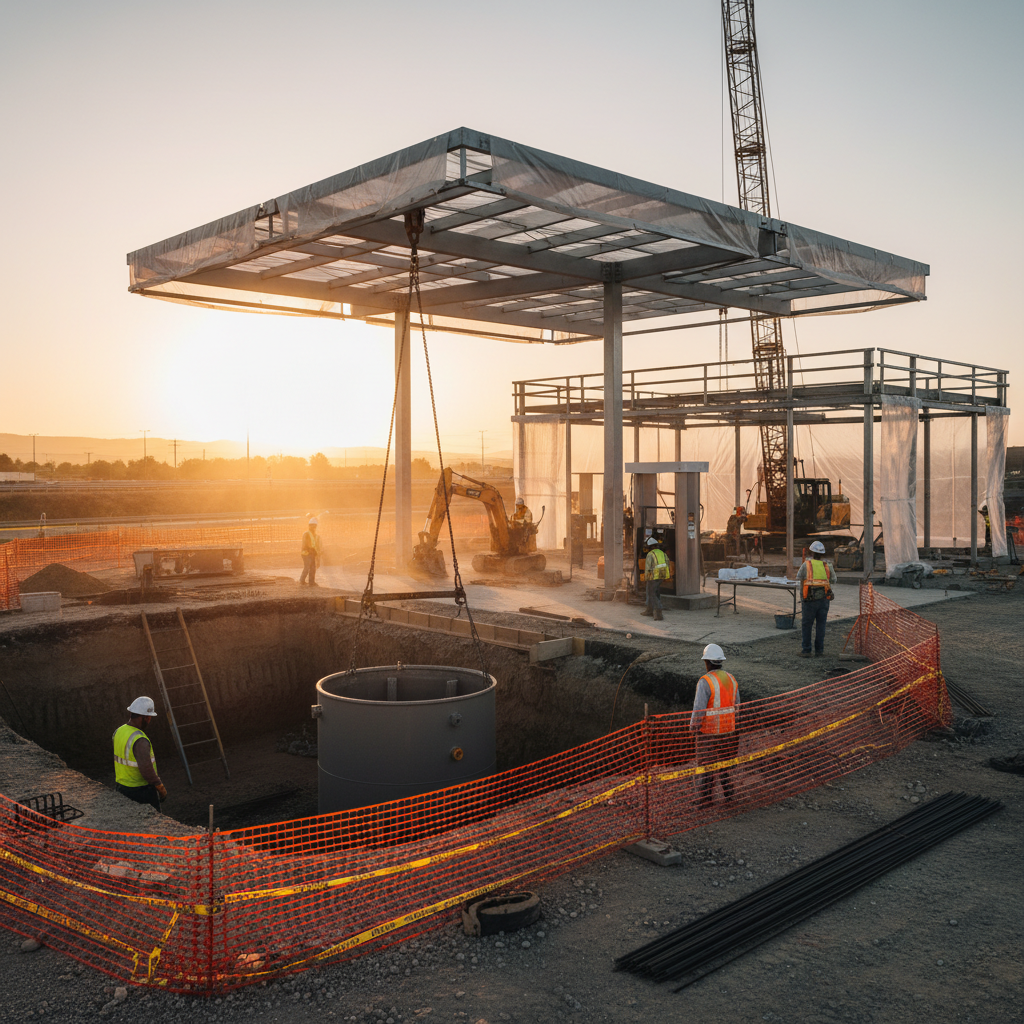
Mini Case Studies: Texas Scenarios
These brief scenarios show how upfront planning and design decisions shape outcomes. Names and details are generalized, but the constraints and solutions mirror real Texas conditions across fuel retail, commercial shells, and residential builds.
Fuel retail on a constrained corner lot
A Galveston-area operator needed four fueling positions, safe traffic flow, and quick approvals. Early planning found a better ingress/egress pattern and a canopy layout that preserved setbacks. Coordinated drawings reduced comments, and mobilization stayed aligned with vendor lead times for dispensers and canopy steel.
Retail shell with phased interiors
On a suburban Texas site, the owner wanted a shell first and tenants later. We recommended Design–Build to compress time-to-shell while protecting interior flexibility. Early MEP planning enabled future split metering and venting without demolition, simplifying tenant improvements months later.
Custom home with coastal exposure
A homeowner near the coast prioritized durability and comfort. Design choices focused on structural connections, moisture control, and energy-smart systems fit for heat and wind. Sequencing plans accounted for weather windows and inspections, helping maintain a predictable path to move-in.
For service-specific capabilities related to each scenario, see our pages on urban planning, commercial construction, and residential construction.
Free planning assessment: If you’re weighing a gas station, retail space, or home build in Texas, we’ll review your goals, timeline, and constraints and outline a clear next-step plan.
Start your assessment and we’ll follow up with a practical roadmap.
Local considerations for Galveston
- Plan sequencing around seasonal weather patterns, including heavy rain and storm windows, to protect critical-path activities like pours and tank placement.
- Choose materials and details for coastal exposures—fasteners, coatings, and moisture control that stand up to heat, salt air, and wind.
- Align early with local reviewers on drainage and access expectations; clear drawings and phased submittals keep reviews on a predictable cadence.
FAQ: Planning and Design for Texas Projects
These concise answers address what owners and operators ask most about planning and design—from timelines to delivery models and what to prepare before you call us. Each one links back to the practical steps we use on Texas projects every week.
What should I prepare before our first planning meeting?
Bring your business goals, target opening window, any site options, and brand standards. Even a rough program—fueling positions, store size, or number of bedrooms—helps us test fit and sequence permitting. Photos, surveys, or previous drawings are helpful but not required to start.
Which delivery method is best: DBB, DB, or CMAR?
It depends on your priorities. If speed and single accountability matter most, Design–Build shines. For complex coordination with strong owner input, CMAR works well. For fully defined scopes and clear checks and balances, DBB is effective. We’ll help you choose based on goals and risk tolerance.
How does planning reduce change orders later?
Early coordination exposes conflicts and ambiguities before construction. When drawings reflect real site logistics, vendor specs, and sequence logic, installers make fewer assumptions. That clarity reduces RFIs and field surprises, keeping the build on a steady path from mobilization to inspections.
Can you assist with permitting and environmental reviews in Texas?
Yes. Our team aligns drawings to local expectations, organizes submittals, coordinates responses, and manages resubmittals. We account for drainage, soils, utilities, and fuel-system requirements in the design phase so approvals and inspections follow a predictable cadence.
Do you support both commercial and residential projects?
We do. From gas stations and retail shells to custom homes, our planning and design process scales to the scope. The same fundamentals—clear program, constructability reviews, and coordinated submittals—produce consistent results across project types.
Conclusion and Next Steps
Planning and design is your leverage point. When scope, drawings, permits, and logistics are aligned early, Texas projects run smoother, safer, and faster. The best results come from disciplined preconstruction paired with the right delivery method for your goals.
Key takeaways
- Upfront clarity reduces downstream changes and protects the schedule.
- Delivery models (DBB, DB, CMAR) work best when matched to priorities.
- Constructability reviews and agency alignment keep momentum steady.
- Simple tools—logs, trackers, matrices—shorten feedback loops.
Ready to move from idea to a coordinated plan? Reach out for a practical assessment. If you’re near Galveston or building anywhere in Texas, we’ll tailor the planning and design path to your site, timeline, and operating goals.
Let’s get started: Book a discovery session for your Texas project through our planning & design page.