
Residential construction is the end-to-end process of planning, designing, permitting, and building homes. It covers site selection, excavation, structural framing, systems installation, inspections, and finishing. In Galveston, this work also accounts for coastal weather, wind ratings, and permitting. With the right team, you get a safe, durable home and a predictable project.
By Aftab Ali — Manager, Tip Top Builders
Last updated: 2026-06-27
Overview: Residential Construction in 2026
Residential construction in 2026 blends proven building fundamentals with smarter planning, resilient materials, and tighter codes. Homeowners should focus on early due diligence, integrated teams, and documentation. When you organize design, permitting, site prep, and build in one coherent plan, schedules hold, quality improves, and risk drops.
Here’s what you’ll learn in this complete guide and how Tip Top Builders supports each step across Texas.
- What residential construction includes, from land to handover
- How planning, permits, and inspections protect your build
- Methods, materials, and delivery models that fit your goals
- Best practices to keep quality high and delays low
- Tools, checklists, and real Texas project examples
Local considerations for Galveston
- Account for coastal wind design and moisture control in envelopes and roofing, and plan for resilient cladding and fasteners.
- Sequence permitting and inspections with weather windows; heavy rain and tropical systems can affect site access and curing.
- Coordinate utilities and site preparation early; sandy soils and a high water table influence excavation and foundation choices.
What Is Residential Construction?
Residential construction is the professional delivery of new homes and major remodels, spanning planning, design, permitting, site preparation, building, inspections, and handover. It aligns architecture, engineering, trades, and project controls to produce safe, code-compliant, energy‑efficient housing on a predictable schedule.
At Tip Top Builders, residential projects follow the same discipline we bring to fuel retail and commercial work: front-loaded planning, documented scopes, and accountable construction management. That translates to fewer surprises and clearer milestones for homeowners.
- End-to-end scope: Site selection, environmental due diligence, architecture, structural and MEP design, permits, excavation, foundation, framing, rough‑ins, insulation, drywall, finishes, punch list.
- Controls and safety: Project scheduling, quality benchmarks, and safety management keep crews aligned and sites compliant.
- Regulatory alignment: Zoning, building codes, and inspections ensure structural integrity, life safety, and performance.
Homeowners who pair a clear program with early permitting typically shave weeks off total duration. In our experience, a single source of truth for drawings, RFIs, and submittals reduces rework by double‑digit percentages and keeps inspection outcomes clean the first time.
Why Residential Construction Planning Matters
Strong up‑front planning prevents rework, delays, and scope drift. When design, permitting, and procurement are sequenced intentionally, your home progresses smoothly through site work, structure, systems, and finishes—reducing risk while preserving quality and schedule certainty.
Homebuilding has moving parts—weather, inspections, lead times, and trade availability. The right planning windows, order-of-operations, and contingency buffers keep the project on track even when conditions change.
- Risk reduction: Confirm zoning, easements, and utility capacity before design commitments. Mapping these early avoids downstream redraws and plan reviews.
- Schedule confidence: Align permit submissions with design completion and supplier lead times. Two to three weeks of look‑ahead planning keeps trades productive.
- Quality outcomes: Define material standards, mockups, and inspection hold points. Pre‑close testing (like duct and envelope) prevents callbacks.
- Regulatory clarity: Document required reviews and field inspections so trades are ready with the right assemblies on the right day.
We build this discipline into every Tip Top Builders project through integrated construction management practices and a transparent communication cadence for homeowners.
How Residential Construction Works (Step-by-Step)
Residential construction moves through clear phases: due diligence, design, permits, site prep, structure, systems, enclosure, finishes, inspections, and handover. Each phase sets up the next. Documented scopes, checklists, and milestone sign‑offs keep quality high and surprises low.
Step-by-step process
- Site selection and due diligence: Confirm zoning, setbacks, utilities, flood and wind exposure, and soils. Early discovery avoids redesign. Our planning and development team aligns city expectations before drawings progress.
- Programming and schematic design: Align rooms, adjacencies, storage, and elevations with lifestyle goals. Right‑size spaces and plan for natural light, mechanical zones, and service runs.
- Design development: Lock the structural system, envelope strategy, and key specifications. We coordinate framing schedules, connector systems, and opening sizes to match wind ratings in coastal cities.
- Permit set and approvals: Submit drawings, respond to comments, and secure permits. Coordinated responses shorten review cycles and prevent resubmittals.
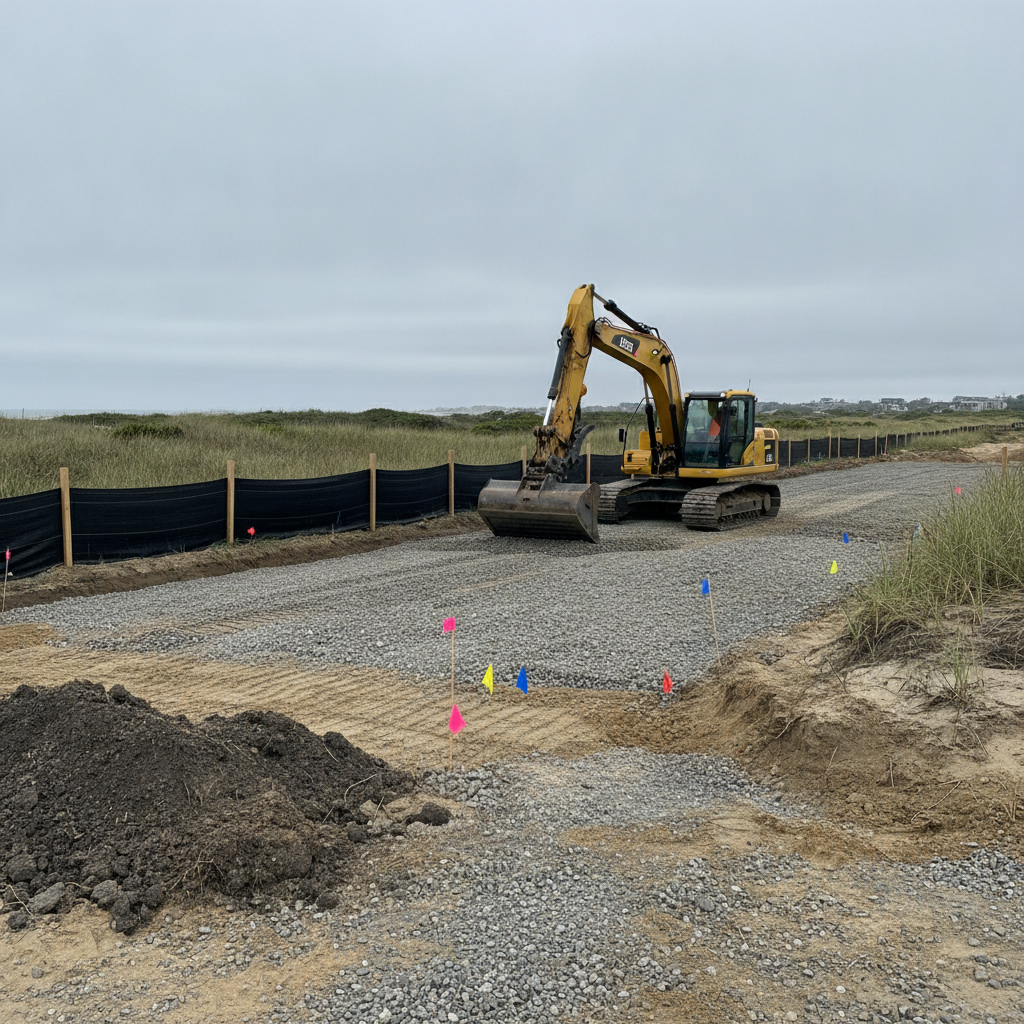
- Site preparation and excavation: Clear, grade, install erosion control, and prepare subgrade. Sandy soils often call for compaction verification and drainage planning.
- Foundation and structure: Place footings and slab, then frame walls and roof and set trusses. Concrete reaches design strength over several weeks; we sequence framing as soon as it’s safe and allowed by inspectors.
- MEP rough‑ins: Route electrical, plumbing, and HVAC; coordinate penetrations; pressure-test lines; and verify panel and equipment locations.
- Enclosure and insulation: Sheathing, weather barrier, windows, roofing, and thermal control provide a dry-in shell that protects interiors.
- Drywall and interiors: Hang, finish, and prime; then install millwork, cabinetry, tile, and flooring with proper acclimatization.
- Finals and commissioning: Final inspections, punch list, owner orientation, and handover package with maintenance schedules.
We maintain a single source of truth—drawings, RFIs, submittals, and inspection records—so homeowners and inspectors know exactly where the project stands at every milestone.
Types, Methods, and Delivery Models
Common delivery paths include design–bid–build, design–build, and construction management. Materials range from conventional wood framing to insulated concrete forms and steel hybrids. The right choice balances speed, resilience, aesthetics, and future maintenance for your climate and site.
Delivery models
- Design–Bid–Build (DBB): Separate designer and builder with competitive bidding. Clear checks and balances and strong documentation.
- Design–Build (DB): Single contract for design and construction. Faster coordination, fewer handoffs, and built‑in value engineering.
- Construction Management (CM): Early contractor input and transparent trade buy‑out. CM as Agent or At‑Risk improves schedule reliability on complex homes.
Structural and envelope options
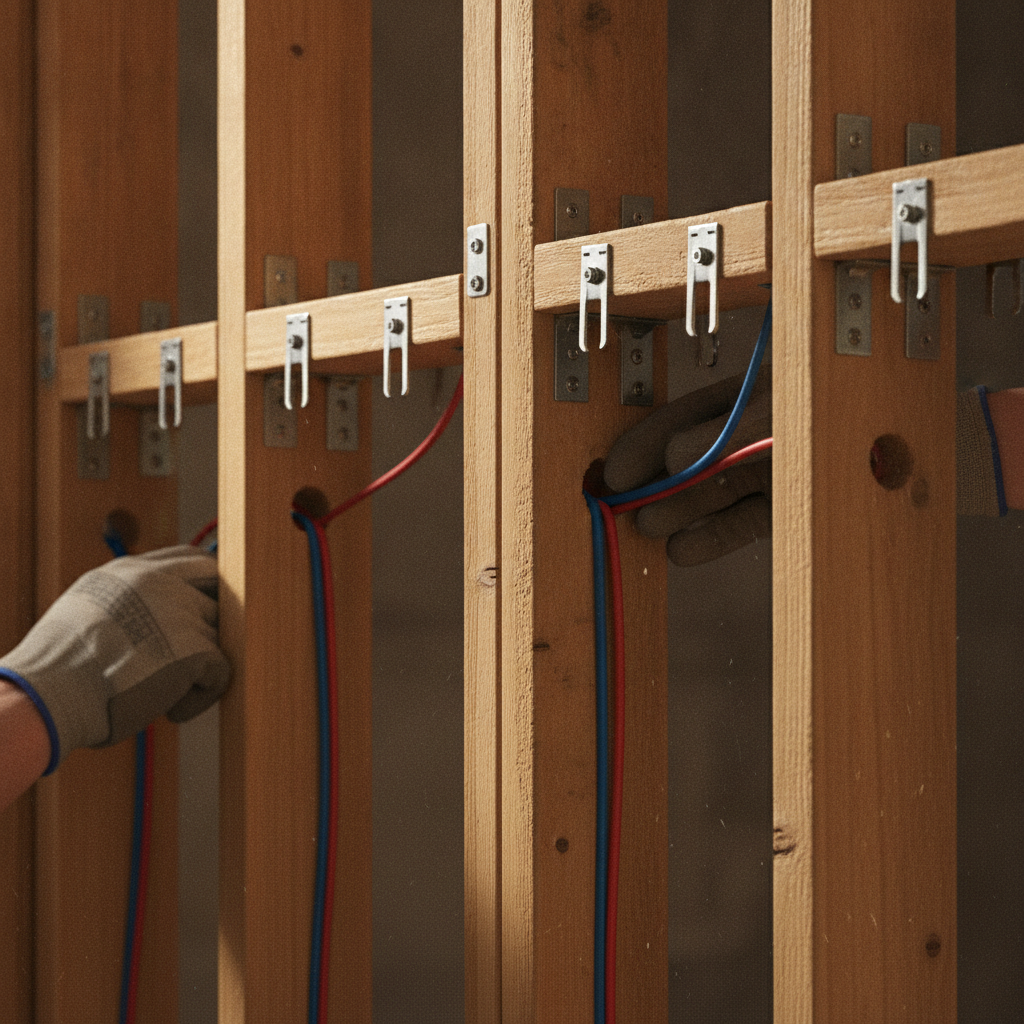
- Conventional wood framing: Flexible layouts, quick cycles, and a deep trade base. Pair with rated connectors and sheathing schedules for coastal wind zones.
- Masonry or insulated concrete forms (ICF): Thermal mass, sound control, and storm resilience. Plan for specialty crews and lead times.
- Steel accents and hybrids: Long spans and modern elevations. Coordinate thermal breaks and moisture details at transitions.
| Model | Speed | Coordination | Owner Control | When to use |
|---|---|---|---|---|
| Design–Bid–Build | Moderate | Moderate | High | Clear scope, competitive trade pricing |
| Design–Build | Fast | High | Moderate | Schedule-driven, cohesive team |
| CM (Agent/At‑Risk) | Fast–Moderate | High | High | Complex builds needing early trade input |
If you prefer a single accountable partner, a turnkey construction path can simplify decisions. Homeowners wanting deeper design exploration can begin with our architecture and design services and shift to construction when ready.
Best Practices for Quality, Safety, and Compliance
Successful projects use documented scopes, preconstruction coordination, and verified inspections. Define material standards, confirm structural connections, and test systems before enclosure. Keep weather, moisture, and wind resilience central in coastal cities like Galveston.
Field-proven practices
- Permitting roadmap: List all approvals and inspection milestones before mobilization. Align drawings and submittals to those hold points.
- Moisture management: Flash windows and doors correctly, tape seams, and install vented roofs. Protect framing from prolonged wetting.
- Load path discipline: Use rated connectors, correct fastener patterns, and specified sheathing schedules to maintain continuous load paths.
- Jobsite safety: Clear access, PPE, trench protection, and daily housekeeping prevent incidents and inspection failures.
- Closeout readiness: Build owner manuals and a maintenance calendar as you go—don’t wait for the last week.
Even small deviations—like skipped tape at sheathing seams or missing hurricane clips—can cascade into rework. We standardize checklists by phase so details don’t slip during busy weeks.
Tools, Checklists, and Resources
Use a centralized project tracker, weekly look‑ahead schedules, and inspection checklists. Pair that with code references, energy guides, and coastal construction resources. Organized documentation prevents rework and makes approvals faster.
- Project tracker: One dashboard for schedules, RFIs, submittals, and inspections keeps the team aligned.
- Look‑ahead planning: Two‑ to three‑week trade coordination prevents idle days and keeps critical paths moving.
- Inspection checklists: Foundation, framing, rough‑in, insulation, and finals—each with photo logs.
- Energy and resilience guides: Use air‑sealing details, duct testing, and wind‑rated assemblies as standard practice.
For additional perspectives on organization and sequencing, you can review an industry scheduling explainer and a broad architecture‑construction primer; both reinforce the value of simple, visual planning tools and consistent documentation. See this scheduling tips overview and this architecture and construction guide for general concepts you can adapt to a custom home workflow. For a residential‑focused overview from another builder, browse this residential construction summary.
Plan your next step with Tip Top Builders
Ready to turn a lot into a home? Our team in Galveston coordinates planning, permitting, site prep, and build under one roof. Start with a quick discovery call and bring your drawings or ideas—we’ll outline a clean path forward.
Explore our construction planning guide or connect about custom home plans.
Case Studies: Texas Homes We Deliver
Real projects show the process in action. With integrated planning, schedule control, and strong trade oversight, we turn raw land into durable, modern homes across Texas—while aligning city approvals, inspections, and owner selections.
Galveston coastal custom
- Challenge: Wind exposure and moisture management on a sandy lot with a high water table.
- Approach: Elevated foundation strategy, continuous air‑water barrier, and wind‑rated roofing and openings with verified fastener schedules.
- Outcome: On‑time approvals and a tight, durable envelope that stands up to coastal weather.
College Station family plan
- Challenge: A growing household needed flexible spaces without extending schedule.
- Approach: Design–build execution, early procurement of long‑lead items, and weekly owner walk‑throughs with decision logs.
- Outcome: Smooth inspections and a punch‑list‑light handover.
Sugar Land infill
- Challenge: Tighter urban lot required careful utility coordination and traffic controls.
- Approach: Detailed staging plans, neighbor communication, and coordinated utility cutovers.
- Outcome: No lost days to access conflicts; deliveries and inspections flowed as planned.
Want a deeper dive into lot readiness before design? Scan our land construction guide for practical prep steps you can apply immediately.
Residential Construction FAQ
Homeowners ask about timelines, permits, inspections, delivery models, and how to prevent delays. The answers below address common decisions and help you keep your project moving.
What is the typical sequence of inspections?
Most jurisdictions check foundation, framing, mechanical/electrical/plumbing rough‑ins, insulation, and finals. Some add sheathing, roofing, or blower‑door tests. We create an inspection map for your city so trades and materials are ready on the right day.
Which delivery model is best for my home?
If speed and coordination matter most, design–build can help. If you want competitive bidding with distinct designer and builder roles, design–bid–build fits. Complex projects benefit from early construction management involvement.
How do weather and seasons affect the schedule?
Rain and coastal systems impact excavation, concrete curing, and access. We plan earthwork and slab placements around favorable windows and use weather‑resilient sequencing to protect framing and finishes.
What documents should I expect at handover?
You’ll receive permits and inspection records, as‑builts or markups, equipment manuals, warranties, and a maintenance calendar. We walk you through system shutoffs, filter changes, and seasonal checks.
Conclusion and Next Steps
A successful home build comes from strong planning, disciplined execution, and clear communication. When design, permitting, sitework, structure, and finishes align, you get a safer, tighter, longer‑lasting home—delivered with fewer surprises.
- Align goals and scope early; map permits and inspections.
- Choose a delivery model that fits schedule and risk tolerance.
- Use checklists and weekly look‑aheads to keep momentum.
- Document everything; close out with a thorough owner packet.
Key takeaways
- Residential construction succeeds when planning, permitting, and trades move in sync.
- Coastal cities like Galveston benefit from upgraded envelopes and verified load paths.
- Choose a delivery model—DBB, DB, or CM—that matches your priorities.
- Keep a single project dashboard so everyone works from current information.
Related Guides and Next Steps
Explore how site preparation, construction management, and planning and design connect to your residential project. Our residential construction approach builds on the same discipline we use for commercial and C‑store work. If you’re evaluating end‑to‑end partners, see our complete construction services and start design exploration through architecture and design. For early phase strategy, our planning and development overview outlines permitting and coordination steps that shorten timelines.