
Residential construction in Texas is the full process of planning, permitting, and building a code-compliant home tailored to Texas wind, flood, heat, and soil conditions. Based in Galveston, Tip Top Builders guides homeowners from site selection to final walkthroughs, coordinating design, inspections, and construction so your schedule stays predictable and your home performs for decades.
By Aftab Ali • Last updated: 2026-06-03
Above the fold: why this guide matters + what you’ll learn
This complete guide shows Texas homeowners how to plan and execute a residential build with clarity. You’ll learn the steps, approvals, design choices, and quality controls that keep projects on schedule while protecting against Texas-specific wind, flood, heat, and soil challenges—so you can move in with confidence.
- What residential construction Texas really involves—beyond floor plans and finishes
- How permits, inspections, and local code amendments shape your timeline
- Design and product choices for wind, flood, and heat resilience
- Step-by-step process from raw land to keys
- How Tip Top Builders in Galveston supports you end-to-end
Quick summary
Texas homebuilding success depends on three levers: a compliant design, an inspection-driven schedule, and early decisions that match your site’s wind, flood, and soil profile. When these align, construction flows smoothly and move-in happens sooner with fewer surprises.
Here’s the big picture at a glance.
- Texas homes face wind along the coast, expansive clays inland, and long, hot summers statewide.
- Coastal counties require windstorm compliance and documentation before final sign-off.
- Floodplain rules can affect finished-floor elevation and drainage details.
- Inspection calendars drive the critical path as much as trade labor does.
- Early geotech, drainage, and utility planning reduces changes later.
Local considerations for Galveston
- Prioritize wind-rated products and a continuous load path from roof to foundation for coastal gusts.
- Plan work windows around summer heat and storm season to pour concrete and set roofing safely.
- Account for floodplain mapping in design elevations, drainage, and utility placement to streamline approvals.
What is residential construction in Texas?
Residential construction in Texas refers to designing, permitting, and building homes that satisfy state codes, local amendments, and site-specific conditions like wind, flood, and expansive soils. It spans preconstruction planning, inspections, and finish work, culminating in a durable, code-compliant handover.
In our experience managing projects from Galveston to Austin, “residential construction Texas” means adapting sound building fundamentals to the climate. Slab-on-grade performs on many sites, but coastal wind, high humidity, and salt air push us toward corrosion-resistant fasteners, sealed envelopes, and rain-screen claddings. Inland clay calls for geotechnical input, capillary breaks, and post-tension foundations to handle seasonal movement.
Tip Top Builders integrates planning and design, site preparation and excavation, and full-scope construction management so you have a single accountable partner. That unified approach brings surveyors, engineers, architects, and trades into one plan, which improves inspection readiness and reduces change-driven delays. For deeper design coordination, see our building design and construction guide.
Why planning matters for Texas homes
Planning aligns codes, inspections, and site realities before ground breaks. In Texas, early decisions that address wind, flood, and soils prevent redesigns later, shorten permit cycles, and streamline inspections—protecting long-term performance and keeping your schedule intact.
We’ve found the most common roadblocks are late surveys, unclear flood data, and mismatched product specs (for example, non-rated windows in windstorm zones). When the preconstruction package is precise—site plan, grading and drainage, utilities, energy documentation, and structural sheets—reviewers respond faster and inspectors sign off with fewer callbacks.
- Wind: roof sheathing nailing patterns, hurricane straps, and impact-rated openings.
- Flood: finished-floor elevation, flood vents where applicable, and backflow prevention.
- Soils: post-tension design, capillary breaks, and controlled moisture around the slab.
- Energy: a sealed attic or high-R roof deck pays off in long, hot summers.
If you’re aligning a custom plan set, our planning and design guide outlines the submittals jurisdictions typically request and how to organize them.
How the Texas homebuilding process works (step-by-step)
The Texas build process moves from due diligence and design through permits, sitework, foundation, framing, MEP rough-ins, insulation, finishes, and final inspections. Aligning trades to inspection milestones keeps the critical path tight and avoids idle days on site.
Step-by-step overview
- Site selection and due diligence: zoning, utilities, geotech, and floodplain verification.
- Planning and design: architectural, structural, energy modeling, and product selections.
- Permitting: submit plans, respond to comments, secure specialty approvals.
- Site preparation: clearing, grading, temporary power, and erosion controls.
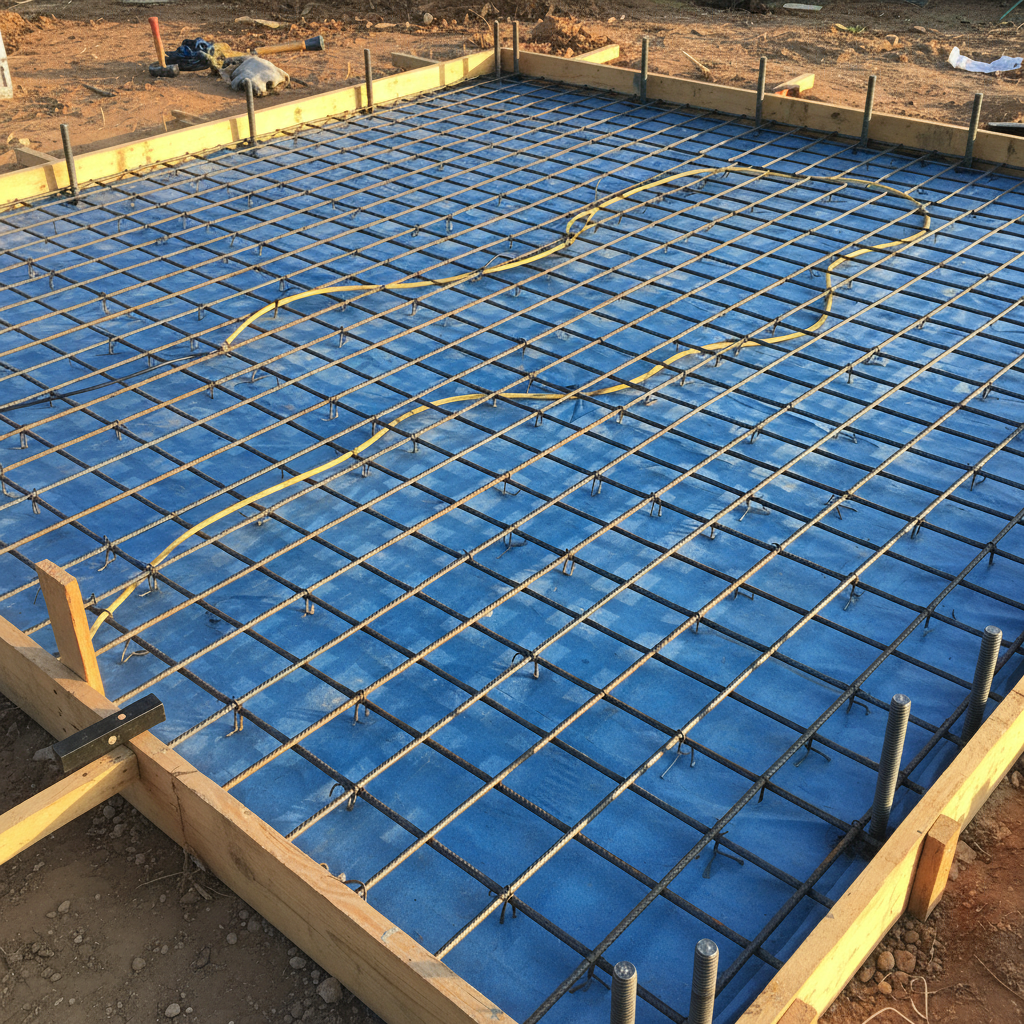
- Foundation: forms, plumbing rough, reinforcement, post-tension cables, pour, cure.
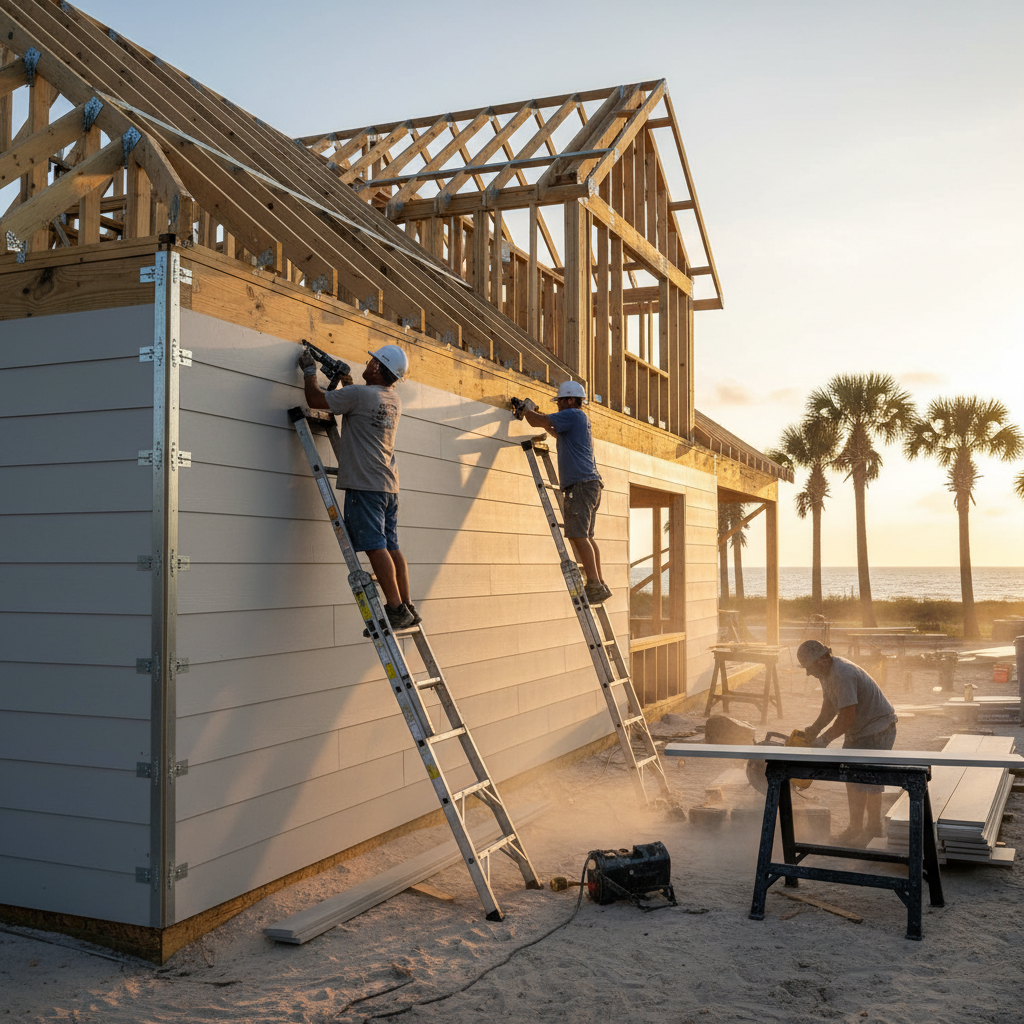
- Framing and sheathing: walls, roof, windows/doors; establish a continuous load path.
- MEP rough-ins: HVAC, plumbing, electrical; inspections and pressure tests.
- Insulation and air sealing: ducts tight, penetrations sealed, attic strategy chosen.
- Drywall and exterior cladding: moisture management, flashings, and WRBs.
- Interior finishes: cabinets, tile, flooring, trim, paint, fixtures.
- Finals and commissioning: MEP finals, blower door, punch list, occupancy sign-off.
Process and timeline table
| Phase | Primary goal | Inspection milestone |
|---|---|---|
| Preconstruction | Complete plans and approvals | Permit issued |
| Sitework | Safe, graded pad with utilities | Erosion/silt, temporary power |
| Foundation | Reinforced, level, cured slab | Plumbing rough, foundation steel |
| Framing | Structural shell closed in | Sheathing, framing, windows/doors |
| Rough MEP | Systems placed, tested | HVAC, plumbing, electrical |
| Insulation | Thermal and air control | Insulation and envelope |
| Finals | Code-compliant, move-in ready | MEP finals, occupancy |
For owners who prefer an owner’s-rep approach, our construction manager at risk guide explains how schedule control and quality reviews work across trades.
Types, methods, and approaches
Texas homes commonly use slab-on-grade with post-tension reinforcement, wood framing with sheathing, and wind-rated connections near the coast. Alternatives like pier-and-beam, insulated concrete forms, or structural steel emerge when soils, flood zones, or design goals demand them.
Foundations
- Slab-on-grade with post-tension: the statewide workhorse that handles many soil profiles.
- Pier-and-beam: elevates living space in flood-prone areas and simplifies under-floor access.
- Deep piers: used where geotechnical reports indicate expansive or weak soils.
Framing and envelopes
- Advanced wood framing: reduces thermal bridging and material waste.
- WRB and rain screens: manage moisture in humid zones and along the coast.
- Impact-rated windows and doors: essential for designated windstorm areas.
Curious about steel options for spans or hybrid frames? Explore this concise steel frame houses guide for context on when steel benefits residential projects.
Delivery models
- Design-build: one accountable team from concept through completion.
- Construction management: owner representation, competitive trades, schedule control.
- Traditional design-bid-build: separate contracts and more coordination for the owner.
Our role spans all three models. If you want an integrated path with single-point accountability, start with our building construction guide.
Best practices for Texas conditions
Build for wind, water, and heat. Specify a continuous load path, right-sized drainage, elevated floors where required, and a tight envelope with balanced ventilation. These calls shrink callbacks, protect interiors, and improve comfort in long Texas summers.
- Wind: calculate design wind speeds; use rated shingles, clips, and impact openings.
- Water: slope grade away, add drains and gutters sized for Gulf downpours.
- Flood: verify base flood elevation; elevate, vent, and choose flood-tolerant materials.
- Heat: select high-efficiency HVAC, low-SHGC glass, and solar-reflective roofs.
- Air: seal penetrations; consider sealed attics or conditioned crawlspaces.
For architectural choices that balance efficiency with modern elevations, review our architecture and design services overview.
Tools, permits, and resources homeowners actually need
You’ll need a coordinated set of plans, energy documentation, windstorm or floodplain approvals where applicable, and inspection checklists. A project binder—digital or physical—keeps submittals, approvals, schedules, and product specs aligned through every site visit.
- Permitting package: site plan, floor plans, elevations, structural sheets, and energy code documents.
- Windstorm program: certifications for coastal counties and designated catastrophe areas.
- Floodplain management: elevation certificates, drainage plans, and utility placement details.
- Energy code: duct testing, blower door testing, and insulation/UA trade-offs documented.
- Inspection matrix: map trades to inspection milestones to prevent rework.
If you’re comparing envelope systems, this residential framing overview offers a helpful primer on structural choices and sequencing.
Free plan review: Share your drawings and we’ll flag wind, flood, and soil items that impact permitting and inspections. We’ll also outline a practical, inspection-driven schedule tailored to your Texas location.
Start here: Call 409-225-1137 or visit our planning and development page.
Case studies and practical examples
Real projects show how Texas-specific choices pay off. On the coast, impact openings and tied-down roof systems reduce storm damage. Inland, post-tension slabs and moisture management protect finish floors. In both cases, clean submittals and scheduled inspections keep move-in dates firm.
Coastal new build – Galveston
We coordinated a wind-rated envelope—roof deck nailing, clips, and impact glass—and timed weather-sensitive work for calm windows. Continuous rain screens and fiber-cement siding kept the facade resilient in salt air. Early floodplain verification prevented redesigns after framing and helped final inspections stay on track.
Inland clay soils – College Station
A geotechnical report supported a post-tension slab with moisture controls. We sequenced landscaping and irrigation commissioning to protect slab margins, then verified envelope tightness with testing before finishes, preventing comfort complaints later.
Urban infill – Austin
Tight lots required precise logistics. We staged deliveries, used pre-approved product submittals, and coordinated MEP rough-in inspections back-to-back. The schedule held because each trade knew the exact pass-off point to the next inspection.
For zoning nuances that can shape your timeline, skim our planning and zoning guide—it outlines practical steps for smoother reviews.
Frequently asked questions
Homeowners ask about permits, timelines, inspections, and coastal requirements. The short answers: plan early, document clearly, and align products with wind, flood, and energy rules. A unified team prevents rework and protects your schedule.
What permits are required to build a home in Texas?
Most jurisdictions require a building permit that includes structural plans, site and grading, energy code documentation, and MEP details. Coastal or flood-prone areas may also require windstorm certification or floodplain approvals. Your plans should address all inspections from foundation through final occupancy.
How long does a residential build typically take?
Timelines vary by jurisdiction, weather, and design complexity. A well-planned single-family home often moves from permit to keys in several months, assuming inspections pass on first attempts and materials arrive on schedule. Coordinated trades and clear submittals keep the critical path tight.
Do I need special products for coastal Texas?
Yes, coastal wind and salt air drive different specifications. Impact-rated windows and doors, corrosion-resistant fasteners, hurricane ties, and moisture-managed cladding are common. Documentation for windstorm programs and careful flashing details reduce risk and help with final approvals.
Which foundation is best for Texas soils?
Many homes use slab-on-grade with post-tension reinforcement because it performs well across soil types. In expansive clays or flood zones, your engineer may recommend deep piers or pier-and-beam solutions. A geotechnical report is the best starting point.
How does Tip Top Builders help me avoid delays?
We manage planning and design, site preparation, and construction management as one workflow. That means earlier geotech, complete submittals, realistic inspection calendars, and coordinated trades. The result is fewer change orders and smoother inspections.
Conclusion, key takeaways, and next steps
Successful residential construction Texas starts with clean plans, site-specific details, and an inspection-driven schedule. With a single accountable partner coordinating trades and approvals, your project stays predictable and resilient against wind, water, and heat.
- Decide delivery model early and align your team.
- Validate wind, flood, and soil conditions before design final.
- Build an inspection-driven schedule with clear handoffs.
- Specify resilient materials for your microclimate.
- Keep documentation, selections, and submittals organized.
Key takeaways
- Align design, inspections, and climate factors before breaking ground.
- Use wind-rated, moisture-managed assemblies in coastal counties.
- Post-tension slabs and moisture control protect interiors on clay.
- Clean submittals and scheduled inspections speed approvals.
Ready to plan? Share your drawings for a coordinated path from permit to keys—or book a discovery call in Galveston to walk your options.
For additional framing context and checklists beyond this guide, see a concise steel frame primer, a broad residential framing overview, and a practical look at framing code considerations.