
Planning and construction is the coordinated process of defining a project’s goals, scope, design, permits, schedule, and controls, then executing the build to code, safety, and quality standards. In Galveston and across Texas, Tip Top Builders applies this end-to-end approach to fuel, retail, and residential projects so you open on time with confidence.
By Aftab Ali • Manager, Tip Top Builders | Last updated: June 7, 2026
Above-Fold Overview
A solid plan plus disciplined construction management prevents rework, inspection delays, and safety incidents. Map site selection, due diligence, permitting, design, and build-out into one roadmap with clear owners and hold points. That’s how Texas projects—from gas stations to storefronts—finish strong and pass inspections the first time.
Here’s the thing: most overruns happen long before concrete is poured. Our planning-and-construction workflow centers on feasibility, permitting, and constructability, then locks schedule and quality gates so field crews can execute without friction.
- What “planning and construction” means in practice for Texas projects
- Step-by-step roadmap from raw land to ribbon cutting
- Delivery methods compared (design-bid-build, design-build, CM at Risk)
- Permitting, environmental, and safety controls you can’t skip
- Tools, templates, and Texas-specific tips to keep inspectors happy
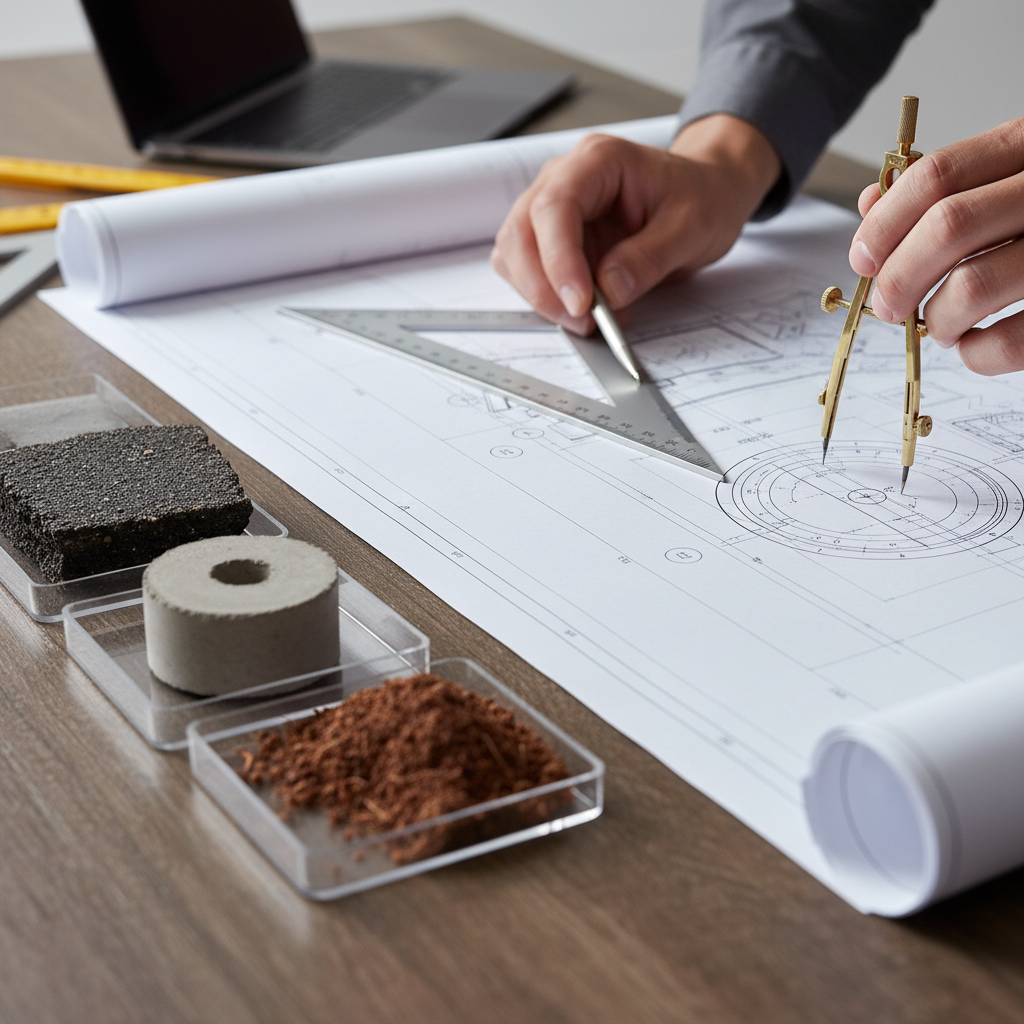
What is planning and construction?
Planning and construction integrates front-end strategy—feasibility, site selection, environmental review, design, permitting, schedule, and budget—with field execution—procurement, safety, quality control, and closeout. When one team owns both, change orders drop and inspection pass rates rise.
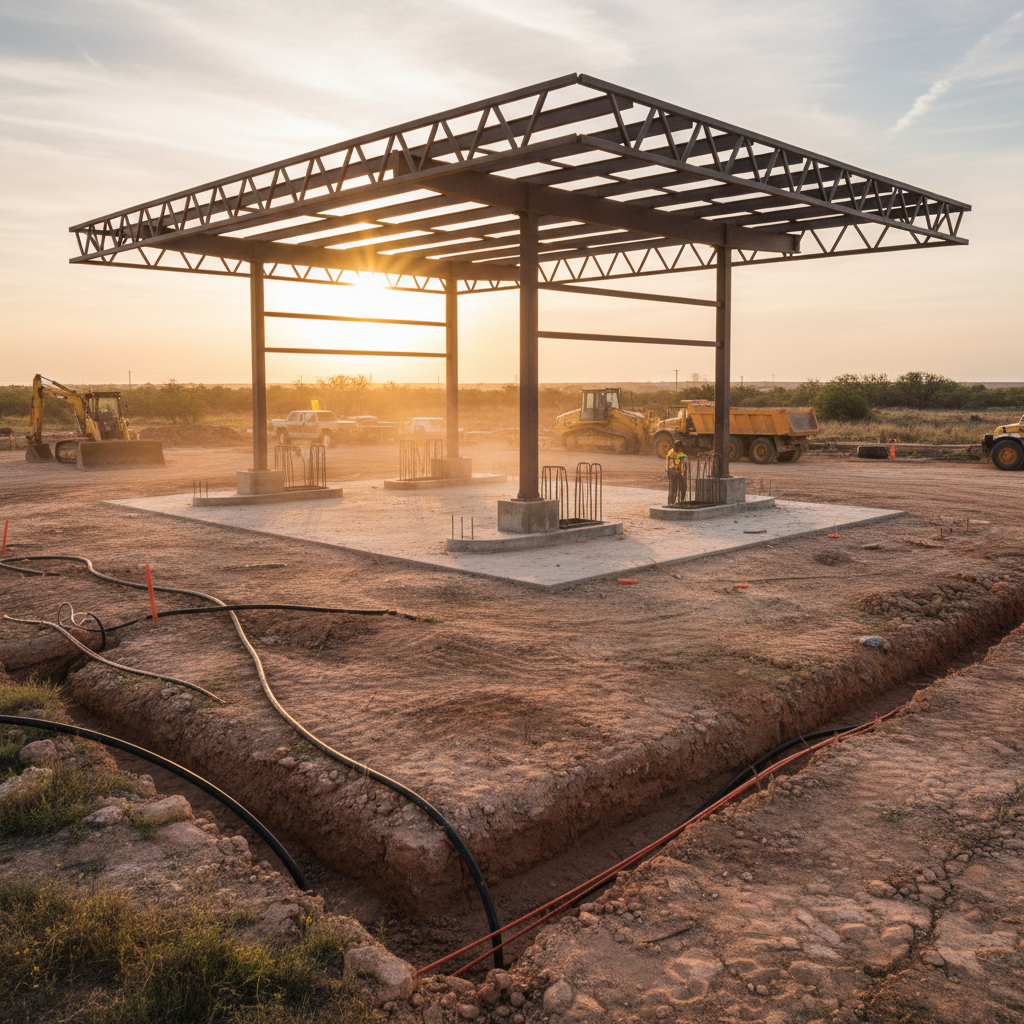
At Tip Top Builders, planning spans site selection and land acquisition support, zoning checks, environmental assessments, architectural design, and permit submissions. Construction covers site preparation and excavation, utilities, foundations, structural systems, MEP, interiors, and commissioning. For fuel retail, we add canopy, forecourt, tank systems, and dispenser integration—tying safety and compliance into every submittal and inspection.
- Scope definition: Program needs, performance criteria, and brand standards clearly documented.
- Schedule and phasing: Long-lead items identified early; inspections sequenced to prevent idle time.
- Controls and QA/QC: Baseline plan, submittal log, inspection test plans, and earned-value tracking.
- Risk and compliance: Safety plans, SWPPP, spill prevention, and code conformance baked into design.
In our experience delivering gas stations and convenience stores across Texas, aligning design decisions with permitting and constructability from day one avoids late redesigns—especially around underground storage tanks (USTs), electrical classification zones, and forecourt drainage.
Why planning and construction matters in Texas
Texas projects face coastal weather, expansive soils, wind loads, and fuel-system rules. Coordinated planning anticipates these risks, protects your schedule, and keeps reviews moving so you open sooner—and operate more safely.
From Galveston’s coastal winds to Central Texas clays, the site dictates the plan. Projects in Beaumont, Port Neches, and College Station often stumble on permit sequencing, utility coordination, and missed geotechnical issues. A single oversight—like paving before soils reports and density tests—can force rework and push back openings.
- Weather resilience: Gulf conditions drive stormwater design, material choices, and elevation decisions.
- Soil behavior: Expansive clays demand subgrade stabilization, drainage clarity, and slab design tweaks.
- Fuel systems: UST installation, monitoring, and fire/life safety require strict documentation and testing.
A practical example: on a C-store site near the Gulf, we locked the drainage plan before permit submittal, value-engineered grading, and integrated canopy steel with electrical and lighting. Inspections tracked to hold points, and we achieved timely TCO without correction cascades.
How planning and construction works: step-by-step
Successful delivery follows a playbook: select the site, confirm feasibility, secure permits, finalize design, mobilize safely, build to spec, and close out with clean documentation. Each phase has owners, inputs, and quality gates to prevent rework.
1) Site selection and land acquisition
Pick sites that work commercially and technically. For fuel retail, evaluate traffic counts, turning movements, visibility, access, and competition. Confirm zoning, setbacks, easements, and utility capacities. Document assumptions with a site selection matrix.
- Access and circulation suitable for delivery trucks and emergency vehicles.
- Recorded easements, shared drives, or off-site improvements noted early.
- Utility capacity (electric, water, sewer) and tap locations confirmed with utilities.
- Early brand standards integrated into massing and forecourt layout.
For deeper predesign support, see our planning and development overview and how we guide land decisions before you buy.
2) Due diligence and environmental
Run Phase I ESA and geotechnical borings. Identify wetlands, floodplain constraints, and off-site drainage. These inputs steer grading strategy, foundation type, and stormwater measures. Document with a due-diligence checklist and risk register.
- Phase I ESA and any recommended follow-ups inform soil handling and UST work.
- Geotech data drives subgrade prep, compaction targets, and slab sections.
- Drainage routing and detention sized to local criteria; erosion control designed up front.
Timely material coordination matters; for example, reinforcing steel must arrive in lockstep with pours. Insights from Dass Rebar on timely rebar delivery underscore how early procurement protects pour schedules.
3) Planning, design, and constructability
Develop concept plans with code analysis and constructability checks. Coordinate architectural and MEP design, canopy steel for fuel sites, and envelope performance. Run value engineering without undermining safety or durability.
- Design charrettes align brand experience with budget and maintenance realities.
- Constructability reviews catch conflicts between canopy steel, dispensers, and lighting.
- Envelope testing plans (air/water) protect interiors in coastal conditions.
For design support, explore our architecture & design services and how early decisions shape schedule and inspections.
4) Permits and approvals
Build a permitting map that lists every review step, submittal requirement, and lead time. Submit in phases when allowed—civil, architectural, fuel systems—to accelerate reviews. Log comments, assign owners, and close items within 24–48 hours.
- Building, fire, health, signage, stormwater, utility, and specialty fuel permits.
- Inspection plan with hold points for undergrounds, rough-ins, and life safety.
- Correction log visible to the entire team and updated daily.
We detail these steps in our guide to planning and zoning in Texas, which shows how early coordination with AHJs shortens cycles.
5) Site preparation and excavation
Mobilize with erosion controls in place. Clear, grade, and compact to geotech criteria. Coordinate underground utilities and stormwater structures before slabs. Track density tests and photo-document subsurface work for closeout.
- Erosion control and SWPPP measures verified before earthwork starts.
- Utility routes staked; conflicts with USTs and canopy footings resolved.
- Compaction and proof-roll results logged as quality evidence for paving.
See our field playbook for excavation projects to understand how we tie density results and utility inspections to pour releases.
6) Structural and enclosure
Place foundations and slabs with rebar, anchor bolts, and embeds verified against approved submittals. Frame, sheath, and dry-in the structure. In coastal markets, confirm wind design, uplift protection, and envelope performance.
- Concrete breaks, rebar placement, and anchor checks performed at hold points.
- Roofing details and flashing inspected before concealment.
- Wind-uplift and envelope integrity verified for coastal durability.
7) MEP rough, interiors, and equipment set
Coordinate electrical, HVAC, and plumbing rough-ins to avoid conflicts. Protect clearances for coolers, kitchen equipment, and dispenser power. Drywall, finishes, millwork, and equipment set proceed after rough inspections pass.
- Panel schedules, load calcs, and mechanical tonnage aligned with brand equipment loads.
- Above-ceiling inspections prepped with checklists to avoid rework.
- Finishes sequenced to protect installed materials and minimize punch.
For electrical scopes and sequencing, the overview from Alpha9 Solutions highlights typical stages and coordination points.
8) Fuel systems (as applicable)
Install tanks, piping, dispensers, and leak detection per manufacturer specs and local requirements. Integrate canopy steel, lighting, and control systems. Prepare for pressure tests, monitoring verification, and safety sign-offs.
- UST submittals, trench photos, and pressure tests logged for inspectors.
- Electrical classification, bonding, and grounding verified.
- Dispenser start-up and canopy lighting tested before final.
Our convenience store construction guide explains how we coordinate forecourt work without disrupting building progress.
9) Commissioning, inspections, and turnover
Plan commissioning scripts for HVAC, lighting controls, and life-safety systems. Pre-punch each area, then conduct owner training and create a clean turnover package: as-builts, O&M manuals, warranties, and test records.
- Hold-point inspection schedule posted and reviewed in daily huddles.
- Punchlist tracked with photos and due dates; items closed rapidly.
- Operations training and manuals delivered before substantial completion.
Delivery methods and approaches
Match your delivery method to risk, speed, and collaboration. Design-build accelerates decisions with one point of accountability. Design-bid-build separates checks and balances. CM at Risk adds early contractor input and schedule control.
| Method | Best fit | Advantages | Watch-outs |
|---|---|---|---|
| Design-Bid-Build | Clear, stable scope; competitive bidding | Transparent pricing; defined roles | Longer total duration; late constructability input |
| Design-Build | Fast-track goals; single contact | Speed; integrated decisions; fewer change orders | Needs clear owner requirements and governance |
| CM at Risk | Complex builds needing early trade input | Precon services; schedule and QA oversight | Requires clear GMP assumptions and allowances |
For Texas fuel and retail, we often lead design-build to integrate canopy steel, forecourt safety, and brand standards early. When multi-tenant or municipal reviews are in play, CM at Risk with phased permitting unlocks speed. For a deeper dive, see our CMAR guide for Texas.
Best practices that prevent delays
Front-load risk. Lock the site plan, drainage, and utility routes before chasing permits. Sequence inspections with hold points, track submittals daily, and document as you go—so closeout takes days, not months.
Permitting, submittals, and inspections
- Create a permitting map listing every review, board, and inspection with lead times.
- Maintain a live submittal log with due dates, reviewers, and constraints; escalate blockers within 24 hours.
- Publish a hold-point inspection schedule and prep checklists per trade.
For process structure, a project phases overview from Education Edge mirrors the planning-to-execution flow we use to streamline reviews and fieldwork.
Safety and environmental readiness
- Implement job hazard analyses, PPE audits, and daily huddles to reduce incidents.
- Get SWPPP and erosion controls in place before mobilization and after major rain events.
- Align spill prevention and fuel-system safety with inspection hold points.
Quality assurance checkpoints
- Earthwork: density tests at specified lifts and visual proof-rolls logged with photos.
- Concrete: verify rebar, anchor bolts, and slump; record breaks for strength confirmation.
- MEP and envelope: pressure tests, insulation inspection, and water intrusion checks before concealment.
We capture each checkpoint in our construction management framework so approvals are fast and defensible during closeout.
Local considerations for Galveston
- Design for wind and flood criteria typical of coastal Texas; select resilient envelope materials and anchorage details.
- Plan work windows around storm season and peak visitor traffic to protect deliveries and inspections.
- Engage utilities and AHJs early for fuel-system and fire-code reviews common to Gulf markets.
Tools and resources we use
Standardized templates and coordination tools keep teams aligned. One source of truth for plans, RFIs, submittals, safety, and QA/QC makes execution faster and documentation airtight.
- Preconstruction templates: Site selection matrix, due-diligence checklist, and permit tracker.
- Field controls: Daily reports, photo logs, inspection plans, and corrective action logs.
- Quality library: ITPs for earthwork, concrete, MEP, envelope, and fuel systems.
- Safety playbook: JHAs, toolbox talks, equipment inspections, and near-miss tracking.
- Closeout kit: Commissioning scripts, startup checklists, O&M manuals, as-builts, and training sign-offs.
For architectural and planning deliverables that save time and reduce revisions, our construction plans guide breaks down the drawings and specs reviewers expect in Texas jurisdictions.
Case studies and on-the-ground examples
Real Texas projects prove the plan. Coordinated site planning, phased permits, and rigorous QA reduced revisions and accelerated openings on fuel, retail, and residential builds.
Fuel retail: C-store with multi-bay forecourt
Challenge: Tight site, drainage limitations, high-visibility corner. Approach: Early geotech and civil coordination; canopy steel integrated with electrical and lighting; UST submittals and trench photos tied to the master log. Outcome: Tanks passed pressure tests; canopy and storefront inspections cleared on sequence.
Commercial build-out: shell to storefront
Challenge: Compressed schedule and multi-tenant coordination. Approach: CM at Risk with phased permits and early procurement for long-lead items. Outcome: Timely TCO; closeout was quick thanks to proactive documentation and pre-punching.
Residential: custom home in coastal conditions
Challenge: Wind loads and floodplain constraints. Approach: Elevated foundation options, resilient exterior materials, and envelope testing before finishes. Outcome: Smooth inspections and durable performance through seasonal weather.
Mid-article check-in: Want a quick sanity check on your site plan or permit path? Our team can review risks and sequence your inspections. Start with a brief planning conversation—no pressure, just clarity.
Frequently Asked Questions
Clear answers help projects move fast. These quick Q&As address the planning-and-construction questions Texas owners ask most—across fuel, retail, and residential builds.
What comes first: permits or final design?
Run permitting and design in parallel after feasibility. Submit with enough detail to trigger early comments, then incorporate feedback into construction documents. This shortens reviews and reduces late redesigns.
How do you reduce inspection delays?
Create a hold-point inspection schedule, prep checklists by trade, and pre-inspect work before calling. Keep a visible correction log and close items within 24–48 hours to maintain momentum.
Which delivery method is fastest?
Design-build often moves fastest because decisions are integrated and submittals flow earlier. Success still depends on clear owner requirements and disciplined change control.
Do you handle environmental and fuel-system compliance?
Yes. We coordinate environmental assessments and manage UST, leak detection, fire/life-safety reviews, and documentation. These scopes are integrated into design, submittals, QA/QC, and inspections.
Conclusion
Better outcomes start long before you pour concrete. When planning and construction operate as one process—with clear owners, hold points, and documentation—Texas projects pass inspections cleanly and open sooner.
Key takeaways
- Front-load risk with geotech, drainage, and utility clarity before submittals.
- Track permits, submittals, and inspections daily with visible owners and dates.
- Pick a delivery method that matches speed, oversight, and collaboration needs.
- Document as you go so closeout is fast, clean, and audit-ready.
- For fuel retail, integrate canopy, forecourt, and UST work into the same master log.
Next step: Planning a gas station, retail space, or custom home in Texas? Let’s align your goals and build a practical roadmap from land to opening. Explore our construction management services or get started with planning and development support.