
Construction management services coordinate planning, permitting, scheduling, budget control, and quality assurance so projects finish on time and meet specifications. In Galveston and across Texas, this approach unifies design, site preparation, and build-out under one accountable partner—reducing delays, improving safety, and simplifying decisions for owners.
By Aftab Ali — Manager, Tip Top Builders • tiptopbuilder.net • Last updated: May 22, 2026
Above the Fold: Why This Guide Matters + What You’ll Find
This complete guide explains how construction management creates predictable timelines, safer jobsites, and smoother approvals. You’ll learn what CM includes, delivery methods, best practices, practical tools, and how Tip Top Builders applies Texas-specific expertise to gas stations, commercial spaces, and homes.
- What construction management services include—and why they matter
- How the CM process works from due diligence to closeout
- Delivery methods compared: Agency CM, CM at Risk, Design–Build, DBB
- Best practices you should expect from your CM partner
- Tools, resources, and documentation that keep teams aligned
- Case snapshots from Galveston, College Station, Austin, and more
- How to choose the right provider—and questions to ask
At a Glance: Summary
Construction management centralizes scope, schedule, cost, and quality control. Owners gain one point of accountability, transparent reporting, risk management, and faster decisions. In Texas fuel retail and commercial work, experienced CM bridges permitting, environmental compliance, sitework, and vertical construction to shorten time-to-open.
- Scope clarity: defined work packages reduce gaps and overlaps.
- Schedule control: lookaheads, constraints logs, and trade pulls limit idle time.
- Budget discipline: tracked commitments and documented decisions prevent surprises.
- Quality + safety: hold points and inspections ensure compliance and performance.
- Local know-how: Texas-specific permitting and inspections stay on track.
Local considerations for Galveston
- Plan for coastal weather windows and wind ratings when sequencing canopy steel and exterior finishes for gas station or C-store sites.
- Schedule earthwork around rainy periods; stabilize subgrades quickly to protect production and maintain inspection timelines.
- Coordinate early with local authorities for environmental reviews related to underground storage tanks and stormwater controls.
What are construction management services?
Construction management services are the professional planning, coordination, and control of a project from concept to closeout. A CM aligns design, permitting, procurement, sitework, and build-out—protecting scope, schedule, cost, and quality so owners reach operational readiness without avoidable rework.
In our experience across Texas, the CM role is the owner’s advocate and integrator. We translate goals into scope, structure trade packages, run submittals and RFIs, maintain the master schedule, and document safety and quality. For fuel retail, CM adds sequencing for underground storage tanks, dispenser systems, and canopy steel while navigating environmental reviews and inspections.
Tip Top Builders provides CM as part of an end-to-end, land-to-opening approach that also includes planning and design, site preparation and excavation, and vertical construction for gas stations, commercial spaces, and residential homes.
Why construction management matters
Effective CM compresses timelines, reduces rework, and improves safety. By linking design choices with permitting, procurement, and field logistics, a CM keeps trades productive and inspections on schedule—turning complex projects into predictable delivery systems.
- Fewer delays: coordinated submittals and long-lead tracking line up materials with foundations, framing, and MEP work.
- Less rework: quality hold points and first-work inspections prevent costly tear-outs.
- Safer sites: daily toolbox talks and task hazard analyses reduce incidents and stoppages.
- Transparent decisions: weekly reporting clarifies constraints, commitments, and upcoming inspections.
- Environmental compliance: documented stormwater and fuel-system controls protect approvals.
Industry guides note that coordinated planning and clear accountability drive measurable schedule reliability. For additional perspective on workflow coordination, see these project coordination insights from an established industry publisher.
How construction management works (step-by-step)
CM follows a phased roadmap: due diligence and preconstruction, procurement and buyout, mobilization and sitework, vertical construction, commissioning, and closeout. At each step, the CM maintains the schedule, coordinates trades, assures quality, and documents compliance.
- Due diligence: site selection support, utilities research, early permitting strategy, and preliminary budgets.
- Preconstruction: finalize scope, drawings, and specs; build the master schedule; identify long-lead items.
- Procurement: bid, level, and award trade packages; lock vendor submittal timelines and logistics plans.
- Mobilization & sitework: clearing, grading and excavation, utilities, stormwater, and foundations.
- Vertical construction: structure, envelope, MEP rough-in, interiors, plus canopy, USTs, and dispensers for fuel retail.
- Commissioning: equipment start-up, functional tests, punch, documentation, and training.
- Closeout: as-builts, O&M manuals, warranties, and final inspections to reach operational handover.
We keep momentum with three-week lookaheads, constraint logs, and daily coordination huddles. This practical rhythm aligns crews and inspections, and it prevents end-of-project pileups by closing documentation progressively.

Project delivery methods compared
Owners can choose Agency CM (advisor only), CM at Risk (single point of responsibility), Design–Bid–Build (sequential, lowest initial bid), or Design–Build (single contract). The right fit depends on speed-to-market, risk allocation, and design certainty.
| Method | Speed | Cost Certainty | Risk Allocation | Best When |
|---|---|---|---|---|
| Agency CM | Moderate | Moderate (open-book) | Owner holds trade contracts | You want advisory support without a single-risk holder |
| CM at Risk | Fast | High (defined GMP) | CM holds risk and trade contracts | You want one accountable partner and early schedule gains |
| Design–Bid–Build | Slower (sequential) | Variable (lowest initial bid) | Owner/GC split by contract | Public or policy-driven procurement |
| Design–Build | Fastest (overlap) | High (single contract) | Design–builder holds most risk | You want speed and simplified interfaces |
For a deeper dive into risk-held models, explore our overview of CM at Risk in Texas and a broader lens comparing EPCM vs CM. These frameworks help you align delivery with schedule targets and governance needs.
Best practices you should expect from your CM
Great CM blends disciplined preconstruction with tight field coordination. Expect a clear WBS, buyout strategy, long-lead tracking, safety plans, first-work inspections, and weekly reports covering schedule variances, RFIs/submittals, and risk mitigations.
Planning discipline
- Develop a detailed work breakdown structure and responsibility matrix.
- Confirm design intent before buyout; avoid scope gaps and change-driven delays.
- Pin down logistics for laydown areas, deliveries, and crane/canopy picks.
Schedule reliability
- Use three-week lookaheads and daily huddles to clear constraints early.
- Sequence trades to minimize stacking; protect critical path tasks.
- Track inspections and testing so sign-offs align with production.
Quality and safety
- Apply first-work inspections and checklists to set quality benchmarks.
- Run daily toolbox talks and task hazard analyses; stop work when controls aren’t in place.
- Document deficiencies and close them promptly to keep momentum.
For context on the impact of certified project leadership, see why project management matters in this overview of PM benefits. The bottom line: consistent processes and communication cadence reduce variance.
Tools and resources that keep teams aligned
Modern CM uses scheduling platforms, document control, field productivity tracking, and standardized QA/QC. Digital submittals, punch, and photo logs create traceable records. Drone mapping and model coordination further cut clashes and rework.
- Scheduling: network-based schedules with constraints logs and lookaheads.
- Document control: submittal registers, RFI workflows, revision tracking.
- Field productivity: daily reports, manpower and equipment logs.
- Quality: inspection and test plans, pre-pour and pre-cover checklists.
- Closeout: progressive capture of O&M, warranties, training, and as-builts.
Tip Top Builders pairs the right tools with right-sized routines. We keep owners updated with plain-language dashboards and weekly summaries—no noise, just the decisions and risks that matter.
Budget control without publishing pricing
CM improves budget predictability by clarifying scope early, analyzing alternatives, locking buyout strategy, and tracking commitments. Transparent contingencies and proactive change control prevent surprises—without disclosing project pricing.
- Scope clarity: align drawings/specs before buyout; freeze late design shifts.
- Alternatives analysis: evaluate finishes, equipment, and phasing impacts.
- Buyout strategy: bid smart bundles to avoid gaps/overlaps.
- Change control: document decisions; maintain an audit-ready log.
Our open, trackable approach gives stakeholders confidence. You’ll always know what’s committed, what’s pending, and what decisions preserve schedule and performance.
Case studies and quick scenarios (Texas)
Real examples show how disciplined CM shortens time-to-open. Permitting clarity, sequenced sitework, and synchronized trades keep inspections flowing. Commissioning checklists and as-builts speed handover while safeguarding compliance and warranty.
- Galveston fuel + C-store: Coordinated canopy steel lead times with foundation pours; staged UST install ahead of weather, aligning inspections to maintain momentum.
- College Station retail pad: Subgrade stabilization and stormwater controls protected production during wet weeks; inspections stayed on cadence.
- Austin infill build-out: Tight urban logistics plan minimized street impacts; night deliveries reduced conflicts and helped hit turnover.
- Beaumont residential: Leveraged our residential construction framework for schedule visibility from framing through finishes and punch.
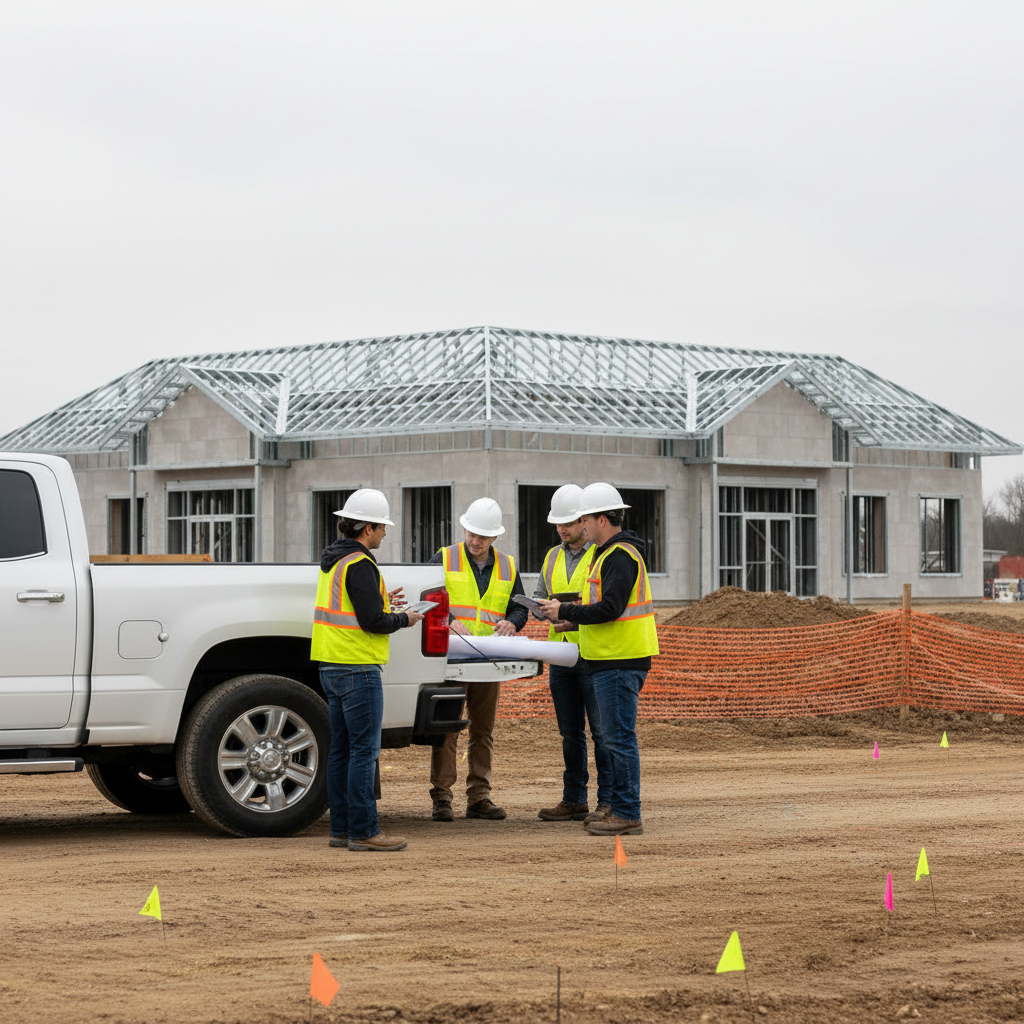
How to choose the right construction management partner
Select a CM with relevant project types, proven Texas approvals experience, strong safety and quality records, and transparent reporting. Ask for roadmaps, sample logs, escalation paths, and communication cadence. Verify who owns decisions and timelines.
- Match experience: gas stations/C-stores, retail pads, or residential—hire for your scope.
- Review systems: request sample schedules, RFIs/submittal logs, and QA/QC templates.
- Check safety + quality: ask about incident prevention and first-work inspections.
- Confirm permitting know-how: Texas-specific fuel and environmental steps are critical.
- Validate communication: weekly reporting, clear commitments, defined change process.
Need upstream help? Our team also supports urban planning and entitlements and end-to-end planning and design to de-risk your project before groundbreak.
Request a construction management assessment
Planning a gas station, C-store, commercial space, or home in Texas? Let’s align scope, schedule, and approvals before mobilization. Tip Top Builders provides land-to-opening support so you hit operational dates with confidence.
Practical templates and checklists (what to ask for)
Ask your CM for a clear schedule, submittal register, RFI log, lookahead template, quality checklists, and a progressive closeout tracker. These living documents keep everyone aligned and make audits straightforward.
- Master schedule with critical path and constraint notes
- Three-week lookahead identifying handoffs and inspections
- Submittal/RFI matrix with due dates and responsibilities
- Inspection/test plans for concrete, undergrounds, and pre-cover work
- Closeout log for O&M, warranties, training, as-builts
For risk-thinking frameworks you can discuss with your team, review these risk management techniques often cited in project leadership training.
Where CM fits in Tip Top Builders’ turnkey delivery
CM is the spine of our land-to-opening model. We connect site selection, planning, design, sitework, vertical build, and closeout into one accountable workflow—so Texas owners can open sooner with fewer surprises.
Because we manage the full chain—from early planning to handover—we catch issues before they hit the field. Explore our upstream services in planning & design and downstream coordination in site preparation & excavation for a complete, end-to-end picture.
Frequently asked questions
Owners ask how CM differs from a general contractor, how CM at Risk works, what documents they’ll see weekly, and how permitting integrates. These answers clarify roles, deliverables, and decision points.
What does a construction manager do day-to-day?
They coordinate schedules, submittals, RFIs, inspections, and trade sequencing while running safety walks and meetings. They manage changes, track commitments, and keep documentation current for pay applications and closeout.
How is CM at Risk different from Agency CM?
Agency CM advises the owner and coordinates but doesn’t hold trade contracts. CM at Risk provides preconstruction services and then delivers construction under a single contract as the risk holder and point of accountability.
Do I still need permits with a CM provider?
Yes. A CM organizes permitting strategy, submissions, and inspections while coordinating with design teams and authorities. The goal is to secure approvals in sequence with the schedule and keep inspections aligned with production.
Can construction management help residential projects?
Absolutely. CM adds clarity and schedule reliability to custom homes by sequencing framing, MEP rough-ins, finishes, and inspections. Our residential approach keeps selections and milestones visible.
What weekly reports should I expect?
Expect a concise update with schedule variances, upcoming inspections, RFIs/submittals due, decisions needed, commitments to date, and risk mitigations. Clear reporting ensures faster decisions and fewer surprises.
Conclusion: Make your next Texas build predictable
Construction management services give owners control over scope, schedule, cost, and quality. With one accountable partner guiding Texas-specific permitting, sitework, and build-out, you shorten time-to-open and reduce risk—without publishing pricing.
- Key takeaway: disciplined CM replaces uncertainty with a documented plan.
- Next step: align your scope and schedule before mobilization.
- Partner advantage: Tip Top Builders connects planning, sitework, and vertical build in one workflow.
Ready to start? Contact Tip Top Builders to discuss timelines and approvals for your gas station, C‑store, commercial, or residential project in Texas.
Key Takeaways
Choose a CM partner who brings Texas permitting know-how, clean reporting, and end-to-end coordination. Expect lookaheads, quality hold points, safety leadership, and progressive closeout to keep momentum and protect handover dates.
- Construction management services integrate design, permitting, sitework, and build-out.
- Delivery method should match risk appetite and speed-to-market goals.
- Templates and checklists make progress visible and auditable.
- Tip Top Builders delivers land-to-opening accountability across Texas.
For background on why structured project leadership improves outcomes, review this overview of project management benefits. Then bring your plans, and we’ll turn them into a predictable delivery roadmap.