
Construction project planning and scheduling is the coordinated process of defining scope, sequencing work, allocating resources, and time-phasing tasks to deliver a build on time and to spec. In Galveston, Texas, Tip Top Builders applies rigorous planning so permitting, crews, and materials line up—keeping projects moving from groundbreak to grand opening without costly downtime.
By Tip Top Builders — Texas planning & design, site preparation, and construction management specialists. Last updated: 2026-06-22.
Above-Fold: Hook, Summary, and Table of Contents
Strong planning and reliable schedules prevent delays, reduce rework, and improve safety. The fastest path from land to opening is a clear scope, a living master schedule, and weekly coordination that removes constraints before crews arrive.
When you nail construction project planning and scheduling, everything else gets easier. Permits clear on time. Materials show up when needed. Crews stay productive and safe. This complete guide shares the exact frameworks Tip Top Builders uses across Texas for fuel retail, commercial, and residential projects.
- What construction planning and scheduling means in practical field terms
- Why it matters for Texas gas stations, retail shells, and coastal homes
- How to build a baseline, find the critical path, and run lookaheads
- Methods that work (CPM, Last Planner, pull planning, Gantt views)
- Tools we rely on from preconstruction to punch list
- Mini case studies from Tip Top Builders’ Texas portfolio
- FAQ with direct answers you can use in the trailer tomorrow
- What is it?
- Why it matters
- How it works
- Methods and approaches
- Best practices
- Tools and resources
- Case studies and examples
- Related guides
- FAQ
- Conclusion & next steps
What Is Construction Project Planning and Scheduling?
Construction planning defines scope, sequence, and means-and-methods; scheduling assigns durations, dependencies, and resources to deliver that plan on time. Together, they create a baseline, highlight the critical path, and guide daily coordination so labor, materials, and permits align in the field.
At Tip Top Builders, planning begins before land acquisition and continues through closeout. We translate owner intent into a work breakdown structure (WBS), map permit gates, and phase site prep, foundations, MEP rough-in, and finishes into a buildable flow. For fuel retail, that means sequencing underground storage tanks (UST), canopy steel, and store interiors to reduce trade conflicts and inspection rework.
- Scope and WBS: Break the project into controllable packages (e.g., tank install, canopy steel, store interior).
- Schedule logic: Identify predecessors/successors so dependencies are explicit (e.g., inspections before backfill).
- Resource loading: Match crews, equipment, and long-lead materials to realistic durations.
- Constraints register: Track anything that can block work (permits, utility locates, submittal approvals).
- Risk plan: Pre-plan mitigation for weather, supply chain, and site conditions common on the Gulf Coast.
Here’s the thing: schedules don’t create predictability by themselves. Reliability comes from consistent weekly planning and active constraint removal. That’s why we combine a contractual CPM baseline with rolling 3–6 week lookaheads on every Texas job.
Why Construction Planning and Scheduling Matters
Good planning prevents idle crews, rework, and safety incidents. Clear schedules help inspectors, subs, and suppliers coordinate, cutting waste and compressing timelines without sacrificing quality or compliance.
Owners feel the difference on day one. A realistic baseline sets expectations; weekly lookaheads keep field teams aligned; and a constraints log removes roadblocks before they hit the job. For gas stations and convenience stores, aligning UST installations with civil inspections and life-safety reviews is mission‑critical.
- Predictability: Weekly updates enable earlier course corrections than monthly reporting.
- Safety: Sequenced work limits trade stacking and reduces exposure hours during high‑risk tasks.
- Quality: Planned inspections and mockups shrink punch lists later.
- Compliance: Permit gates tied to schedule logic keep reviews on cadence.
- Cash flow: Milestone‑driven progress supports timely billings and supplier releases.
Local considerations for Galveston
- Build weather buffers during Atlantic hurricane season; add float to exterior work and site utilities.
- Time deliveries to avoid peak coastal traffic and account for potential tidal effects on low‑lying access routes.
- Specify corrosion control and protected laydown; salt air accelerates wear on uncoated metals and stored materials.
We’ve found coastal projects benefit from corrosion‑resistant fasteners and disciplined storage. It’s a simple planning decision that reduces callbacks months later.
How Construction Planning and Scheduling Works
Start with a WBS and design milestones, build a CPM baseline, and drive the work with rolling 3–6 week lookaheads. Pair weekly coordination with constraints removal and verify progress through inspections and earned‑value checks.
Below is the workflow our Galveston team follows statewide—from Beaumont to Austin—on fuel retail, commercial, and residential builds.
- Discovery and due diligence: Gather surveys, utility data, environmental assessments, and zoning requirements.
- Permitting strategy: Map submittals, reviews, and inspections to schedule gates (civil, building, fire).
- Baseline schedule (CPM): Build logic ties, durations, resources, and float; identify the critical path.
- Procurement plan: Track long‑leads (structural steel, switchgear, dispensers) with order/ship/install dates.
- Rolling lookaheads: 3–6 week plans used in superintendent/sub huddles to lock crews and materials.
- Daily control: 15‑minute field huddles; update boards; verify constraints cleared before start‑of‑work.
- Progress validation: Percent complete, inspections passed, and field photos to support updates.
- Change control: RFI/submittal workflow and resequencing when issues arise.
| Planning Artifact | Purpose | Owner | Update Frequency |
|---|---|---|---|
| Master CPM Schedule | Baseline and milestones | Project Manager | Monthly + when scope changes |
| 3–6 Week Lookahead | Field‑ready work plan | Superintendent | Weekly |
| Constraints Log | Remove blockers early | PM + Sup | Weekly |
| Procurement Tracker | Long‑lead visibility | Buyer/PM | Weekly |
| Inspection Calendar | Compliance timing | PM | Scheduled + as needed |
Want a deeper dive on how we build and hold schedules? See our in‑depth project scheduling playbook and our field‑tested construction management service overview.

Types, Methods, and Approaches
Use CPM for the contractual baseline, Gantt views for communication, and pull planning/Last Planner for field reliability. On Texas fuel retail sites, combine phasing for civil/UST work with interior fit‑out streams to compress duration without overloading trades.
Critical Path Method (CPM)
- Defines the sequence that controls the finish date; zero‑float tasks demand focus.
- Ideal for integrating permits and milestone tracking with agency lead times.
- Action: Model weather‑sensitive work using realistic calendars and non‑work days.
Last Planner System and Pull Planning
- Field teams commit to near‑term tasks based on actual readiness.
- Weekly promises and constraint checks improve hit rates and crew productivity.
- Action: Use color‑coded magnets for trades to visualize flow in the trailer.
Gantt Charts and Phase Planning
- Simple, visual timelines for owners, inspectors, and lenders.
- Phase maps show site split (e.g., fuel systems vs. store build‑out).
- Action: Pair Gantt with a constraints log to make dates real, not aspirational.
To compare delivery models and how they affect scheduling responsibility, review our overview of EPCM vs. CM and our Texas construction management guide.
Best Practices That Keep Schedules On Track
Plan permitting and procurement first, build a realistic critical path, and run weekly lookaheads that fix constraints before crews mobilize. Standardize huddles, document progress, and protect safety by limiting trade stacking.
Permit and Inspection Alignment
- List every submittal, expected review time, and required inspection.
- Tie each permit or inspection to a CPM gate with clear predecessors.
- Action: Pre‑book inspection windows for weather‑sensitive workstreams.
Procurement and Long‑Lead Control
- Release structural steel, switchgear, and dispensers early based on supplier lead times.
- Maintain an aging report so late approvals surface before they hit the site.
- Action: Track order/ship/receive/install dates visibly in the trailer.
Rolling Lookaheads and Daily Huddles
- Use 3–6 week lookaheads to lock crews, equipment, and material deliveries.
- Keep daily huddles to 10–15 minutes; clear constraints before work starts.
- Action: Document promises by trade; measure plan percent complete weekly.
Safety Windows and Quality Gates
- Sequence high‑risk work in controlled time blocks with JSAs ready.
- Insert mockups and first‑work inspections before full‑scale production.
- Action: Limit trade stacking; protect access and laydown to avoid rework.
Many teams ask if there’s a single “best” cadence. In our experience, monthly CPM updates, weekly lookaheads, and daily 15‑minute huddles strike the right balance for most Texas projects.
Tools and Resources We Use
We pair CPM‑capable software with simple field tools: lookahead boards, daily huddle sheets, and photo documentation. This blend keeps the contract schedule rigorous and the day‑to‑day execution practical for superintendents and subs.
- Scheduling software: Build CPM logic, resource load, and run what‑ifs.
- Field trackers: Whiteboards, magnets, and laminated checklists that survive jobsite wear.
- Inspection calendar: Integrated with city/county portals to book reviews early.
- Photo logs: Daily progress and quality verification from the field.
- Safety plans: Job hazard analyses matched to schedule phases.
For more planning fundamentals, check our Planning & Design guide and the practical overview in our planning and development article. For general schedule control concepts, see this short primer on schedule control tips.
Case Studies and Field Examples
On fuel retail, retail shell, and residential builds, proactive scheduling around permits, long‑leads, and weather stabilized timelines. Rolling lookaheads and constraint removal cut idle time and improved inspection pass rates across Texas sites.
Fuel Retail (Gas Station + C‑Store)
- Sequenced civil/UST, canopy steel, and store interior to reduce trade conflicts.
- Mapped life‑safety inspections to milestone dates to avoid rework.
- Timed vendor coordination for dispensers and POS with MEP sign‑off.
Example: A Southeast Texas C‑store needed UST installation, canopy steel, and interior fit‑out in a tight window. We used a split‑phase plan: UST and civil inspections first, steel and roofing to achieve dry‑in, then interior trades in a controlled sequence. Weekly lookaheads and an actively maintained constraints log kept hit rates high despite coastal weather.
Commercial Retail Shell
- Parallelized site utilities and slab prep with steel fabrication lead time.
- Choreographed storefront and roofing to dry‑in early for interior starts.
- Aligned owner decision points with procurement gates to prevent slips.
Result: By front‑loading procurement and using 3–6 week lookaheads, the team reduced idle days and started interiors earlier—shrinking the overall duration without stacking trades unsafely.
Residential Build in Coastal Texas
- Weather calendars added time buffers to exterior elevations and finishes.
- Pull planning with trades improved schedule adherence during peak months.
- Inspection calendars shared with authorities to book slots early.
Lesson learned: Staging critical exterior scopes away from forecasted weather bands protected quality and reduced punch items later. It’s simple math—fewer rain‑outs equal steadier production.
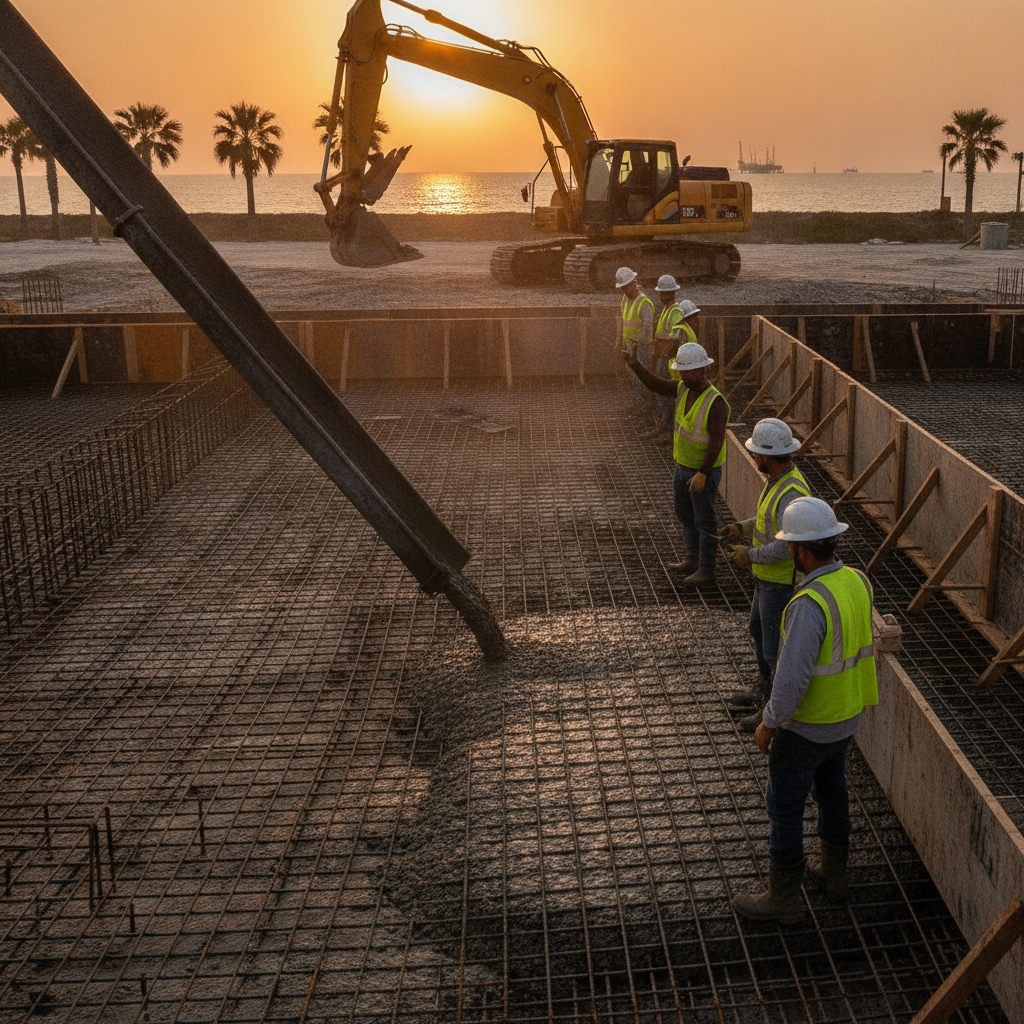
Related Guides and Further Reading
Deepen your understanding with practical guides that connect planning decisions to field execution. Focus on preconstruction, schedule control, and delivery models to sharpen how you build—and how fast you open.
For delivery frameworks and owner coordination, explore our project management comparison and statewide construction management guide. If you’re evaluating scope and sequencing that affect the perceived cost to build and time to market, our building construction overview connects design choices to schedule risk. For a general audience primer on keeping renovations on schedule, this short read on renovation scheduling tips shows the same principles at a smaller scale.
Frequently Asked Questions
What is a realistic update cadence for a construction schedule?
Update the CPM baseline monthly or after approved scope changes. Keep a 3–6 week lookahead refreshed weekly in superintendent and trade huddles. Daily, run a 10–15 minute check-in to confirm work readiness and clear constraints before tasks start.
How do you prevent delays from permits and inspections?
Build a permitting strategy into your schedule. List every submittal, expected review time, and required inspection. Tie each to gates in your CPM. Confirm lead times with the authority having jurisdiction and book inspection windows as early as feasible.
Which scheduling method is best for small commercial jobs?
Use a simple CPM baseline for milestones and dependencies, then drive execution with weekly lookaheads and short daily huddles. Gantt views help communicate with owners, while pull planning improves reliability with subs in the field.
What’s the value of a constraints log?
A constraints log lists the permits, approvals, materials, and decisions that could block an activity. Reviewing it weekly allows the team to remove roadblocks before mobilizing crews, reducing idle time and trade stacking on site.
Any quick reads for schedule control fundamentals?
Yes. For a concise intro to keeping builds on time, this overview of construction project management concepts is helpful: project management basics. For weekly schedule discipline, see these schedule control tips.
Conclusion and Next Steps
Reliable schedules come from early permit planning, realistic durations, and disciplined weekly lookaheads. When you remove constraints before crews mobilize, projects move faster and safer—with fewer surprises.
- Start with a clear WBS and permitting map.
- Build a CPM baseline, then manage with weekly lookaheads.
- Lock in long‑lead procurement early.
- Protect safety windows and reduce trade stacking.
- Document progress and decisions to keep everyone aligned.
Key takeaways
- Construction project planning and scheduling is your lever for predictability.
- Weekly coordination beats monthly surprises.
- Permit, procurement, and weather planning stabilize timelines on Texas sites.
If you want help applying these frameworks to a Texas gas station, retail, or residential build, our team can lead from site selection through opening. Explore our Planning & Design services or request end‑to‑end support via our Construction Management team in Galveston.