
Construction management and project management are complementary disciplines that align scope, schedule, budget, quality, and risk so projects finish on time and meet code. In Galveston, Texas, Tip Top Builders applies both across gas stations, commercial, and residential builds to streamline permitting, safety, and trade coordination from planning through handover.
By Aftab Ali — Manager, Tip Top Builders
Last updated: 2026-06-08
At a Glance
Construction management focuses on execution in the field, while project management orchestrates strategy, scope, and stakeholder alignment. Tip Top Builders blends both roles to de-risk Texas builds—coordinating permits, schedule, budget, and quality so gas stations, retail spaces, and homes open predictably and safely.
- What you’ll learn: Clear definitions, roles, workflows, and tools that reduce rework and delays.
- Why it matters: Efficient management compresses timelines and raises build quality, especially for fuel/C-store projects.
- How we help: End-to-end planning & design, site prep, and construction management refined for Texas jurisdictions.
Table of contents
- What is construction vs project management?
- Why this distinction matters in Texas
- How the process works (preconstruction to closeout)
- Delivery methods and role alignment
- Best practices to avoid delays
- Tools and resources
- Case studies from Texas
- Pricing, budgeting, and contracts
- FAQ
- Key takeaways
- Conclusion
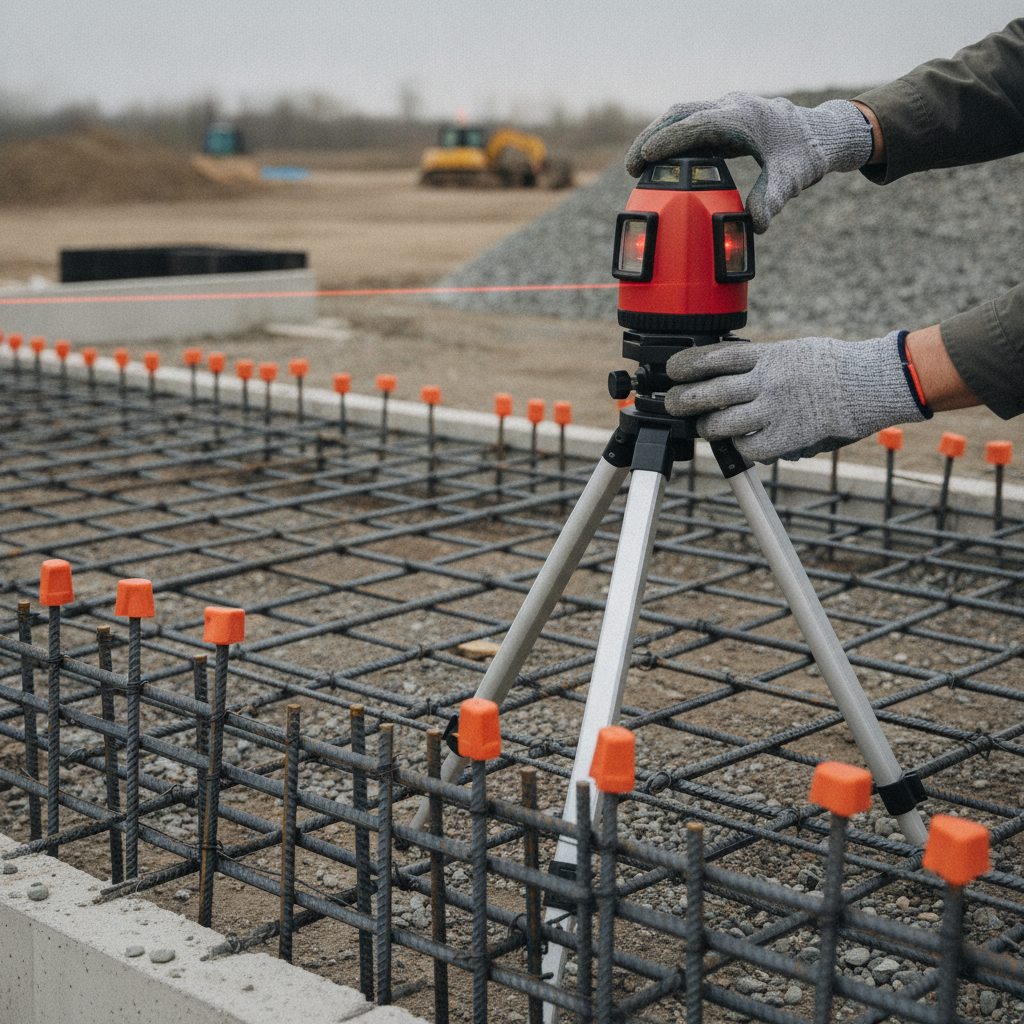
What Is Construction Management vs Project Management?
Project management defines the plan—scope, schedule, budget, risk, and stakeholders. Construction management executes the plan—procurement, field coordination, quality, safety, and inspections. On Texas jobs, both roles integrate so decisions upstream protect time, cost, and compliance downstream.
In practice, you’ll often see one team handling both functions with clear swimlanes. That’s what we do at Tip Top Builders: our project managers structure the roadmap and approvals, while our construction managers run field operations, subcontractors, and daily production.
Quick comparison
| Area | Project Management (PM) | Construction Management (CM) |
|---|---|---|
| Main focus | Strategy, plan, approvals, risk, stakeholders | Field execution, safety, quality, logistics |
| Key outputs | Charter, WBS, schedule baseline, risk register | Look-aheads, buyout, QA/QC, daily reports, inspections |
| Time horizon | Preconstruction through closeout | Mobilization through commissioning |
| Primary risks | Scope creep, permitting, funding, design drift | Safety incidents, rework, supply delays, weather |
| Owner visibility | Milestones, change control, cash flow, dashboards | Progress walks, inspections, punchlists |
You might be wondering which role you need for a gas station or C-store ground-up build. The reality is you need both perspectives—strategy and execution—woven together by one accountable partner. Our integrated team handles planning and fieldwork as a single system.
Why the Distinction Matters for Texas Builds
Clarity between PM and CM reduces rework, prevents permit delays, and protects critical path tasks. Texas fuel and retail projects benefit when strategy decisions (design, approvals, utilities) align tightly with field logistics (site prep, inspections, commissioning).
- Faster approvals: Clean submittals, coordinated utilities, and early agency touchpoints trim waiting time.
- Fewer surprises: Integrated risk logs surface issues (e.g., tank lead times, canopy steel) before they slip the schedule.
- Higher quality: QA/QC gates at foundations, piping, and MEP rough-in prevent punchlist bloat later.
For example, when building a C-store canopy, our PMs sequence design and shop drawings with utility easements and inspection windows, while our CMs stage equipment, verify anchor bolt templates, and confirm tolerances—so steel flies once, not twice.
Local considerations for Galveston
- Account for coastal weather windows and wind exposure in your schedule; concrete pours and canopy picks require calm, dry conditions.
- Plan procurement buffers around regional holidays and summer traffic; deliveries and inspections book up quickly in peak months.
- Coordinate environmental reviews early for fuel systems; integrating these with design submittals reduces resubmittals and rework.
Want a deeper look at early-phase risk control? See our planning and design framework tailored for Texas jurisdictions.
How Construction and Project Management Work Together
Successful builds tie strategic planning to tight field control. We align site selection, permitting, design coordination, procurement, and site operations with defined gates: authorize, mobilize, build, commission, and hand over—each with measurable quality and safety checks.
Phased workflow (land-to-opening)
- Site selection and feasibility: Traffic, access, zoning, and utility availability screened against program needs.
- Permitting and environmental: Submittal packages sequenced with surveys and studies to streamline reviews.
- Design coordination: Architecture, civil, fuel, and MEP drawings reconciled with constructability and cost targets.
- Site preparation and excavation: Clearing, grading, erosion control, and underground tank area prepped safely.
- Structure and systems: Foundations, steel, envelope, fuel piping, MEP rough-in, then finishes and equipment.
- Commissioning and closeout: Testing, inspections, training, O&M documentation, and turnover.
We assign clear owners for each gate. For instance, when our PM finalizes a two-week lookahead with inspection holds, our CM aligns crews, cranes, and deliveries, then updates the daily production plan to keep critical path intact.
Explore our integrated approach on the Construction Management service page and see how schedule, budget, and quality controls connect.
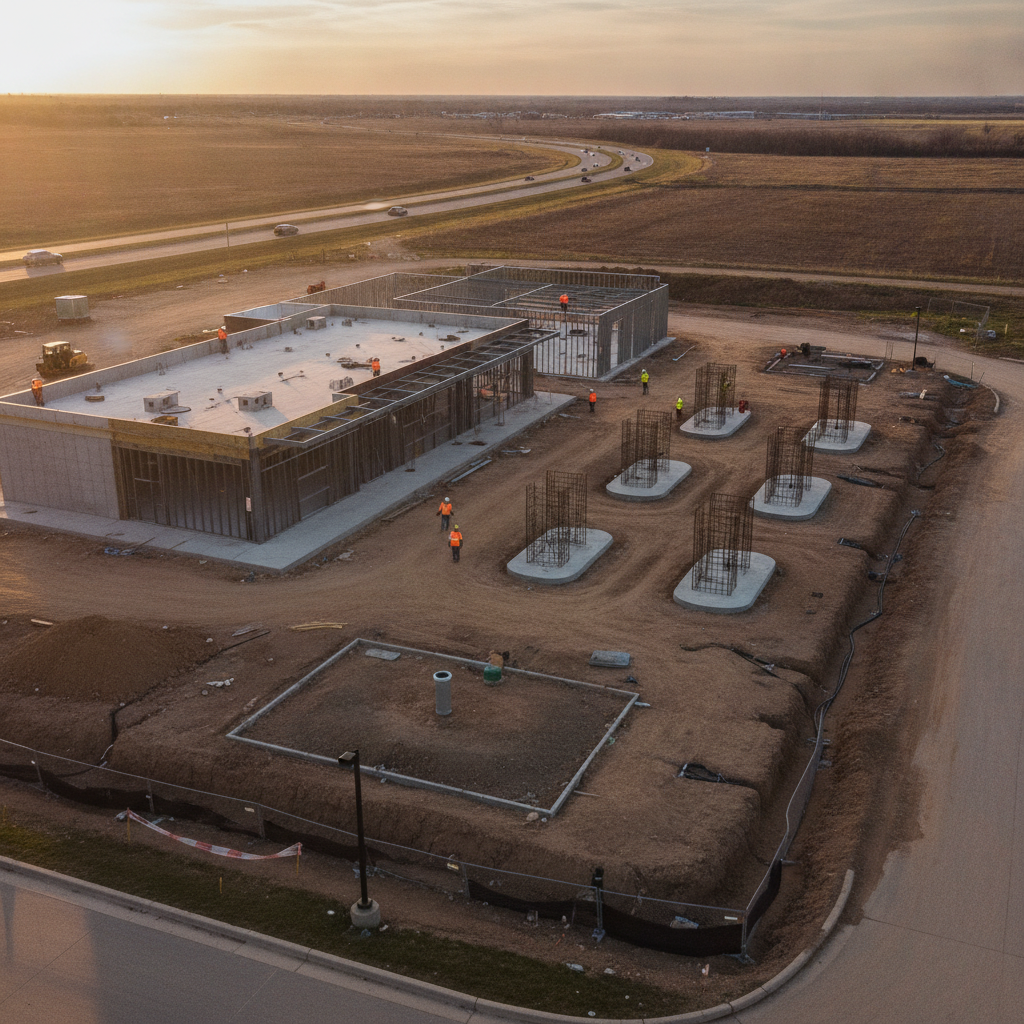
Delivery Methods and Role Alignment
Choose a delivery method that matches speed, risk tolerance, and design control. Design-bid-build separates design and construction; design-build unifies them; CM-at-Risk combines precon with a guaranteed delivery; Agency CM advises the owner without holding trade contracts.
Common methods
- Design-Bid-Build (DBB): Linear sequence; clear checks and balances; longer procurement path.
- Design-Build (DB): Single point of accountability; faster iterations; requires strong change control.
- CM at Risk (CMAR): Preconstruction services with a guaranteed maximum delivery; collaborative and cost-transparent.
- Agency CM: Advisor to the owner; no trade contracts; reduces owner bandwidth burden without contractor risk transfer.
For Texas C-store and fuel sites, we often recommend design-build or CMAR to compress timelines while preserving cost and quality transparency. Our PMs run risk workshops at schematic and design development, while our CMs validate quantities, logistics, and trade input early.
Best Practices to Avoid Delays and Rework
Front-load clarity, then protect the critical path. Lock scope, sequence approvals, stage long-lead items, enforce QA/QC gates, and maintain short-cycle lookaheads. Integrated PM/CM dashboards surface risks early so you act before issues snowball.
Field-tested practices
- Define “done” at each gate: Entry/exit criteria for foundations, tanks, piping, and MEP reduce ambiguity.
- Two-tier schedules: Maintain a CPM master with weekly and daily lookaheads for field control.
- Long-lead visibility: Flag canopy steel, dispensers, and switchgear early; plan buffers around delivery windows.
- Submittal sequencing: Batch by inspection holds; align shop drawings with permit conditions to avoid rework.
- Quality gates: Pre-pour, pre-cover, and pre-close inspections with photo logs and sign-offs.
- Safety leadership: Daily huddles, task hazard analyses, and near-miss tracking keep crews focused and safe.
We detail these practices in our Texas-focused construction quality control guide—including checklists for foundations, fuel systems, and final inspections.
Mini example
A Galveston-area fuel site needed canopy steel coordinated with utility setbacks. Our PM locked the design freeze and inspection calendar; our CM staged anchor bolts and verified elevations. Result: the crane pick happened once, inspections passed first time, and paving proceeded without rework.
Tools and Resources We Use (and Recommend)
Use simple, visible controls: a master CPM schedule plus two-week and daily lookaheads, risk and issue logs, submittal registers, QA/QC checklists, and safety audits. Pair these with collaborative reviews so owners see progress and exceptions in one place.
- Planning tools: Work breakdown structure (WBS), responsibility matrix (RACI), and risk register templates.
- Scheduling: Critical path master plan with weekly lookaheads and daily production plans.
- Controls: Submittal logs, inspection checklists, punchlists, and commissioning scripts.
- Owner visibility: Milestone map, change log, and photo-documented progress reports.
For a primer on foundational PM concepts, see this project management definition. Why it matters on real projects is summarized here: why project management is important. Time control techniques are outlined in this overview of project time management.
Case Studies: How Integrated PM/CM Works in Texas
Our Texas projects show the impact of integrated roles: fewer change cycles, smoother inspections, and predictable openings. Here are anonymized snapshots from gas station/C-store, commercial, and residential work across the state.
Fuel + C-store (ground-up)
- Challenge: Conflicting utility easements threatened canopy placement.
- Approach: PM coordinated redesign and resubmittals while CM field-verified elevations and templates.
- Outcome: One crane pick, first-pass inspections, and paving on the original sequence.
Commercial retail build-out
- Challenge: Tenant equipment needed power upgrades late in design.
- Approach: PM ran a change assessment; CM resequenced trades to maintain rough-in momentum.
- Outcome: Service upgrade installed without idling interior crews; finish dates held.
Residential construction (custom home)
- Challenge: Weather compressed the pour window for slab-on-grade.
- Approach: PM staged inspections and approvals; CM mobilized crews and verified compaction and forms.
- Outcome: Slab placed in the safe weather window; framing started on schedule.
Pricing, Budgeting, and Contracts (What to Expect)
Focus on clarity, not guesses. Define scope, drawings, and performance criteria; then choose a contract model that fits risk and transparency. We provide no-obligation quotes after blueprint review and align delivery—DBB, DB, or CMAR—to your schedule and oversight needs.
- Scope clarity first: Program, drawings, and specifications reduce change exposure.
- Transparent assumptions: Alternates and allowances flagged early; long-lead items highlighted.
- Contract models: Design-Bid-Build, Design-Build, or CM at Risk—each suits different risk profiles.
- Controls: Change management, earned progress, and cash-flow tracking align with milestones.
Tip Top Builders follows a project-based model with end-to-end delivery. We review your blueprints, confirm constraints, and translate goals into a delivery plan that protects time, quality, and safety across preconstruction and field execution.
Frequently Asked Questions
Owners often ask whether they need both PM and CM, when to engage a team, and how success is measured. Here are concise answers you can act on right away.
What’s the difference between construction management and project management?
Project management defines scope, schedule, budget, and risk. Construction management executes in the field—procurement, crews, safety, quality, and inspections. You need both working together so strategy decisions protect daily production and compliance.
Do I need both roles on smaller projects?
Yes—though on smaller jobs the roles can be combined. The planning tasks (scope, permits, schedule) and the field tasks (buyout, coordination, safety) still exist. One integrated team keeps decisions and execution in sync.
When should I engage Tip Top Builders?
As early as site selection. We screen feasibility, stage permits and environmental reviews, coordinate design, and then run site prep and construction management. Early engagement prevents redesigns and accelerates approvals.
How do you measure success during the build?
We track milestone dates, inspection pass rates, QA/QC sign-offs, safety metrics, and change exposure. Owners see progress photos, dashboards, and variance alerts so decisions are informed and timely.
Key Takeaways
Pair strategy with field control. Define scope, de-risk permits, protect long leads, and run visible QA/QC. One integrated PM/CM team prevents delays and opens doors on schedule.
- Construction management and project management are distinct but interdependent.
- Texas fuel and retail builds benefit from early, integrated planning.
- Short-cycle lookaheads plus QA/QC gates keep the critical path clean.
- Pick a delivery method that matches speed and risk tolerance.
Conclusion
The fastest, safest way to deliver Texas projects is to unite project management discipline with construction management execution. Tip Top Builders brings both under one roof so your gas station, commercial space, or home crosses the finish line without drama.
If you’re evaluating a site in or around Galveston—or planning a C-store, retail build-out, or custom home across Texas—let’s align your goals, permits, and schedule. We’ll translate strategy into daily production and hand you the keys on time.
Ready for a no-obligation blueprint review? Contact Tip Top Builders to align scope, schedule, and delivery for your next Texas project.