
Construction planning is the structured process of defining scope, sequencing work, coordinating resources, and controlling risk to deliver a project predictably. Strong planning reduces schedule slippage, rework, and safety incidents. For Galveston developers and owners, effective preconstruction is the fastest way to break ground with confidence and open on time.
By Aftab Ali — Manager, Tip Top Builders
Last updated: 2026-06-25
Quick Summary
Construction planning aligns scope, schedule, budget, quality, safety, and compliance before work starts. Define objectives, map the critical path, lock permitting, and front-load risks. For gas stations, commercial spaces, and homes, a disciplined plan cuts delays and protects your opening timeline.
Here’s the playbook we use across Texas to help entrepreneurs, commercial owners, and homeowners make confident decisions before mobilization.
- What construction planning is and why it matters now
- How a phase-gate workflow prevents costly mistakes
- Deliverables owners should demand at each milestone
- Gas station/C-store nuances (environmental and safety)
- Local tips for Galveston projects
Jump to a section:
- What Is Construction Planning?
- Why Planning Matters
- How Planning Works
- Types and Methods
- Best Practices (2026)
- Tools and Resources
- Case Studies and Examples
- FAQ
- Conclusion
What Is Construction Planning?
Construction planning is the preconstruction discipline of defining scope, sequencing activities, coordinating labor and materials, and securing permits to deliver a predictable project. It integrates scheduling, risk, quality, safety, and compliance into one roadmap owners and contractors can execute without surprises.
At Tip Top Builders, planning and design anchor every gas station, commercial, and residential project we deliver. We align objectives, code requirements, and stakeholder expectations before field work begins.
Plain-language definition
- Scope and drawings: Translate your vision into measurable plans and specifications.
- Sequence and logic: Build a critical path so the right work happens in the right order.
- Resourcing: Match labor, equipment, and long-lead materials to dates that matter.
- Permits and approvals: Coordinate reviews so crews don’t wait on paperwork.
- Risk and quality: Identify constraints early and bake in inspections and tests.
In our experience, front-loading this work reduces change orders and helps owners avoid scope creep that quietly stretches timelines.
Owner deliverables you should expect
- Basis of Design summarizing codes, performance targets, and selections
- Work Breakdown Structure (phases, packages, responsibilities)
- Permit matrix with sequencing and durations
- Master schedule highlighting the critical path and float
- Risk register with mitigations and owners
We formalize these documents for every Galveston project, whether it’s a corner C-store or a custom home.
Why Construction Planning Matters in 2026
Planning matters because it turns uncertainty into a manageable roadmap. Owners gain schedule certainty, fewer change orders, safer jobsites, and smoother inspections. In 2026, supply chains, weather volatility, and evolving codes make rigorous preconstruction the difference between momentum and months of delay.
Here’s why a deliberate plan protects your schedule and reputation.
Critical benefits you’ll feel on site
- Predictable mobilization: Long-lead items are ordered against real dates.
- Faster inspections: Documents and checklists are ready before inspectors arrive.
- Fewer work stoppages: Field crews aren’t waiting on approvals or materials.
- Higher safety performance: Risks are identified early, with controls assigned.
- Stakeholder confidence: Lenders and partners see a credible path to opening.
We’ve found that a strong preconstruction plan is the single best lever to preserve your intended opening season—especially along the Texas coast where weather windows matter.
Common mistakes that trigger overruns
- Underestimating permits: Submittals often require multiple review cycles; plan durations accordingly.
- Ignoring utilities early: Service upgrades or relocations can gate excavation and slabs.
- Vague specifications: Unclear finishes or equipment lead to late-stage substitutions.
- Skipping constructability reviews: Detailing clashes cause rework after mobilization.
- Weak change control: Unmanaged tweaks quietly add weeks to the schedule.
A rigorous plan addresses each of these through scope clarity, design coordination, and disciplined approvals.
How Construction Planning Works (Step-by-Step)
Effective planning follows phase gates: discovery, due diligence, design coordination, permitting, procurement, and mobilization. Each gate has clear deliverables, approvals, and next steps. Treat planning like production—review, iterate, and lock decisions before committing field crews and capital.
Below is the cadence we use across Texas projects, from gas stations to mixed-use build-outs and custom homes.
- Discovery: Goals, constraints, budget guardrails, brand standards, and operational needs.
- Site due diligence: Surveys, geotech, environmental screens, utility locates, access/egress.
- Design coordination: Architectural, civil, structural, MEP, and vendor cut-sheets aligned.
- Permitting workflow: Submittals sequenced to match construction logic.
- Procurement planning: Long-lead items, alternates, and release dates fixed.
- Mobilization plan: Site logistics, safety plan, and kickoff checklists ready.
| Planning Gate | What Happens | Owner Decision | Outputs |
|---|---|---|---|
| Discovery | Objectives, constraints, branding | Approve scope/targets | Project brief, success criteria |
| Due Diligence | Survey, geotech, utilities | Confirm site viability | Reports, risk log, updates |
| Design | Coordination and constructability | Freeze drawings/specs | IFC set, submittal plan |
| Permitting | Submittals and revisions | Approve responses | Permit matrix, approvals |
| Procurement | Order long-lead items | Authorize releases | POs, delivery schedule |
| Mobilization | Logistics and kickoff | Go/no-go | Site plan, safety program |
Owners stay in control by approving each gate while we drive momentum and remove obstacles.
For deeper scheduling context, review our internal primer on construction project planning and scheduling and how it dovetails with field execution.

Local considerations for Galveston
- Plan weather windows and stormwater controls carefully; coastal rains can compress concrete and paving schedules.
- Sequence inspections strategically; coastal wind loads and corrosion protection can add detailing steps.
- Coordinate utility upgrades early; lead times for service changes may impact slab and canopy milestones.
Types and Methods You’ll Use
Use a mix of CPM scheduling, phase-based work packages, and risk-led coordination. For gas stations and commercial sites, integrate environmental permitting, underground utility planning, and vendor equipment cut-sheets into the baseline before procurement.
Different projects demand different planning tools and contractual paths. We tailor the approach to match risk, timeline, and operational goals.
Scheduling and coordination methods
- Critical Path Method (CPM): Identifies the sequence that controls your substantial completion.
- Pull planning (field alignment): Validate durations with trade foremen for realistic commitments.
- Rolling-wave planning: Detail near-term work while preserving flexibility long-term.
- Phase packaging: Break the job into clean, inspectable milestones.
Contracting models and when to use them
- Design-Build: Single team for speed and coordination—well-suited to repeatable C-store prototypes.
- CM-at-Risk: Early precon input with cost/schedule control—ideal for complex tenant mixes.
- General Contracting: Clear, complete bid documents—effective for well-defined residential builds.
Environmental and safety overlays for fuel retail
- Environmental screens and submittals: Plan soil handling and stormwater controls around excavation.
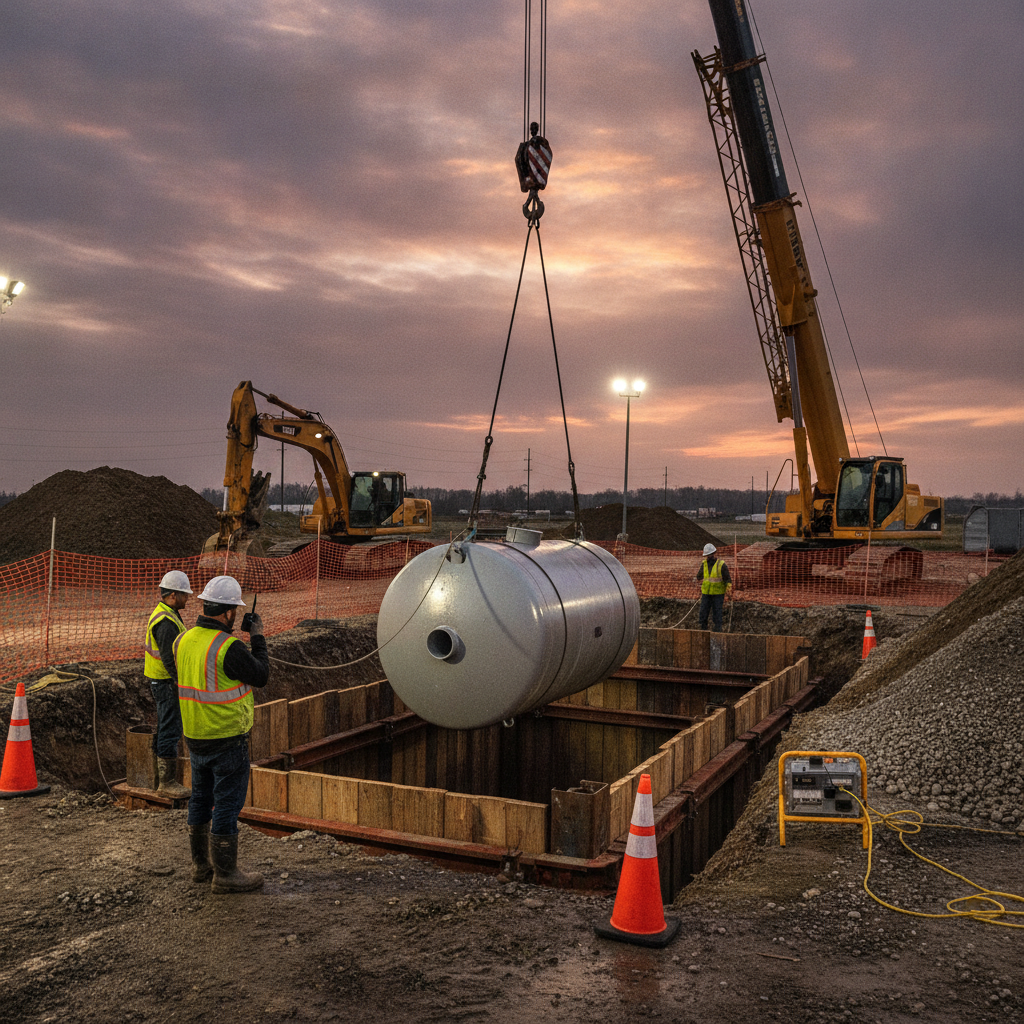
- Underground storage coordination: Align tank delivery, testing, and inspections with slab and canopy.
- Jobsite safety program: Establish PPE, equipment zones, and lift plans before mobilization.
If you’re exploring a convenience store program, see our Texas-focused overview on what makes C-store construction work and where planning creates the most schedule protection.
Best Practices to Avoid Costly Mistakes (2026)
The best practice is to freeze scope early, validate constructability, and protect the critical path with long-lead procurement and proactive permitting. Pair this with a safety-first culture and formal change control to keep field execution aligned with the plan.
Here’s a concise checklist we use before greenlighting mobilization.
- Scope freeze with sign-offs: No field work until drawings and selections are locked.
- Constructability review complete: Resolve clashes between architectural and MEP details.
- Permit matrix synced to schedule: Submittals match the planned start of affected work.
- Long-lead strategy: Identify alternates and pre-approve equivalents.
- Utility coordination: Confirm capacities, routes, and upgrade lead times.
- QA/QC plan: Define inspections and tests by phase.
- Safety plan: Pre-plan high-risk activities with controls and equipment.
- Change control: Tie every scope change to schedule and procurement impacts.
For a deeper dive into store-focused delivery, our practical guide to convenience store building outlines how prototype consistency speeds approvals and lowers operational risk.
Planning Tools and Owner Resources
Make the plan visible. Use a master schedule, risk register, permit matrix, and look-ahead boards. Keep owner decisions, submittals, inspections, and deliveries in one source of truth that the whole team updates weekly.
These are the tools and references we rely on to keep projects aligned.
Core artifacts we maintain
- Master CPM schedule with critical and near-critical paths
- Risk register with owners, triggers, and mitigations
- Permit/inspection matrix aligned to trade starts
- Submittal tracker with required-by dates
- Two- to four-week look-aheads validated by trade foremen
External reading (context and fundamentals)
For readers comparing perspectives on methods and safety culture, see these context pieces we reviewed while developing internal standards: an electrical construction overview from a publisher, a field safety checklist, and a permit application walkthrough. Each offers additional context to complement our Texas-focused approach.
- Electrical coordination context: electrical construction guide
- Field safety checklist: improve construction site safety
- Permitting walkthrough: construction permit application guide
Internally, we integrate these concepts into our Texas-specific playbooks, permit matrices, and inspection checklists.
Case Studies and Practical Examples
Real planning wins come from clarity and cadence. By sequencing permits, utilities, and long-lead items against a critical path, we’ve helped Texas owners avoid downtime and open closer to target seasons—even with coastal weather and evolving codes.
Below are example scenarios from work we perform for Texas owners developing fuel retail, commercial spaces, and homes.
Fuel retail: from raw land to opening
- Site selection and due diligence: Traffic patterns, access/egress, and utilities screened before offer.
- Environmental coordination: Earthwork, stormwater, and underground storage aligned with inspections.
- Vendor integration: Tanks, dispensers, and canopy packages sequenced to slab and MEP rough-ins.
- Result: Streamlined inspections and fewer rework cycles when tanks and lines test out cleanly.
Commercial build-out: retail and mixed-use
- Tenant criteria: Brand standards and equipment loads clarified early.
- Utilities and metering: Right-size services and meters to prevent late redesigns.
- Phased inspections: Package work to hit fast approvals and turnover targets.
Residential: custom home planning
- Design development: Budget guardrails align with elevations, finishes, and energy targets.
- Site prep and sequencing: Clearing, grading, and utilities mapped to slab and framing.
- Quality and safety: Inspections and checklists embedded by phase.
For more background on how we approach early-stage project questions, explore our notes on environmental planning in Texas and our overview of construction plans owners should request.
Owner Checklists and Mistakes to Avoid
Owners avoid overruns by insisting on signed scope, a permit matrix, utility confirmations, and a tested schedule. Document decisions, control changes, and verify long-lead releases. If any gate isn’t ready, pause mobilization—waiting a week beats losing a month to rework.
Five must-have checklists
- Scope and selections sign-off (drawings, finishes, equipment)
- Permit and inspection plan (submittals, durations, prerequisites)
- Utilities verification (capacities, routes, upgrades)
- Procurement releases (order dates, alternates, delivery windows)
- Safety and quality plan (inspections, tests, high-risk activities)
Top preventable mistakes we see
- Launching site work before permits are truly in hand
- Assuming utilities are ready without written confirmations
- Letting “minor” spec changes bypass schedule impact reviews
- Underestimating coastal weather and drainage requirements
- Skipping formal constructability with trades and vendors
If you’re planning a store program or a one-off site, our planning and development overview details the early decisions that set your opening date.
Mid-Project Course Corrections
When reality changes, update the baseline. Re-run the critical path, resequence inspections, and adjust procurement with pre-approved alternates. Communicate the new plan in writing, then hold a field huddle to align crews and inspectors on the next two to four weeks.
Even great plans meet surprises. What matters is fast, disciplined adaptation.
- Change triage: Log the issue, assign an owner, and estimate schedule impact.
- Schedule re-baseline: Refresh critical and near-critical paths; publish the delta.
- Material alternates: Activate pre-approved equivalents to protect milestones.
- Inspection adjustments: Rebook visits in sequences that maintain momentum.
- Field huddles: Align foremen on the two-week plan and constraints.
Owner Templates You Can Use Today
A simple, shared set of templates drives clarity. Start with a one-page project brief, a permit/inspection matrix, a risk register, and a two-week look-ahead. Keep updates weekly and require sign-offs for any scope or schedule changes.
- One-page project brief (objectives, constraints, brand standards)
- Permit and inspection matrix (prerequisites and durations)
- Risk register (trigger, probability, impact, mitigation)
- Two-week look-ahead (trade commitments, deliveries, inspections)
Owners who use these consistently see fewer surprises and easier handoffs to field teams.
Soft CTA: Want a 30-minute preconstruction review for a Galveston project? Our construction management team can walk your plan and highlight risks before you mobilize.
Frequently Asked Questions
Owners ask about timelines, permits, and how to protect schedules. The short answer: start early, document decisions, and align permits and long-lead items to your critical path. Below are crisp answers to the most common questions we hear in Texas.
What is construction planning in simple terms?
It’s the preconstruction process of defining scope, sequencing work, and securing permits so the job runs predictably. A solid plan clarifies decisions, orders long-lead items on time, and lines up inspections to keep crews moving without delays.
How early should I start permitting and utility coordination?
Start during design development. Map which permits gate which activities, then request utility capacity checks and upgrade timelines. Align submittals with the schedule so foundations, tanks, or framing never wait on paperwork or service changes.
What documents should my contractor provide before mobilization?
Ask for a signed scope, an issued-for-construction drawing set, a permit/inspection matrix, a master schedule with the critical path highlighted, a risk register, procurement releases for long-lead items, and a safety/quality plan by phase.
How does construction planning differ for gas stations and C-stores?
Fuel retail adds environmental reviews, underground storage coordination, and vendor equipment sequencing. Plan inspections, testing, and commissioning around tanks, lines, dispensers, and canopy work, then align civil and MEP milestones to pass each gate cleanly.
Conclusion
Construction planning turns complex builds into clear, executable roadmaps. Freeze scope, align permits, protect the critical path, and make decisions visible. That’s how Galveston owners move from intent to opening without surprises.
Key takeaways:
- Define scope and success criteria before design sprints too far.
- Use phase gates with owner approvals to control risk.
- Sequence permits, utilities, and long-lead items to the critical path.
- Document changes and re-baseline when reality shifts.
If you’re considering fuel retail, retail/mixed-use, or a custom home anywhere in Texas, our team in Galveston can coordinate planning, design, site preparation and excavation, and full construction management from land to completion. Explore our broader building construction overview and land construction guide to see how we approach the full journey.