
Environmental planning is the structured process of identifying, evaluating, and managing environmental factors that affect land development. It aligns projects with laws and local conditions to prevent delays and reduce risk. For Galveston builders like Tip Top Builders, it’s how we move from site selection to a safe, compliant opening—especially for fuel retail and commercial sites.
By Aftab Ali, Manager at Tip Top Builders
Last updated: 2026-05-18
Overview
Environmental planning organizes permitting, studies, and mitigation into a clear roadmap so construction can proceed safely and legally. The approach integrates site data, regulatory triggers, and design decisions early—reducing rework, preventing fines, and protecting timelines. It’s essential for gas stations, C-stores, and commercial builds across Texas.
We wrote this complete guide to help Texas developers, operators, and homeowners understand how environmental planning shapes a successful build. You’ll see how we apply it across planning and design, site preparation and excavation, and construction management in real projects statewide.
- What environmental planning is—and why it matters for Texas projects
- The step-by-step workflow from land to opening
- Methods, best practices, and tools we use on fuel retail and commercial jobs
- Mini case studies from cities we serve statewide
Want help tailoring this to your site? Explore our planning and design services and urban planning expertise to see how we align feasibility, code, and constructability from day one.
Local considerations for Galveston
- Account for coastal rainfall and high groundwater when sizing stormwater controls and selecting pavement sections. We design for rapid drainage and erosion resistance in coastal Texas conditions.
- Schedule earthwork around wet seasons; sediment controls must be installed and stabilized before major grading. Inspections typically occur at least every 14 days during active construction.
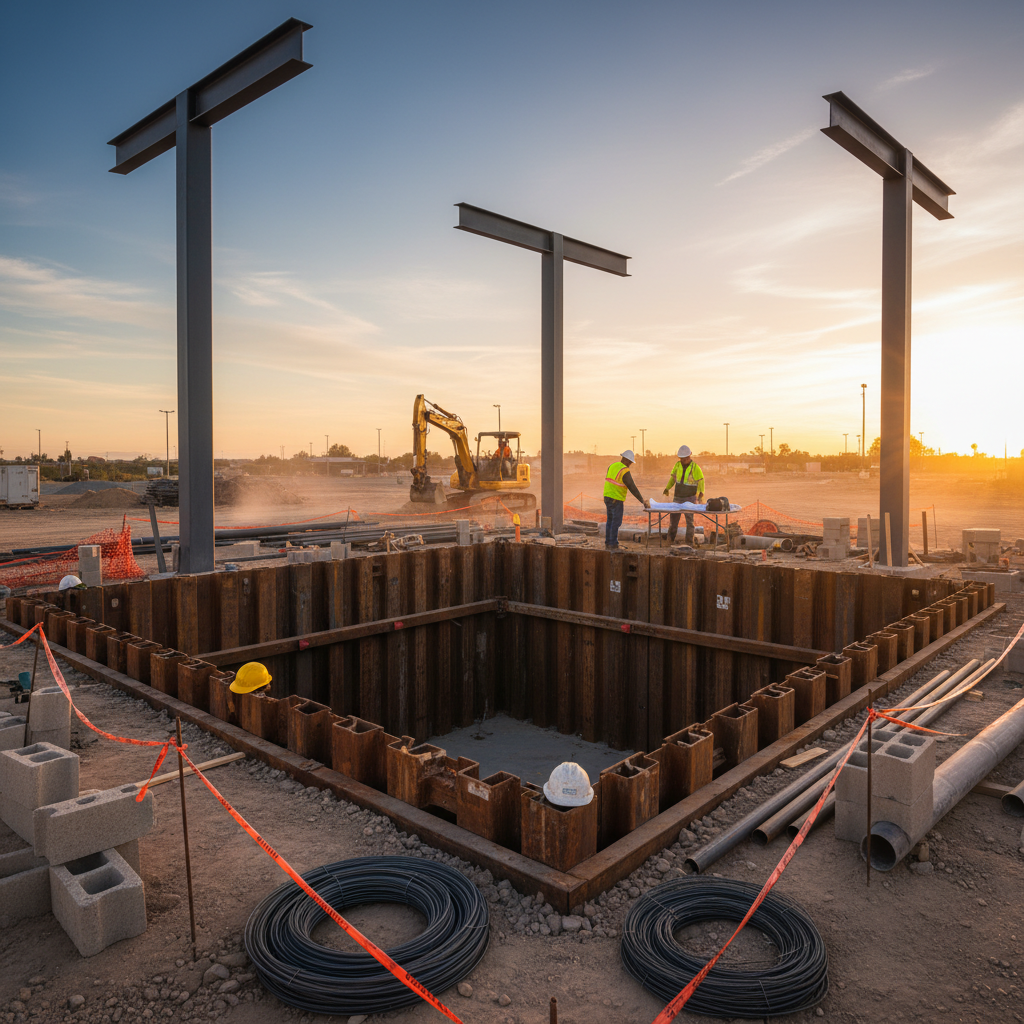
- Design fuel-system excavations with groundwater management in mind. Dewatering plans and shoring keep underground storage tank (UST) installs safe and compliant.
What Is Environmental Planning?
Environmental planning is the discipline of forecasting a project’s environmental impacts and integrating avoidance, minimization, and mitigation into design and construction. It turns compliance into a proactive plan—using studies, permits, and controls to deliver safe, resilient projects without schedule surprises.
At its core, environmental planning connects your site, scope, and schedule to the rules that govern them. For Texas work, that commonly includes stormwater (TPDES), wetlands and waters, protected species, cultural resources, air and noise, and solid and hazardous materials management. For fuel retail, add UST/AST regulations, spill prevention, and fire code interfaces.
For Tip Top Builders, the outcome is simple: fewer unknowns and cleaner handoffs between permitting, design, and field execution. When planning starts early, constructability improves, and the job moves with fewer RFIs and change orders.
Why Environmental Planning Matters for Texas Construction
Good environmental planning safeguards public health, reduces legal exposure, and protects your schedule. Integrating requirements early eliminates redesign, prevents penalties, and keeps inspections straightforward—vital for gas stations, C-stores, and mixed-use sites where fuel systems and utilities add extra risk.
Why does this matter to you? Because delays multiply. A missed buffer around a wetland, an undersized detention basin, or a late stormwater plan can halt grading within hours. In our experience, the projects that start with a clear regulatory map and site-specific controls avoid the majority of midstream stoppages.
- Schedule certainty: Typical construction stormwater permits require a Stormwater Pollution Prevention Plan (SWPPP) and routine inspections—often at least once every 14 days or after qualifying rain. When these are ready before mobilization, crews keep moving.
- Risk management: Fuel sites store large volumes of product. Thoughtful secondary containment, overfill protection, and spill response planning reduce incident probability and speed recovery.
- Capital protection: Rework from noncompliance is expensive in time and materials. Designing controls into the drawings avoids late-stage fixes.
- Community trust: Dust, noise, and runoff controls reduce complaints. A predictable jobsite builds goodwill with neighbors and local authorities.
We align environmental planning with our construction management framework, so permitting gates, procurement, and field activities support each other. That integration is how we deliver complex Texas sites on predictable timelines.
How Environmental Planning Works: From Site Selection to Opening
The environmental planning workflow sequences due diligence, permits, design decisions, and field controls. You evaluate constraints first, integrate them into drawings, secure approvals, then build with documented inspections and as-builts. Done right, the same plan that satisfies regulators also streamlines construction.
Here’s how we organize the path for Texas fuel retail, commercial, and residential sites.
Step-by-step workflow
- Site screening and selection: Review zoning, traffic access, flood zones, and potential environmental red flags. Early feasibility prevents buying land that can’t permit.
- Phase I Environmental Site Assessment (ESA): Identify recognized environmental conditions (RECs) and data gaps. If needed, plan Phase II sampling to confirm or clear risks.
- Jurisdictional waters and buffers: Evaluate wetlands/waters and required setbacks. Adjust layout to avoid impacts wherever possible.
- Stormwater strategy: Size detention, water quality controls, and outlet structures. Prepare SWPPP and select inspection cadence consistent with permits.
- Fuel-system compliance: Coordinate UST design (double-walled piping, containment sumps, overfill) with fire code, spill protection, and pavement sections.
- Design integration: Lock in grading, utilities, and erosion and sediment controls (ESC) on the civil set. Detail sequencing so controls go in before major earthwork.
- Permitting and notices: Submit stormwater coverage, local permits, and applicable notices. Document responsible parties and inspection methods.
- Construction and inspections: Install BMPs, then conduct routine inspections (often at least biweekly) and after qualifying rain. Keep redline and photo logs current.
- Closeout and stabilization: Achieve final stabilization, remove temporary controls, file termination notices, and compile as-built documents and O&M guidance.
Coordinating utilities is also critical. Preconstruction water and sewer planning prevents conflicts with ESC measures and fuel-system excavations. For a helpful primer that broadens planning thinking around exterior utilities, this overview on outdoor plumbing planning shows why early utility routing matters.
Who does what—and when
| Stage | Primary Owner | Key Deliverables | Milestone |
|---|---|---|---|
| Feasibility | Owner + Tip Top (Planning & Design) | High-level constraints map, zoning check, access review | Go/No-Go |
| Due Diligence | Environmental Professional | Phase I ESA, wetlands screen, cultural resources screen | Findings report |
| Preconstruction Design | Tip Top + Civil Engineer | Grading plan, ESC plan, detention/water quality sizing | Issued for Permit |
| Permitting | Tip Top (CM) | SWPPP, stormwater coverage, local approvals | Permit receipt |
| Construction | Tip Top (Field) | BMP installation, inspection logs, corrective actions | Substantial completion |
| Closeout | Owner + Tip Top | Final stabilization, NOT filing, as-builts | Turnover |
During earthwork, we stage ESC measures in the work breakdown structure. Silt fence, stabilized construction entrances, and inlet protection come first, then grading advances. This sequencing is baked into our site preparation and excavation approach so controls stay ahead of the dozers.

Types, Methods, and Approaches
Effective environmental planning combines due diligence, impact avoidance, engineered controls, and documented inspections. The right mix depends on scope and location. For fuel retail, planning extends to UST/AST compliance, spill prevention, and fire-code coordination integrated with stormwater and grading.
Core planning components
- Environmental due diligence: Phase I/II ESAs assess legacy risks before you buy or build.
- Resource screening: Wetlands/waters, floodplains, protected habitats, archeology, and cultural resources.
- Stormwater planning (SWPPP): Detention, water quality, ESC details, inspection cadence, and documentation.
- Materials and waste: Construction debris separation, used oil and filters, spill kits, and manifesting where required.
- Air and noise: Dust suppression, equipment idling policies, and generator permitting when applicable.
- Fuel-system compliance: Double-wall tanks and piping, secondary containment, monitoring, and overfill/under-dispenser protections.
Design strategies that pay off
- Avoid before you mitigate: Re‑site driveways and canopies to sidestep buffers and reduce detention volumes.
- Phase grading: Keep disturbed acreage under thresholds where practical; smaller active areas are easier to control.
- Build controls into the base bid: Specify stabilized entrances, inlet protection, and construction phasing as bid items to avoid value-engineering them out.
- Close the loop: Tie inspection findings to immediate corrective work orders and photos; transparency shortens punch lists.
For broader thinking on sustainable material handling, this primer on recycling construction scrap highlights how planned reuse and recycling reduce waste streams while keeping jobsites tidy.
Best Practices for Gas Stations and C-Stores
Fuel retail projects succeed when stormwater, UST compliance, and construction sequencing are aligned. Prioritize double-wall systems, early SWPPP preparation, and erosion controls installed before heavy grading. Clear inspection logs and spill-readiness keep authorities confident and crews productive.
Fuel-system focus
- Detail the tank field: Show trench dimensions, shoring, and groundwater control. Confirm backfill spec and compaction for long-term pavement performance.
- Secondary containment and monitoring: Double-wall tanks/piping, monitored sumps, shear valves, and overfill prevention engineered into the package.
- Spill planning: Identify product transfer areas, keep stocked spill kits on all shifts, and train crews before fuel delivery equipment arrives.
Stormwater and ESC discipline
- Install ESC first: Stabilized entrances, perimeter controls, and inlet protection precede mass grading. Inspection frequency is documented and followed.
- Manage stockpiles: Cover or stabilize long-standing piles; place away from inlets and property lines.
- Sequence paving smartly: Binder course first for access and dust control; final surface after heavy trades are complete.
Operations and safety
- Fire and building code alignment: Coordinate canopy clearances, dispenser spacing, and egress with local reviewers early.
- Training and documentation: Toolbox talks, SWPPP binders, and quick reference sheets for spill response keep everyone aligned.
- Turnover readiness: As-builts, O&M, and vendor start-up checklists are compiled as work progresses—not at the end.
We embed these practices in our urban planning and planning and design deliverables so the permit set doubles as a field-ready playbook.
Tools and Resources We Use
We standardize environmental planning with checklists, inspection apps, and annotated plan sets. Templates for SWPPP, ESC, and fuel-system commissioning reduce rework. When everyone sees the same playbook, permitting, procurement, and field execution stay synchronized.
Field and office toolkit
- Annotated civil sheets: ESC callouts, sequencing notes, and inspection locations.
- Inspection and photo logs: Digital forms timestamp findings and tie to corrective work orders.
- Standard operating procedures: Spill response, fueling area housekeeping, and dewatering protocols.
- Training rhythm: Weekly toolbox talks anchored to current site risks.
If you want a broader perspective on how structured planning frameworks support execution disciplines, this overview of the project environment demonstrates why aligning stakeholders and constraints early pays dividends during delivery.
For owners evaluating delivery structures, our perspective on EPCM vs. CM explains how responsibilities shift—and how we maintain environmental controls under different models.
Case Studies and Examples (Texas Projects)
On Texas fuel and retail projects, proactive environmental planning consistently shortens schedules. When SWPPP, ESC, and fuel-system details are finalized before mobilization, we’ve seen smoother inspections, fewer stoppages, and cleaner turnover—whether in coastal, urban, or inland conditions.
Galveston coastal fuel site
Challenge: High groundwater and intense, short-duration rain events. Plan: We sequenced shoring and dewatering for UST excavation, installed inlet protection before pavement demo, and staged stabilization ahead of storms. Result: No weather-related stoppages; SWPPP inspections stayed green through rainy weeks.
College Station retail pad with detention
Challenge: Integrating a regional detention requirement with tight access. Plan: We right-sized the basin and adjusted driveway geometry to maintain queues outside the right-of-way. Result: Layout met traffic needs while satisfying downstream water quality requirements.
Austin mixed-use pad in active corridor
Challenge: Dust and noise near residences. Plan: Water trucks, phasing to limit open areas, and clear quiet-hour coordination. Result: Minimal neighbor complaints and on-time inspections.
Beaumont convenience store rebuild
Challenge: Legacy REC flagged in Phase I ESA. Plan: Performed targeted sampling and coordinated disposal protocols in the demo scope. Result: Cleared the REC with documented manifests and avoided surprises during reconstruction.
These examples reflect how our integrated approach—planning, site prep, and management—keeps projects on track statewide.
Frequently Asked Questions
Developers ask about timelines, permits, and fuel-system specifics. The short answer: start environmental planning early, align it with design decisions, and document everything. That’s how you avoid delays and pass inspections the first time.
What does a SWPPP include for Texas construction?
A Stormwater Pollution Prevention Plan defines erosion and sediment controls, inspection frequency, stabilization methods, and responsible parties. It also documents site maps, sequencing, and corrective actions. On active jobs, inspections typically occur at least every 14 days or after qualifying rain, with photo logs kept current.
How early should environmental planning start?
Begin during site selection. Screening for wetlands, floodplains, traffic access, and potential RECs informs offers and prevents buying land that’s hard to permit. Early planning also lets civil design absorb detention, buffers, and fuel-system requirements without costly redesigns.
What’s different about gas station environmental planning?
Fuel retail adds UST/AST compliance, spill prevention, and fire-code integration to the typical stormwater and grading scope. We specify secondary containment, monitoring, and overfill prevention, and we sequence shoring, dewatering, and paving so inspections move quickly and safely.
Do you handle permits and inspections?
Yes. We coordinate notices, stormwater coverage, and local reviews. In the field, we install controls first, then keep inspection logs and photos updated. When requirements are designed and documented up front, permits and inspections become predictable gates—not roadblocks.
Key Takeaways
Start environmental planning early, design controls into the drawings, and sequence inspections with the work. On Texas fuel and retail sites, this approach preserves schedule, reduces risk, and delivers a smooth handoff to operations.
- Environmental planning connects rules to design and build sequencing.
- Stormwater, ESC, and fuel-system details should be finalized pre-mobilization.
- Routine inspections and photo logs keep compliance visible and fast.
- Integrated planning shortens schedules and minimizes rework.
Conclusion and Next Steps
Environmental planning turns compliance into a construction advantage. When permits, ESC, and fuel-system details are coordinated early, Texas projects move faster and finish cleaner. That’s the practical edge we bring to gas stations, C-stores, and commercial builds.
Here’s the thing: the sooner we map constraints and sequence controls, the easier everything else becomes—from procurement to inspections. If you’re evaluating a site in Galveston or anywhere in Texas, we’ll align feasibility, permitting, and constructability so you can build with confidence.
Ready to plan your site? Explore our planning and design offerings or our urban planning services, and let’s schedule a brief consultation to chart your path to a safe, compliant opening.