
Gas station construction companies are specialized contractors that plan, permit, and build fuel retail locations from raw land to opening. In Galveston, the right partner orchestrates site selection, environmental reviews, tank installation, canopy and C‑store construction, and inspections—reducing delays and protecting your investment with rigorous safety and code compliance.
By Aftab Ali — Tip Top Builders
Last updated: June 26, 2026
Summary & Table of Contents
This complete guide shows owners how to choose, plan, and execute a gas station build with fewer delays. You’ll see what top builders actually do, why process discipline matters, how regulated fuel systems are installed, and which best practices keep schedules and quality on track in Galveston and across Texas.
Use this page as a working reference as you move from concept to ribbon cutting. Inside, you’ll find definitions, step-by-step workflows, delivery methods, best practices, tools, and real Texas examples from Tip Top Builders’ land‑to‑opening program.
- What is a gas station builder?
- Why the right builder matters
- How the process works
- Project delivery methods
- Field‑proven best practices
- Tools and resources
- Texas case studies
- How to choose a builder
- FAQ
- Key takeaways
- Conclusion
What is a gas station builder?
A gas station builder is a specialized contractor that delivers fuel retail and convenience store projects end‑to‑end: site selection, permitting, environmental assessments, excavation, underground storage tank (UST) systems, C‑store construction, inspections, and commissioning. The best firms integrate safety and compliance at every step to prevent rework and schedule slips.
At Tip Top Builders, we combine planning and design, site preparation and excavation, and full‑scope construction management into one accountable workflow. That single‑threaded approach—coordinated from our Galveston base—keeps decisions fast and documentation clean for authorities across Texas.
Scope you should expect
- Preconstruction: market inputs, site selection support, access studies, conceptual layouts, schedule/risk plans.
- Permits & approvals: zoning and land use, stormwater, fire marshal, fuel system submittals, accessibility and signage.
- Site work: clearing, grading, utility coordination, drainage structures, concrete paving prep, canopy foundations.
- Fuel systems: USTs and piping, sumps, monitoring, emergency shutoffs, leak detection, and required third‑party inspections.
- C‑store build: shell, MEP trades, refrigeration rough‑ins, food‑service health code provisions, finishes and equipment.
- Commissioning: start‑up, QA documentation, staff training, and final occupancy coordination.
We also advise on store layouts, canopy bay count, and traffic flow—decisions that affect daily revenue and long‑term maintenance. For C‑store design support, see our architecture & design services and our Texas‑focused convenience store construction guide.
Why choosing the right builder matters
Experienced gas station construction companies lower risk, compress timelines, and safeguard compliance. In regulated builds, missed submittals or sequencing errors can trigger re‑inspections or redesigns. Proven leadership, clean documentation, and daily field controls are the difference between on‑time openings and months of delay.
Fuel systems add layered oversight—environmental rules, fire codes, accessibility standards, and municipal conditions. Owners who centralize accountability see fewer surprises and faster approvals. In our experience across Texas, early pathfinding for permits and utilities prevents backtracking once crews mobilize.
What’s at stake for owners
- Schedule integrity: Locked sequences for permitting, utilities, and inspections protect the critical path.
- Safety and quality: Documented trench shoring, compaction tests, and photo logs reduce incidents and rework.
- Store performance: Optimized layouts, parking, and adjacency planning improve basket size and throughput.
- Regulatory confidence: Code‑traceable submittals help inspectors approve on the first visit.
We build this discipline into our construction management framework, aligning weekly look‑aheads with procurement and inspection calendars so each milestone is ready on Day 1.
How gas station construction works: step‑by‑step
Fuel retail projects follow a clear arc: due diligence, entitlements, construction documents, site and fuel work, building construction, inspections, and commissioning. Treat each phase as a gate with owners, checklists, and documentation—your opening date depends on it.
Below is the process we use statewide, adapted for Galveston’s coastal conditions. You can adapt this checklist as a live control plan for your project.
Step‑by‑step workflow
- Market inputs: traffic, competitor mapping, and access studies inform site shortlisting.
- Site selection & land acquisition: verify zoning compatibility and utility availability early.
- Environmental due diligence: Phase I ESA and geotechnical exploration guide tank design and subgrades.
- Conceptual design: canopy bay count, dispenser spacing, turning radii, store footprint, and parking.
- Permitting strategy: sequence land use, stormwater, and fuel system submittals to align inspections.
- Construction documents: coordinated civil, architectural, structural, and MEP sets with fuel details.
- Procurement: release long‑lead items—USTs, dispensers, walk‑ins, switchgear—on early timelines.
- Site prep & excavation: clearing, cut/fill, utilities, drainage, proof‑rolls, and paving section prep.
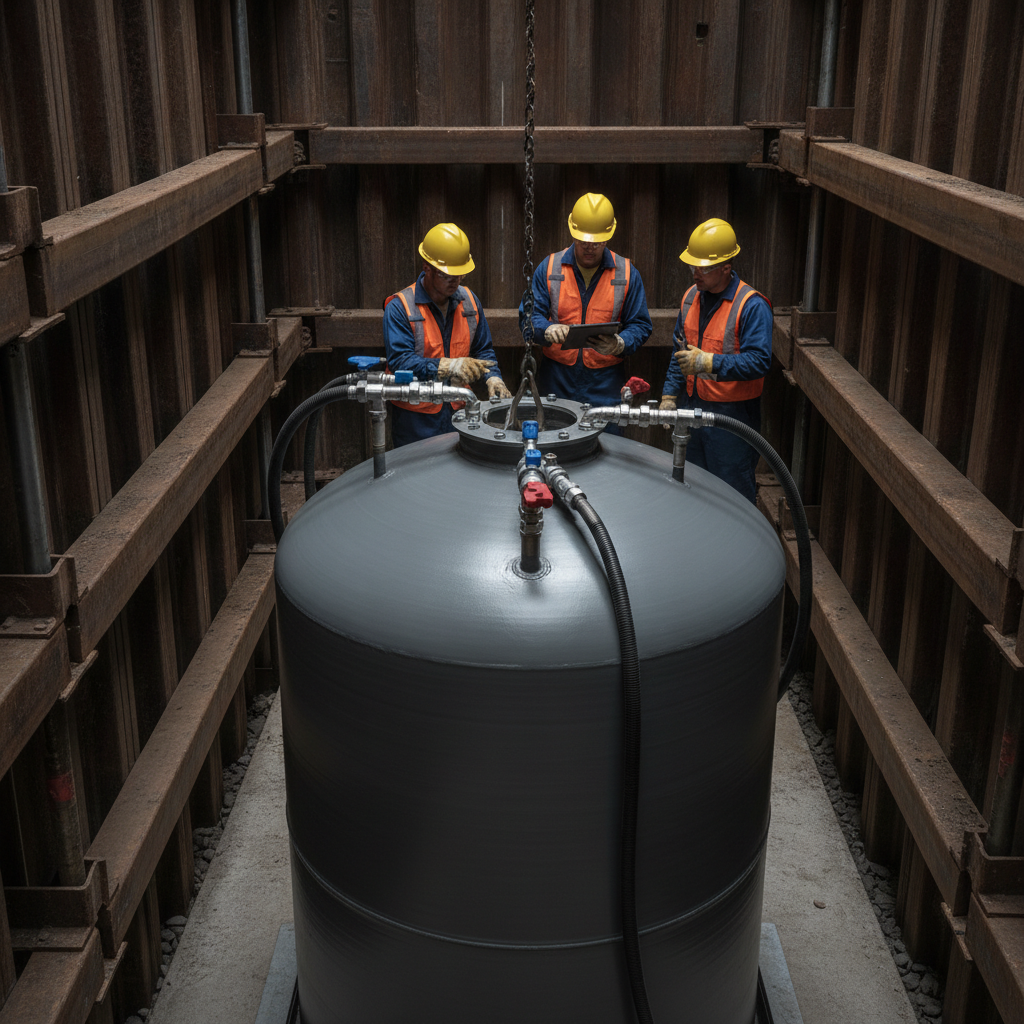
- UST installation: trenching with shoring, bedding, setting tanks, piping, sumps, monitoring, integrity tests.
- Building & canopy: foundations, steel, envelope, roofing, canopy electrical, and lighting systems.
- Interior build‑out: MEP rough‑ins, drywall, tile, casework, refrigeration, and POS/data infrastructure.
- Inspections & commissioning: confirm fuel integrity, life safety, and store operations; stage training.
- Handover: closeout docs, warranties, O&M manuals, and as‑builts for future maintenance.
Owners who document each gate—and verify prerequisites before calling for inspection—achieve smoother approvals and more predictable openings. For adjacent scope like canopy steel and lighting cues, see our gas station canopy guide.
Project delivery methods for fuel retail
Design‑Bid‑Build, Design‑Build, and CM‑at‑Risk all work for gas stations, but Design‑Build often shortens schedules by unifying design and construction under one accountable team. Choose based on schedule pressure, risk tolerance, and how much fuel‑system expertise you need in preconstruction.
In Texas, we frequently see owners prioritize speed‑to‑market. When that’s the driver, Design‑Build reduces handoffs and RFIs. Where municipalities are complex, CM‑at‑Risk enables early cost/risk input while maintaining collaborative control. Whatever you select, demand fuel‑system credentials and a documented precon playbook.
| Method | Owner Control | Speed‑to‑Market | Best For |
|---|---|---|---|
| Design‑Bid‑Build | High during design | Moderate | Stable scope; competitive bidding |
| Design‑Build | Moderate (single point) | Fast | Schedule‑driven projects; fewer handoffs |
| CM‑at‑Risk | High (collaborative) | Fast‑Moderate | Complex sites; early risk input |
Not sure which fits your site? Our complete construction services team can map the trade‑offs with a delivery matrix and sample schedules.
Best practices that protect your opening date
Front‑load risk. Lock permits, utilities, and long‑lead procurement early. Then run field work with daily controls: safety huddles, inspection checklists, and look‑ahead schedules. This rhythm limits surprises and keeps inspectors, vendors, and crews aligned from first dig to grand opening.
Here are practices we use on Texas fuel retail sites to hold the date without sacrificing safety or quality.
Permitting and design discipline
- Permit pathfinding: build a matrix of approvals, lead times, prerequisites, and contact names; submit in the right order.
- Design coordination: 30/60/90% clash reviews across civil, fuel, and electrical; verify canopy loads and panel space.
- Authority alignment: schedule pre‑submittal meetings to confirm drawing expectations and inspection sequences.
Procurement and logistics
- Long‑lead tracking: release USTs, canopy steel, switchgear, and walk‑ins early; log promised ship dates.
- Just‑in‑time staging: protect subgrades and maintain clean inspector access; sequence deliveries for tight sites.
- Photo documentation: daily geo‑tagged photos by trade provide proof during inspections and closeout.
Safety and QA/QC
- Daily JHAs and toolbox talks; reinforce trench safety and equipment lock‑out.
- Compaction testing and proof‑rolls before paving; document results for inspectors.
- Pre‑inspection checks: dry‑run fuel integrity tests and life safety verifications before calling officials.
Our building design & construction approach ties look‑aheads to procurement and inspection calendars, so each milestone is ready the moment crews finish the preceding task.
Tools and resources for regulated fuel builds
Anchor your project to code‑traceable references and clear checklists. Pair national fire and life‑safety guidance with state environmental rules and internal scripts for inspections. Align submittals to those standards so reviewers can approve quickly—without back‑and‑forth or redesign.
Use these resources to strengthen your drawings, submittals, and inspection planning. Share them with your design team and builder so everyone cites the same playbook.
- Electrical construction fundamentals that influence canopy lighting and dispenser circuits are summarized in this practical electrical construction guide.
- Material logistics affect the schedule; see this note on timely rebar delivery for project success when planning pour sequences.
- For a builder’s perspective on planning and coordination, review this general construction company guide and adapt the concepts to regulated fuel retail.
Ask your contractor to produce a code‑traceable submittal index that points reviewers to exact sections for fuel systems, fire protection, accessibility, and electrical. Clarity speeds approvals.
Texas examples and mini case studies
These brief examples from our Texas portfolio show how early risk discovery and tight coordination protect schedules. Each highlights the constraint we faced, the action we took, and the outcome—patterns you can apply on your site.
Galveston coastal site. High water table threatened UST buoyancy during spring rains. We specified engineered bedding, hold‑downs, and monitored dewatering. Result: tank install kept its inspection window without rework.
Beaumont arterial corridor. Preconstruction utility conflict with storm drainage emerged. Coordinated redesign before mobilization avoided field changes and preserved paving milestones.
College Station growth area. Concurrent agency reviews created permit ping‑pong. We sequenced submittals and grouped inspections, cutting touchpoints and accelerating approvals.
Austin infill lot. Tight laydown made damage likely. Just‑in‑time deliveries and subgrade protection prevented failures and kept inspections clean.
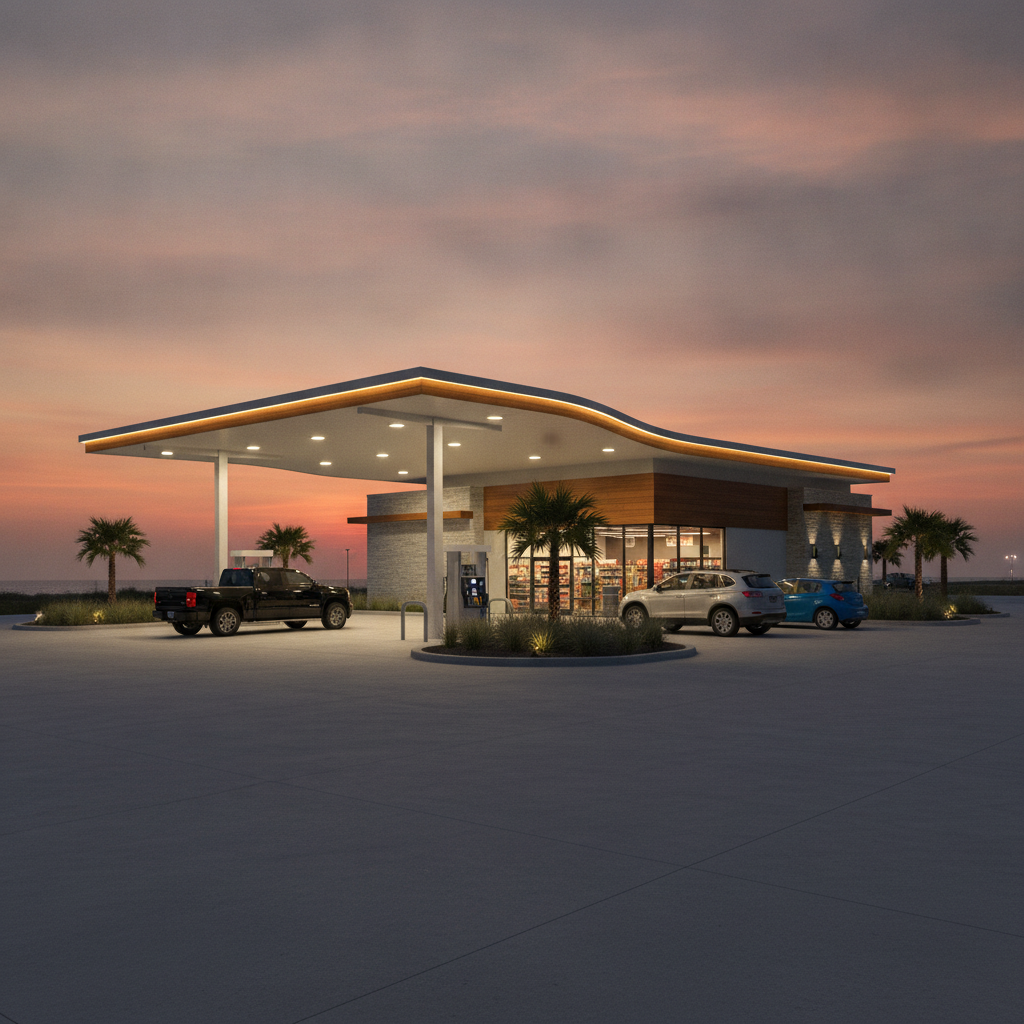
Local considerations for Galveston
- Plan for stormwater and temporary dewatering in wetter months; sequence inspections around forecast windows.
- Account for coastal corrosion exposure with protective coatings and hardware across canopy, tanks, and piping.
- Stage materials to prevent wind‑driven damage and keep access clear for city inspections and utility crews.
Planning consult (no obligation): Share your concept and timeline. We’ll outline a permit path, long‑lead plan, and a preliminary risk register—so you can move fast with confidence. Explore our complete construction services or speak with our construction management team.
How to choose a gas station construction company
Evaluate Texas fuel‑system credentials, permitting experience, safety record, and a documented preconstruction process. Ask for recent checklists, inspector sign‑offs, and a sample permit matrix. You want a builder who owns schedule risk—not one who reacts to it after delays appear.
When we advise entrepreneurs and operators, we focus on proof—not promises. The right partner will show you real inspection logs, photo documentation, and weekly reports with look‑ahead tasks tied to permit requirements.
Evaluation checklist
- Texas footprint: recent fuel/C‑store projects and coordination with local authorities.
- Compliance leadership: familiarity with environmental, fire, and accessibility rules; code‑traceable submittals.
- Safety culture: daily JHAs, trench safety, compaction testing records, and field photo logs.
- Communication: single point of contact, weekly reports, proactive RFIs, and owner‑friendly dashboards.
- References: owners whose stations opened on the promised date.
Tip Top Builders brings a turnkey, land‑to‑opening program—planning & design, construction management, and C‑store construction—coordinated from Galveston and deployed statewide.
Frequently Asked Questions
Owners usually ask about permits, timelines, delivery methods, and inspections. These concise answers address the most common planning questions for new gas stations and convenience stores in Texas.
What permits are required for a new gas station?
Most projects require land use and zoning approvals, stormwater permits, building permits, fuel system registrations, and fire/life safety reviews. Many jurisdictions sequence reviews; using a permit matrix and early meetings helps align submittals and inspections so approvals move faster.
Which delivery method works best for fuel retail?
Design‑Build often accelerates schedules by unifying design and construction under one team, while CM‑at‑Risk supports collaborative preconstruction in complex municipalities. Choose based on schedule pressure, risk tolerance, and how much early fuel‑system coordination you need.
Do you help with site selection and land acquisition?
Yes. We support market inputs, site shortlisting, due diligence, and access analysis. Early involvement helps avoid utility conflicts and zoning surprises that can add time and complexity later in the project.
How do you reduce inspection delays?
Use clean, code‑traceable submittals, maintain daily photo logs, and pre‑test systems before calling for inspection. Where allowed, group inspections to minimize site disruptions and verify prerequisites so reviews pass on the first visit.
Key takeaways
Fuel retail success comes from front‑loaded risk management, disciplined preconstruction, and tight field controls. Choose a partner that leads permitting, coordinates fuel systems, and documents every inspection step—so your opening date holds.
- Unify planning, permitting, and build with one accountable team.
- Sequence approvals and inspections to avoid rework.
- Release long‑leads early and track ship dates.
- Run daily safety and QA/QC with photo documentation.
- Pre‑test systems and commission with scripted checks.
Conclusion
The fastest path to a successful gas station opening is a builder that owns the process end‑to‑end. With disciplined planning, code‑traceable submittals, and proactive field control, you’ll minimize risk and reach opening day with confidence.
From Galveston, Tip Top Builders supports entrepreneurs and operators across Texas with a turnkey, land‑to‑opening program—planning & design, site preparation & excavation, and construction management—so you can focus on operations while we deliver your site.