
Residential design is the end-to-end planning and architectural process that turns a homeowner’s goals into buildable plans—balancing function, aesthetics, codes, and site realities. In Galveston and across Texas, Tip Top Builders guides this process from concept to construction, coordinating permits, site preparation, and construction management so your home is designed right and delivered on schedule.
By Aftab Ali · Manager, Tip Top Builders
Last updated: 2026-06-01
Quick Summary and Table of Contents
This guide explains residential design from first sketch to final walk-through. You’ll learn what it is, why it matters, how it works step-by-step, best practices, tools, case examples, and local tips for Galveston. Use it to plan smarter, avoid delays, and align design choices with permitting, site prep, and construction.
Use this at-a-glance plan to understand each stage and coordinate decisions at the right time. Our Texas team integrates planning and design, permitting support, site preparation and excavation, and construction management into one streamlined path.
- Definition and core outcomes of residential design
- Why design impacts budget, schedule, and quality
- Step-by-step process from discovery to handover
- Design methods: design-bid-build vs design-build
- Permitting, zoning, and environmental checkpoints
- Energy, safety, and sustainability considerations
- Tools and resources we use with Texas homeowners
- Mini case examples from our Texas footprint
Local considerations for Galveston
- Account for wind and flood exposure with resilient elevations, roof systems, and drainage planning that meet local code reviews and inspections.
- Time key milestones around seasonal rain and hurricane windows so surveys, foundation work, and framing avoid weather-related rework.
- Coordinate utilities and inspections early; coastal projects often involve extra review steps and documentation that add 1–2 weeks to approvals.
What Is Residential Design?
Residential design is the structured planning and architectural development of a home—from needs analysis and space planning to code-compliant drawings—so builders can price, permit, and construct accurately. Done right, it integrates site conditions, safety, and sustainability to produce clear documents that reduce RFIs, change orders, and schedule risk.
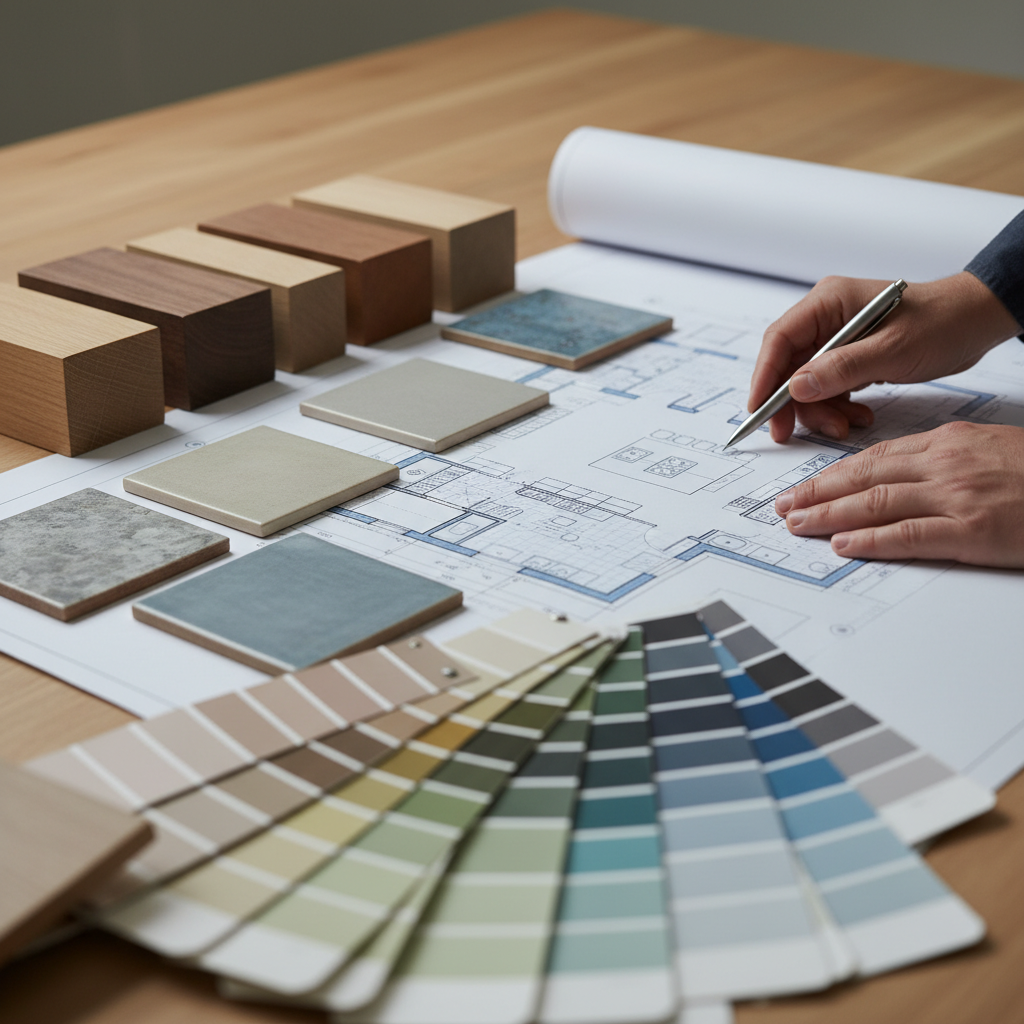
When people say “design,” they often picture finishes. In practice, residential design aligns four essentials: your goals, site realities, the building code, and a construction-ready drawing set. That drawing set—plans, elevations, sections, details, and schedules—guides trades through thousands of decisions.
- Program and priorities: Bedrooms, baths, storage, accessibility, and must-have adjacencies translated into measurable square footage.
- Site integration: Orientation, drainage patterns, utilities, soil, and setbacks turn into slab heights, roof pitches, and window placements.
- Compliance: Local code, zoning, and inspections are mapped to the plan set so reviews move in weeks, not months.
- Constructability: Framing schemes, spans, and material selections minimize waste and prevent rework.
At Tip Top Builders, residential design is never isolated. Our planning and design team collaborates daily with site preparation and construction management so the drawings you approve can be permitted, excavated, framed, and finished without surprises.
Why Residential Design Matters
Good design protects your budget and schedule. Clear drawings reduce change orders, compress permitting reviews, and enable trades to price precisely. In Texas coastal contexts like Galveston, resilient detailing and accurate elevations also safeguard your home against wind, moisture, and flood-related risks.
The fastest way to lose time is to draw first and verify later. Every unclear note becomes a question in the field; every missing detail invites an assumption. Both add days. Well-sequenced residential design prevents those delays with verified dimensions, coordinated sections, and specified products that installers trust.
- Schedule compression: Coordinated drawings can remove entire RFI cycles, saving 10–15 calendar days during framing and MEP rough-in.
- Quality assurance: Detailing for coastal durability—flashing, WRBs, strapping—reduces callbacks in the first 12 months.
- Permitting velocity: A complete set with responses ready for common comments often clears the next review in 3–5 business days.
- Better bids: Aligned scopes let you compare apples to apples across vendors and hold pricing through procurement windows.
Our Texas clients tell us the biggest surprise is how design touches everything: driveway drainage affects slab height; slab height drives step counts; step counts drive accessibility and furniture placement. That’s why we connect planning and design with excavation and construction management from the start.
How Residential Design Works (Step-by-Step)
Residential design moves through discovery, concept, schematic, design development, and construction documents—then permitting, site prep, and build. Tip Top Builders manages each checkpoint, aligning drawings with code, soils, utilities, and trades so your home moves from paper to ribbon-cutting without costly backtracking.
Here’s how we structure a typical Texas home project. Timelines vary by jurisdiction, complexity, and site conditions, but the sequence is consistent and predictable when coordinated well.
- Discovery and goals (1–2 weeks): We document priorities, square footage targets, finishes, and budget tolerances. Early utility research and setback checks start here.
- Site analysis and surveys (1–3 weeks): Topography, soil indicators, and drainage guide elevations and foundation strategy. In coastal zones, we plan for wind and water paths from day one.
- Concept design (2–3 weeks): Test-fit plans show room adjacencies and traffic flow. Simple massing studies validate roof forms and natural light.
- Schematic design (2–4 weeks): Floor plans, exterior elevations, and a preliminary structural concept. Early selections narrow MEP routes and framing spans.
- Design development (3–5 weeks): Sections, details, window/door schedules, and outline specs. We align selections with local availability to protect lead times.
- Construction documents (2–4 weeks): Final plans suitable for permitting and builder pricing, including notes that limit RFIs during the build.
- Permitting and approvals (timelines vary): We prepare submittals and coordinate responses to comments until approved.
- Site preparation and excavation (1–3 weeks): Clearing, grading, and utilities. We confirm cut/fill, compaction, and drainage elevations against the drawings.
- Construction and inspections: Foundation, framing, MEP rough-in, insulation, drywall, and finishes proceed with milestone inspections.
Because Tip Top Builders also handles site preparation and construction management, details drawn on paper are validated against equipment capabilities, material logistics, and inspector expectations before you ever break ground.
Design Approaches and Delivery Models
Most Texas homes use either design-bid-build or design-build. Design-bid-build separates the designer and builder; design-build unifies them under one contract. We help clients choose the model that best fits schedule control, scope clarity, and risk tolerance for their specific site and goals.
The right approach depends on whether you value single-point accountability or competitive bidding. Here’s a practical comparison to anchor your decision-making.
| Factor | Design-Bid-Build | Design-Build |
|---|---|---|
| Contracts | Separate designer and builder | Single integrated team |
| Schedule control | Linear; gaps between phases | Overlapping phases; faster starts |
| Change management | Higher RFI/change-order potential | Coordinated changes; fewer RFIs |
| Pricing | Competitive bids on final set | Open-book options; early pricing |
| Risk | Client manages designer–builder gap | Single-point accountability |
| Best when | Scope is fixed; time is flexible | Schedule matters; scope evolves |
Tip Top Builders often recommends design-build for homeowners who want firm schedules and fewer handoffs. It improves constructability feedback during drawings and shortens procurement by weeks because trades are aligned while details are still maturing.
Permitting, Zoning, and Environmental Checkpoints
Permitting success starts in design. We map zoning, setbacks, height limits, and flood or wind criteria onto the drawings, pre-answer common reviewer questions, and package submittals cleanly. Early diligence avoids resubmittals and protects starts, especially on coastal or infill lots with stricter requirements.
Permits are not paperwork—they’re milestones tied to specific drawings and site data. We build approval pathways into your design calendar and track three checkpoints tightly: zoning fit, building code compliance, and site/environmental constraints.
- Zoning fit: Verify use, lot coverage, setbacks, height, parking counts, and driveway geometry before schematic design locks dimensions.
- Building code: Egress, stair geometry, guard/handrail details, fire separation, and energy envelope details (insulation, windows, air sealing).
- Environmental/site: Drainage plans, soil behavior, utility tie-ins, and in coastal locales, wind uplift and moisture barriers.
Homeowners often ask if landscaping timing affects permits. It can. Coordinating exterior grading and plantings with the civil plan prevents rework. For an overview of how outdoor planning sequences with build steps, this landscape design-build timeline offers a useful perspective on staging and lead times.
Preconstruction consultations also help surface code issues early. For a homeowner-friendly walkthrough of what to prepare before you design, see this pre-construction consultation guide that aligns with many of the readiness steps we coach clients through in Texas.
Site Preparation and Excavation Essentials
Site preparation sets the tone for the entire build. Clearing, grading, compaction, and utility planning translate paper elevations into a stable, drainable platform. Our excavation team validates cut/fill, verifies compaction, and aligns drainage so framing begins on a dry, accurate slab.
In our experience, 80% of avoidable delays at the start trace back to incomplete site intel. We front-load this work during design so staking, earthwork, and utility rough-ins proceed without midstream redesign.
- Survey control: Stakes and benchmarks tied to the approved plan prevent slab elevation drift.
- Clearing, grading, and drainage: The goal is positive drainage away from the foundation in all directions—checked against as-built elevations.
- Compaction and soils: We verify compaction so the slab behaves predictably during seasonal moisture swings.
- Utility coordination: Service entrances and trenching routes are coordinated with the MEP plans and inspections.
Because Tip Top Builders handles planning and design, site preparation and excavation, and construction management under one roof, field crews and designers work from the same playbook. That alignment alone can save several inspection days in the first month.
Energy, Safety, and Sustainability Priorities
A high-performing home starts on the drawings. We specify envelope, air sealing, and mechanical strategies that improve comfort and durability while meeting Texas code. Equally important, we design for safe egress, structural resilience, and materials that hold up to coastal wind, heat, and moisture.
Energy and safety details are easiest to add before you pour a slab. By design development, we’ve already aligned window performance, insulation levels, and mechanical routes with framing—so trades aren’t improvising later. That planning reduces callbacks in the first year by addressing water, air, and thermal control as a system.
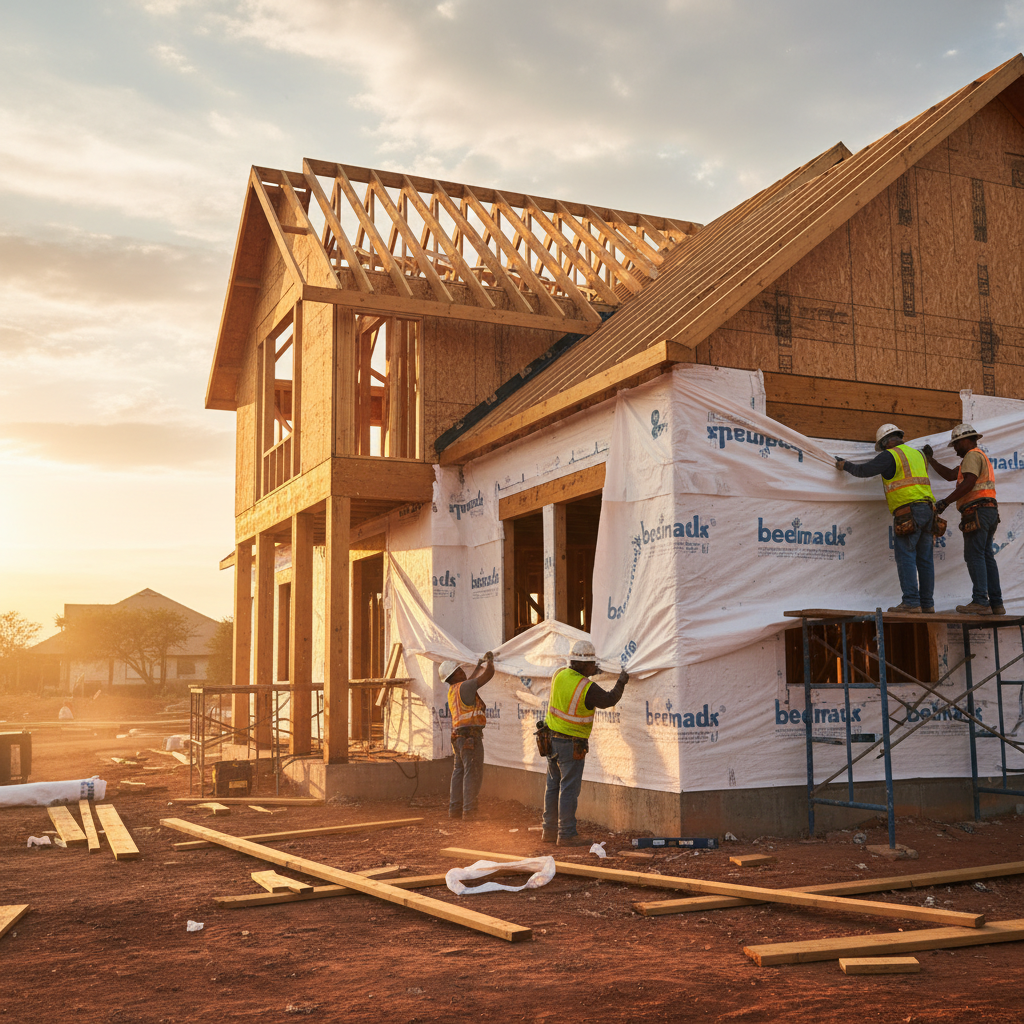
- Envelope first: Continuous WRB, flashing at penetrations, and sealed sheathing lines reduce air leakage and water intrusion.
- Right-sized HVAC: Duct routes, returns, and intakes are coordinated with framing and insulation strategies to prevent comfort issues.
- Durable exteriors: Coastal-appropriate fasteners, corrosion-resistant materials, and smart overhangs protect cladding and openings.
- Healthy interiors: Ventilation strategies and low-emitting finishes improve indoor air quality throughout seasons of high humidity.
If you’re curious how design ties to construction execution, our building design and construction guide shows how proactive detailing limits rework across trades.
Best Practices That Save Time
The fastest builds follow a clear playbook: verify site constraints early, finalize critical-path selections by design development, package complete drawings for permitting, and pre-coordinate trades before mobilization. These steps reduce RFIs, protect lead times, and keep field crews moving.
We refine the same pattern across homes in Galveston, Beaumont, and beyond. It’s not flashy—just disciplined coordination that adds up to weeks saved.
- Front-load constraints: Confirm setbacks, easements, and utilities before schematic plans lock dimensions.
- Decide long-lead items early: Windows, exterior doors, and major appliances influence rough openings and MEP routing.
- Detail coordination: Include sections for stairs, showers, and roof-to-wall interfaces; they’re common RFI hotspots.
- Field-ready notes: Use clear callouts that installers can follow without hunting across sheets.
- Preconstruction meeting: Align trades on sequencing, staging, and safety so day one feels like week three.
For a deeper dive into headaches to avoid before you build, our planning and design guide covers coordination checklists we use with homeowners statewide.
Tools and Resources We Use
We pair practical checklists with digital tools: drawing platforms for coordination, scheduling boards for milestones, and submittal trackers for permit packages. The goal isn’t fancy software—it’s shared visibility so owners, designers, and field teams see the same plan and dates.
Homeowners don’t need to master software to benefit from it. What matters is a transparent rhythm of decisions and approvals.
- Decision matrix: A simple tracker for selections that affect structure and MEPs—windows, doors, plumbing fixtures, and appliances.
- Permit pathway: Checklist of required drawings, forms, and common comments so submittals go out clean the first time.
- Schedule board: A visible set of milestones from surveys through finishes; we color-code inspections and long-lead items.
- As-built updates: Field-verified changes feed back to drawings so inspections and closeout run smoothly.
Want a sense of how we integrate planning with design choices? Our architecture & design services overview explains how we bridge selections and field execution on Texas projects.
Mini Case Examples from Texas Projects
We apply the same coordination playbook across Texas. Whether you’re building in Galveston, Sugar Land, or College Station, early site intel, clear drawings, and aligned trades save weeks. These snapshots show how integrated planning and construction management turn design choices into smooth field execution.
Coastal new build, Galveston: We validated elevations against survey stakes and drainage patterns before footing excavation. Framing proceeded without slab shims, and inspections cleared on first pass—no rework days lost.
- Challenge: High wind exposure and tight setbacks.
- Design move: Roof-to-wall strapping and WRB continuity detailed in sections.
- Result: Faster inspections and fewer punch items post-storm season.
Family home, College Station: Window selections were finalized during design development, allowing rough openings and MEP routes to lock early. The framing team hit target dates despite a congested vendor calendar.
- Challenge: Long-lead windows threatened schedule.
- Design move: Early procurement planning tied to selection approvals.
- Result: Weeks saved at rough-in; drywall on the original plan.
Suburban infill, Sugar Land: We coordinated driveway geometry with setbacks and lot coverage rules before schematic design locked the plan footprint, avoiding a resubmittal later.
- Challenge: Tight lot coverage and parking counts.
- Design move: Civil alignment and zoning fit verified early.
- Result: Smooth permitting; no redesign delay.
For broader context on how planning ties into community-scale design, see our urban design guide and how we connect neighborhood patterns with individual lots.
Mid-Project Checklist (Owner’s Quick Audit)
At milestones—before pours, before drywall—run a quick audit. Verify elevations and drainage match drawings, confirm window/door sizes and swing directions, and ensure MEP rough-ins align with selections. A 30-minute checklist can prevent days of rework.
- Are slab elevations within tolerance and drainage flowing away from the foundation?
- Do rough openings match the final window and door orders?
- Are duct runs, vent terminations, and plumbing stacks placed per drawings?
- Is insulation strategy confirmed (cavity, exterior, or hybrid) with air-sealing details?
- Have inspector notes been closed out on the latest set?
If you prefer a guided walkthrough, our team leads structured pre-pour, pre-drywall, and pre-close audits as part of our planning and development approach.
Frequently Asked Questions
Homeowners often ask about timeline, approvals, and the best delivery model. These concise answers address the most common questions and point to resources that help you plan with confidence and avoid preventable delays.
What does residential design include?
It covers needs analysis, space planning, schematic and detailed drawings, selections that affect structure and MEPs, and a permit-ready set. At Tip Top Builders, we integrate site analysis, permitting support, and constructability reviews so the plans you approve can be built without redesign.
How long does the design phase take?
Most single-family homes move from discovery to permit-ready drawings in several weeks, depending on complexity and approvals. We organize decisions and reviews so steps overlap where possible, helping you gain time without sacrificing quality.
Which is better: design-bid-build or design-build?
Design-build streamlines accountability and schedule by unifying design and construction under one team. Design-bid-build can make sense when scope is fixed and you want competitive bids on a final set. We help you choose based on your priorities and site.
Do you help with permits and inspections?
Yes. We prepare submittals, track comments, and align drawings to local requirements. Our team also coordinates inspections at key milestones, closing notes before the next trade mobilizes.
Key Takeaways and Next Steps
Residential design drives schedule, quality, and comfort. Start with site intel, finalize long-lead selections early, and package complete drawings for permitting. If you want one accountable team, choose design-build. We’re here in Galveston to plan, permit, prep, and build your home with confidence.
- Lock site constraints before schematic design.
- Decide windows, doors, and appliances by design development.
- Submit a complete, coordinated permit set to avoid resubmittals.
- Pre-coordinate trades and inspections before mobilization.
- Prefer design-build for speed and single-point accountability.
Ready to align your ideas with a proven plan? Explore our residential architect guide or start with our architecture and design services. For homeowners who want the full path mapped, our planning and zoning overview outlines approvals that commonly add weeks when not anticipated.
Related Topics to Explore
Strengthen your plan by connecting design with permitting, development, and risk management. These overviews explain how upstream choices affect approvals, schedules, and construction outcomes across Texas projects.
For owners comparing delivery models, our construction manager at risk guide explains a third path that can balance competition with early team alignment. If you’re designing a mixed-use or walkable project, our urban design overview shows how site decisions scale to neighborhoods.
Thinking about a new home in Texas? Let’s map your path from residential design to ground-breaking. We’ll review your site, outline approvals, and build a decision calendar you can trust.