
A residential architect is a licensed design professional who plans and coordinates custom homes from concept through permits and construction. In Galveston, Tip Top Builders partners with residential architects to unify design, site preparation, and construction management so your home is buildable, code-compliant, energy-smart, and ready for coastal conditions.
By Aftab Ali — Manager, Tip Top Builders
Last updated: May 28, 2026
Designing a home should feel exciting—not overwhelming. This complete guide shows Texas homeowners how to work with a residential architect and a construction partner like Tip Top Builders to move from an idea to a finished home with confidence.
Overview
This guide explains what a residential architect does, why architectural design matters in Texas, and how design integrates with permitting, site preparation, and construction. You’ll see step-by-step workflows, best practices, tools, and Texas-focused examples so you can plan and build a home you truly love.
- What a residential architect is—and isn’t
- How design, permits, and construction connect in Texas
- Step-by-step process from vision to move-in
- Best practices, tools, and checklists to stay on track
- Real-world examples from Galveston and across Texas
Local considerations for Galveston
- Account for coastal wind loads and flood elevations early; align the architect’s plans with structural and elevation strategies before permit submittal.
- Schedule surveys and geotechnical borings outside peak storm seasons when possible to reduce delays and rework.
- Coordinate utilities and drainage design with neighborhood-level requirements; verify easements and setbacks to avoid redesign during plan review.
What Is a Residential Architect?
A residential architect designs single-family and multifamily homes, translating your lifestyle into safe, code-compliant plans that can be permitted and built. They coordinate structure, systems, and materials, then collaborate with contractors so drawings become a durable, energy-efficient, and beautiful house.
A residential architect shapes how your home functions, looks, and performs over decades. They turn needs—room counts, storage, natural light—into schematics, then into detailed construction documents (CDs) that your builder uses to construct the work.
- Core responsibilities: programming, schematic design, design development, construction documents, consultant coordination, permit submittals, and construction administration.
- What they deliver: scaled drawings, 3D visuals, specifications, structural and MEP coordination notes, and responses to plan reviewers and inspectors.
- Where Tip Top Builders fits: we support site selection, permitting strategy, planning and design integration, construction management, and field execution so design intent is achieved.
Here’s the thing: great drawings are only half the story. Buildability, supply-chain realities, schedule logic, and safety also determine success. When your residential architect and Tip Top Builders collaborate from day one, you reduce redesign cycles and speed approvals.
Why a Residential Architect Matters in Texas
Texas homes face wide climate swings, local code nuances, and jurisdiction-specific reviews. A residential architect anticipates wind, flood, heat, and energy code requirements while aligning design with permits, utilities, and inspections—cutting delays and rework across the build.
Texas is diverse: coastal wind exposure, inland heat, clay soils, and jurisdictional differences demand early planning. Homeowners who align architectural design with permitting, site work, and construction sequencing typically avoid mid-project redesign.
- Climate realities: coastal wind resistance, flood elevations, heat mitigation, and ventilation strategies planned during schematic design.
- Regulatory layers: zoning, setbacks, utility coordination, and plan review timelines vary; early filings and complete submittals streamline approvals.
- Construction integration: pairing your architect with a construction partner aligns details with actual methods, crews, and lead-time constraints.
- Local experience: Tip Top Builders brings Texas-wide project experience while operating from Galveston—helpful for navigating reviews in cities across the state.
Most plan delays trace back to missing information. When drawings include clear structural notes, accurate elevations, and coordinated MEP locations, reviews go faster and jobsite decisions stay aligned with the design.
How the Residential Architecture Process Works
The residential architecture process flows from discovery to move-in: programming, schematic design, design development, construction documents, permitting, site preparation, and construction. With Tip Top Builders involved early, each handoff stays coordinated and field-ready.
Below is a proven sequence we use with Texas homeowners and their architect. Think of it as a relay—each phase hands accurate information to the next so nothing gets dropped.
1) Discovery and programming
- Define goals, spaces, lifestyle patterns, storage, accessibility, and site constraints.
- Collect surveys, HOA guidelines, and any prior feasibility reports; confirm setbacks and utilities.
- Tip Top Builders reviews constructability risks and early site logistics that affect design choices.
2) Schematic design (SD)
- Floor plan concepts, massing, and site orientation for light, views, and privacy.
- Initial structural strategy and envelope ideas for wind, flood, and energy performance.
- Early check with our planning and zoning guidance to reduce review surprises.
3) Design development (DD)
- Refined plans, elevations, sections; window and door schedules; outline specifications.
- Consultant coordination (structural, mechanical, electrical, plumbing) to avoid clashes in the field.
- Constructability and lead-time review with Tip Top Builders so selections fit real supply timelines.
4) Construction documents (CDs)
- Permittable drawings with dimensions, details, and notes the field can build from.
- Clear scopes minimize change orders and protect schedule logic.
- We align CDs with quality control checkpoints for smoother inspections.
5) Permitting and approvals
- Submit complete packages (plans, structural/MEP letters, energy forms) to reduce resubmittals.
- Respond quickly to review comments; track expirations and conditions of approval.
- Use our construction management systems to keep documents synchronized.
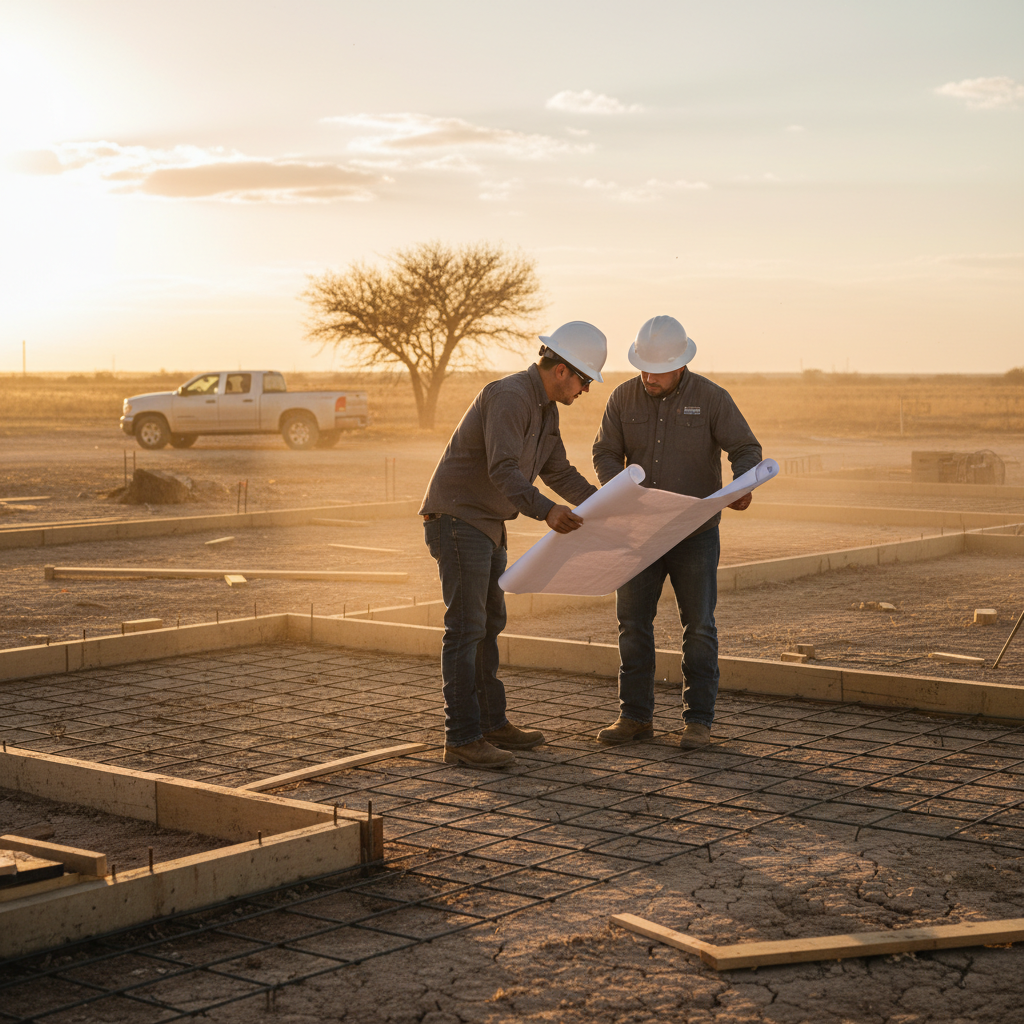
6) Site preparation and excavation
- Clearing, grading, utility taps, and foundation prep per geotechnical findings.
- Drainage and elevation strategies to handle Texas rain events and coastal tides.
- Our field team executes design intent while adjusting methods to actual soil and weather conditions.
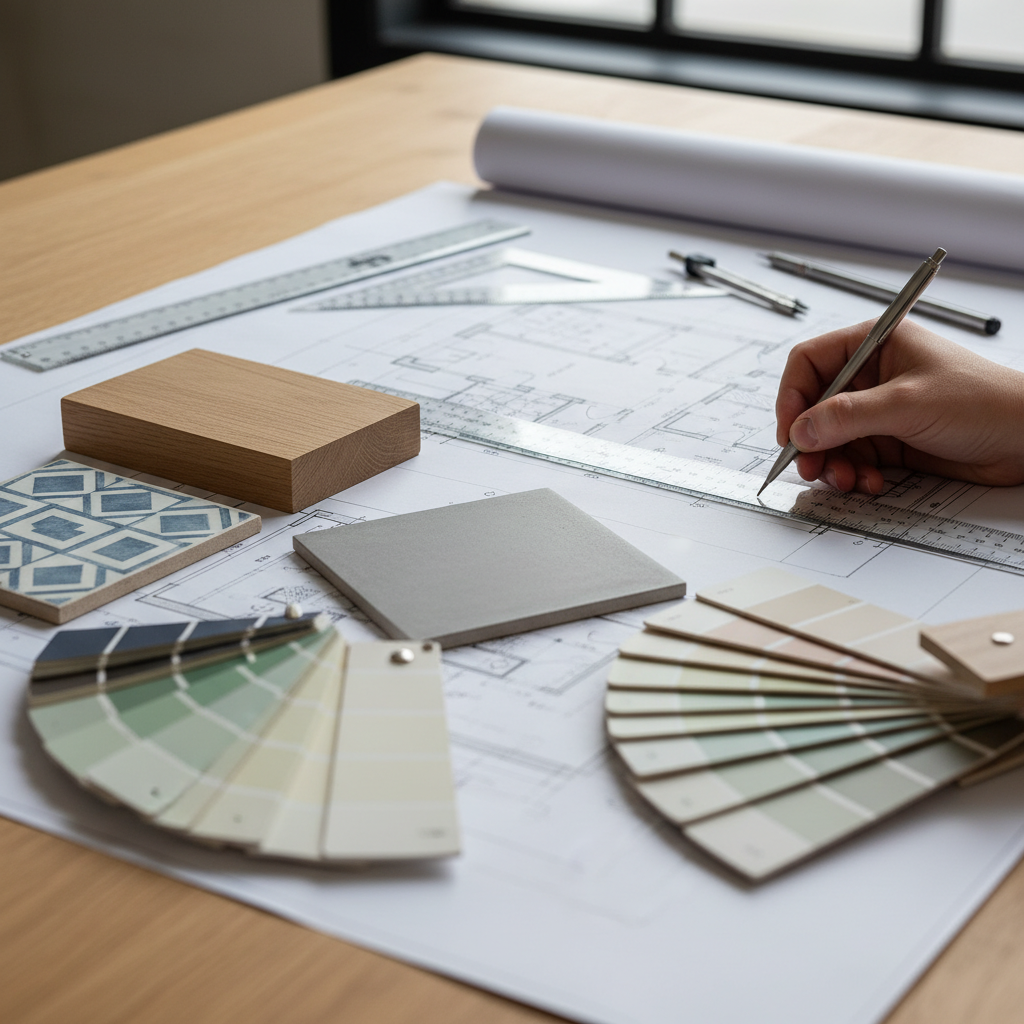
7) Construction and inspections
- Foundation, framing, MEP rough-ins, insulation, drywall, finishes, and punch-list in defined sequences.
- Architect reviews key milestones; our superintendents verify details match CDs.
- Inspections stay on pace when documentation and as-builts are current and clear.
8) Handover and closeout
- Final CO approvals and homeowner orientation.
- O&M documentation and finish schedules organized for easy future reference.
- Post-occupancy check-ins validate performance and inform future improvements.
Considering a custom home in or near Galveston? Let’s align your architect’s plans with permitting, site work, and build sequencing. Schedule a quick consultation or call 409-225-1137.
Types of Residential Architecture Services and Approaches
Residential architecture services span concept-only packages to full design and construction administration. Delivery models include architect-led design, design–build teams, and construction-manager-at-risk approaches that integrate design decisions with schedule and quality control.
Different homeowners need different levels of service. Here are common options and how they intersect with construction delivery in Texas.
Common service scopes
- Concept + Schematic Only: early layout, massing, and visualization—good for feasibility before committing to full CDs.
- Full Service (SD → CDs → CA): end-to-end design plus construction administration during build.
- Permit Set: drawings tailored to obtain approvals; may exclude certain interior details.
- Interior Architecture: detailed layouts, built-ins, finishes, and lighting coordination.
Delivery models and when to use them
- Architect + GC (traditional): clear separation of design and build; useful when you want competitive GC proposals.
- Design–Build (single contract): one team for design and construction; helps compress schedule and align decisions with execution. See how we structure integration in our EPCM overview.
- CMAR (Construction Manager at Risk): a manager provides preconstruction input and guarantees delivery risk; learn when CMAR fits in our CMAR guide.
Who does what? A quick comparison
| Role | Primary Focus | Best When | Key Output |
|---|---|---|---|
| Residential Architect | Design + code compliance | Custom new builds, major renovations | Plans, specs, CA reviews |
| Designer | Interiors, layouts, finishes | Material/finish curation | Interior drawings |
| Design–Build Team | Integrated design + construction | Speed + single-point accountability | Turnkey delivery |
| General Contractor | Field execution | Managing trades and schedule | Built work per CDs |
Best Practices for Working With a Residential Architect
Set clear goals, decide fast on site constraints, and keep decisions moving. Align architect and builder early, track approvals and inspections, and document choices. These habits prevent redesigns, protect schedule logic, and keep quality high from foundation to finishes.
We’ve managed dozens of Texas builds. The patterns below consistently deliver smoother reviews and better field outcomes.
- Write a living brief: capture goals, must-haves, nice-to-haves, and constraints. Update the brief at each phase gate.
- Decide site realities early: elevation targets, driveway access, tree protection, and utility routes should not be mid-project surprises.
- Integrate builder input: invite constructability and lead-time feedback at SD and DD; it reduces RFIs during framing.
- Document selections: windows, roofing, siding, and fixtures in a shared schedule. Tie choices to realistic lead times.
- Use checklists: approvals, inspections, and closeout tasks tracked in one place avoid last-minute scrambles.
- Plan exterior systems: grade, drainage, and hardscape coordination with the architect avoids water problems later. For landscape sequencing context, see these design–build timelines.
One more tip: treat the permit reviewer as part of your audience. Clear notes, consistent dimensions, and labeled sections turn a thick plan set into an understandable story that speeds approval.
Tools and Resources Homeowners Should Know
Modern residential architects use BIM, energy modeling, and collaboration platforms to visualize decisions, predict performance, and reduce rework. Homeowners benefit from shared dashboards, 3D walk-throughs, and organized selections linked to lead times and inspections.
Tools don’t replace expertise, but they do make it easier to see decisions and avoid rework. Here’s a practical stack we see working well on Texas homes.
- Visualization: 3D models and virtual walk-throughs to test sunlight, storage, and sightlines before committing.
- Coordination: shared platforms for drawings, RFIs, and approvals that keep everyone on the same sheet.
- Quality + inspections: checklists linked to quality control milestones ensure consistent workmanship.
- Exterior systems: plan sequencing for grading, drainage, and planting; this landscape design–build primer shows typical phases that dovetail with final inspections.
- Structure + envelope: understanding framing methods helps homeowners weigh speed, spans, and insulation choices; see a framing overview here: residential framing basics.
- Electrical planning: coordinate lighting and power with licensed trades; this home electrical guide illustrates how early planning improves safety and function.
Ask your residential architect and Tip Top Builders which tools they’ll use and how homeowners will access updates. Clarity on communication beats any single software feature.
Case Studies and Examples From Texas Projects
Coordinated teams deliver faster approvals and cleaner builds. These Texas scenarios show how residential architects and Tip Top Builders align design, permits, site work, and inspections to reduce revisions, protect schedules, and deliver durable, beautiful homes.
While we specialize in complex ground-up projects across Texas, the same land-to-completion rigor benefits homeowners planning a custom residence.
Galveston coastal infill (single-family)
- Challenge: tight lot, coastal wind exposure, and flood elevation targets.
- Approach: architect-led design with early structural input; our team sequenced elevation, pilings, and drainage strategy before MEP rough-ins.
- Outcome: permit review proceeded with minimal comments; inspections aligned to quality checkpoints.
Beaumont suburban new build
- Challenge: clay soils and utility coordination near existing development.
- Approach: architect coordinated DD with our site preparation plan to avoid rework; driveway and service routes set early.
- Outcome: framing and MEP rough-ins progressed without relocations; homeowner walkthroughs used clear DD visuals.
Sugar Land family home refresh (major addition)
- Challenge: blending new square footage and rooflines with neighborhood character.
- Approach: architect prepared a permit set for addition + exterior update; we staged work to protect occupied areas.
- Outcome: inspections passed first time; closeout documents organized for HOA and resale.
Austin hillside lot (new build planning)
- Challenge: significant grade changes and sightline goals.
- Approach: architect used SD massing models to test views; we validated driveway geometry and retaining strategies in preconstruction.
- Outcome: final CDs reflected realistic grading and access; schedule protected from midstream redesign.
Curious how this would work on your site? Our planning and design services connect site realities, permits, and build sequencing so your architect’s vision becomes a home you love living in.
Frequently Asked Questions
Homeowners ask about scope, timelines, permits, and whether they need an architect or a designer. These concise answers cover the essentials so you can move forward with clarity and confidence.
What does a residential architect do?
They translate your goals into code-compliant plans, coordinate structure and building systems, and support permitting and construction. Expect programming, schematic design, design development, construction documents, and construction administration reviews during key milestones.
Do I need an architect or a designer?
Use a residential architect for new builds, additions, or structural changes that require permits and technical coordination. Designers are great for interiors and finishes. Many projects benefit from both, coordinated by a builder for constructability and schedule.
How long does residential design take?
Timelines vary by scope and jurisdiction. As a general range, design phases can span several weeks to a few months, with permitting adding additional review time. Clear decisions, complete submittals, and builder input help speed approvals.
What should I prepare before meeting an architect?
Bring a list of goals, inspiration photos, a rough budget framework, the site survey, any HOA rules, and notes on utilities or easements. If available, share geotechnical reports and a wish list of rooms, storage, and outdoor spaces.
Key Takeaways & Next Steps
Choose a residential architect and a construction partner who collaborate from day one. Align design with permits, site realities, and inspections. Document choices, track reviews, and keep communication clear to turn your vision into a durable, beautiful Texas home.
- In Texas, climate and local review processes make early coordination essential.
- Pair your architect with a field-tested builder to reduce redesign and delays.
- Use shared tools to visualize, decide, and document—before crews mobilize.
- Leverage Tip Top Builders for planning, permitting strategy, site prep, and construction management.
Ready to plan your home with a residential architect? Connect with Tip Top Builders in Galveston to align design, permitting, and construction from day one.