
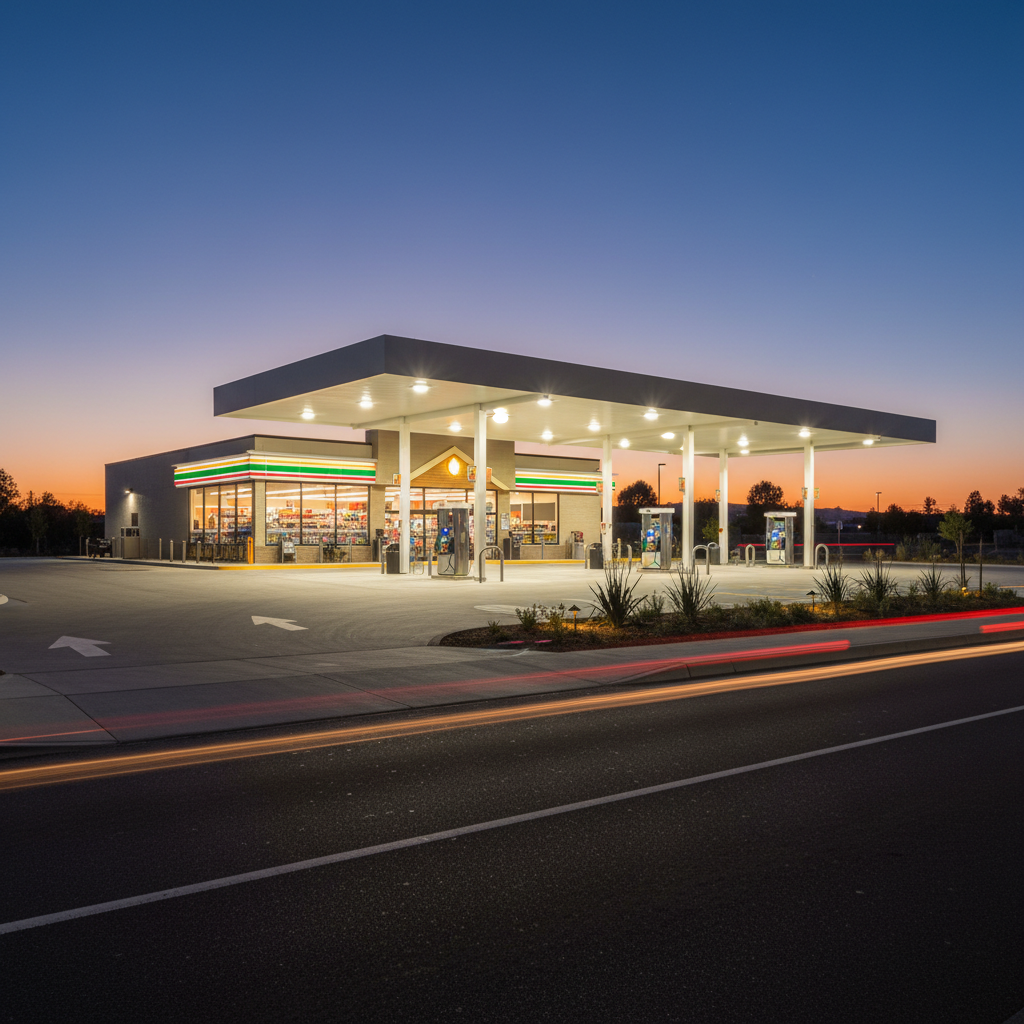
Gasoline station construction is the end-to-end process of planning, permitting, designing, and building fuel retail sites and convenience stores. Typical phases include site selection, environmental due diligence, underground storage tanks (USTs), canopy and C-store builds, and commissioning. In Galveston and across Texas, Tip Top Builders guides projects from raw land to grand opening.
By Aftab Ali • Last updated: May 27, 2026
Overview: Your Texas Guide to Fuel-Retail Builds
This guide explains how to deliver a gasoline station and C-store in Texas from land to opening. You’ll see how permitting, site preparation, USTs, building, safety, and commissioning connect—and where Tip Top Builders’ planning, excavation, and construction management keep schedules predictable and compliance tight.
Building a modern fuel and convenience site is complex—but repeatable with the right system. Our team in Galveston delivers predictable outcomes by integrating planning, design, excavation, and construction management into one accountable workflow.
- What you’ll learn
- Clear definitions, steps, and responsibilities across the lifecycle
- Texas-specific permitting, environmental, ADA, and safety checkpoints
- Best practices for USTs, canopies, stormwater, and QC
- Why this guide matters
- Fuel projects intersect high-stakes safety and strict regulations
- Coordinated design, excavation, and build shave weeks off timelines
- Turnkey delivery reduces handoffs, RFIs, and rework
- Where to go deeper on our site
- See our Texas process in this step-by-step fuel build guide.
- Review planning touchpoints in permit and zoning approvals.
- Explore quality systems in construction quality control.
Local considerations for Galveston
- Account for coastal rainfall and wind exposure with reinforced canopies, anchored USTs, and robust stormwater controls tailored to local drainage patterns.
- Schedule earthwork and paving around peak humidity and storm seasons to stabilize subgrade and maintain compaction targets.
- Plan delivery logistics and inspections early; coastal markets see seasonal demand spikes that can affect material lead times and agency calendars.
What Is Gasoline Station Construction?
Gasoline station construction is a regulated build process combining fuel systems, convenience retail, and site infrastructure. It spans site selection, permitting, environmental safeguards, UST installation, canopy and C-store construction, and final commissioning to safely dispense fuel and operate retail under Texas codes.
At Tip Top Builders, fuel retail projects are delivered as an integrated program. We align land development, environmental assessments, design, excavation, and vertical construction into a single schedule. The result: fewer handoffs and faster closeouts.
- Core components
- Fuel system: USTs, piping, dispensers, venting, monitoring
- Retail building: C-store shell, interiors, MEP, refrigeration
- Site works: grading, paving, stormwater, lighting, landscape
- Why it’s specialized
- Hazard-classified systems require strict safety and QA/QA documentation
- Multiple agencies review fire, environmental, accessibility, and traffic
- Trade sequencing must protect tanks, lines, and slab integrity
- Where we help most
- Planning & Design: site selection, feasibility, architectural layout
- Site Preparation & Excavation: clearing, grading, UST pits, utilities
- Construction Management: schedule control, inspections, punchlist
In our experience, aligning permit submittals with long-lead equipment (e.g., USTs, dispensers) removes weeks of idle time. Many projects compress several weeks by issuing early sitework packages while finalizing interiors.
Why Gasoline Station Construction Expertise Matters in Texas
Expertise reduces risk, accelerates opening, and safeguards compliance. Specialized fuel-retail builders coordinate environmental controls, fire protection, ADA, traffic flow, and retail fit-out—so you avoid redesigns, inspection failures, and schedule slips that can delay store opening.
Fuel retail intersects public safety and high-visibility operations. Poor sequencing or documentation can trigger re-inspections, rework, and weeks of delay. A coordinated approach delivers safer sites and steadier schedules.
- Risks we routinely mitigate
- Subgrade instability under canopies and lanes if drainage isn’t right
- Fuel system leaks from improper bedding, backfill, or torque specs
- Inspection failures due to missing as-builts or pressure-test proof
- Texas-specific priorities
- Stormwater controls to handle extreme rainfall events common along the coast
- Wind-rated canopies and building envelopes for resilience
- ADA access routes and parking compliant with Texas-adopted standards
- Proof in practice
- We build across Beaumont, Port Neches, Nederland, College Station, Austin, Sugar Land, and Port Arthur—adapting to local plan-review rhythms
- Our teams synchronize inspections so trades aren’t idled between approvals
- Documentation is standardized so fire, environmental, and building officials get what they need the first time
Projects that align design details with field mockups cut change orders dramatically. We’ve seen punchlists shrink by over 50% when owners approve a single fuel-island prototype before full fabrication.
How Gasoline Station Projects Work: Step-by-Step
Fuel-retail delivery follows a predictable sequence: feasibility and site selection; permits and environmental reviews; earthwork and USTs; building shell and canopy; MEP and interiors; paving and striping; inspections, testing, and commissioning. Tight coordination eliminates idle time between phases.
Here’s the field-proven sequence we manage statewide. Use it as a high-level checklist, then tailor details to your city’s submittals and inspection cadence.
- Site selection and feasibility
- Traffic patterns, access/egress, utilities, and zoning compatibility
- Concept layouts for canopy, dispenser count, parking, and truck movements
- Early conversations with local reviewers align expectations
- Permitting and environmental
- Submittals for civil, architectural, structural, MEP, and fuel systems
- Environmental assessments and stormwater plans; erosion controls
- Fire, building, and accessibility reviews run in parallel when possible
- Site preparation and excavation
- Clearing, grading, utilities, and UST pit excavation with shoring
- Proof-rolling and compaction to design densities for lanes and slab
- Trench routing for product and vent piping protected from loads
- UST installation and piping
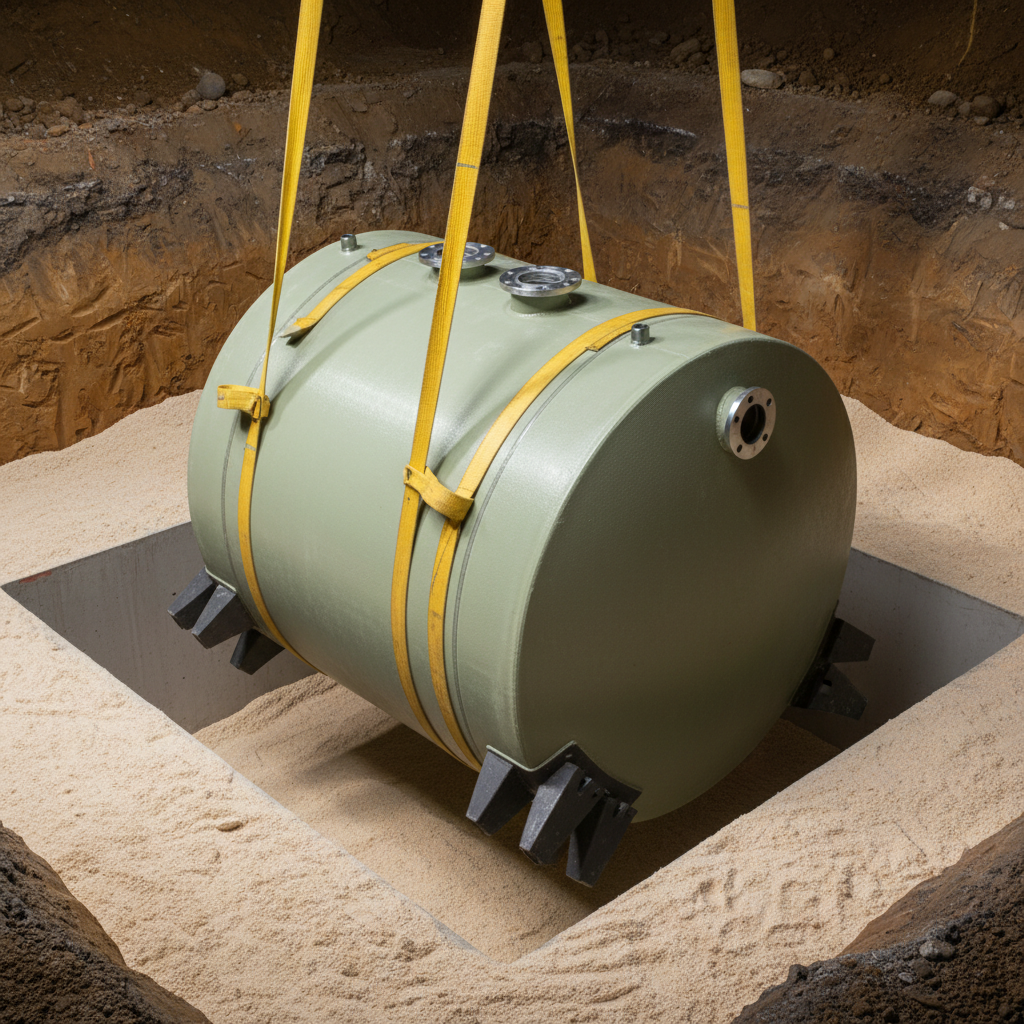
- Set double-wall tanks on bedding; install anti-buoyancy restraints
- Precision backfill and torque to manufacturer specifications
- Hydrostatic and pressure testing documented before cover
- Canopy, foundation, and verticals
- Canopy piers poured, structural steel erected, electrical rough-in
- Retail shell framed; roof, façade, doors/windows weathered-in
- Lighting, signage rough-ins coordinated with fuel islands
- MEP, interiors, and equipment
- Electrical gear, panels, and controls for dispensers and store
- HVAC, refrigeration, and kitchen equipment where applicable
- Millwork, counters, restrooms, security systems, POS, and back office
- Paving, striping, and site finishes
- Concrete lanes, ADA routes, accessible parking, and traffic markings
- Landscape, irrigation, photometrics, and night-safety checks
- Final clean and punchlist walk before inspections
- Testing, inspections, commissioning
- Fuel-system tests, electrical and life-safety verifications
- As-builts submitted; operations training; opening preparations
- Soft opening to confirm flow and staffing before grand opening
We template submittals, inspection checklists, and turnover packages to speed approvals and reduce RFIs. This approach has consistently shortened closeout by several weeks on multi-site programs.
Delivery Methods: Choosing the Right Build Approach
Select a delivery method that matches speed and risk: design-bid-build for strict separation of design and build, design-build for single-point speed, or CMAR for collaborative control. Fuel-retail complexity often benefits from design-build or CMAR to compress timelines and reduce rework.
Method choice shapes collaboration, change management, and speed. For gasoline station construction, integrated delivery typically outperforms segmented models because fuel, civil, MEP, and retail details must move in lockstep.
| Method | Best When | Pros | Watchouts |
|---|---|---|---|
| Design-Bid-Build | Scope fixed, competitive bidding desired | Clear roles; competitive trade pricing | Slower RFIs; higher change-order risk if fuel details evolve |
| Design-Build | Speed and single-point accountability | Faster decisions; fewer handoffs; parallel design/permits | Owner must lock performance criteria early |
| CMAR | Complex phasing; early contractor input | Preconstruction value; shared risk control; phasing agility | Requires disciplined team collaboration |
For deeper context on managed delivery, see our overview of engineering, procurement, and construction management and our guide to construction manager at risk.
Best Practices for Safety, Quality, and Compliance
Lock in safety and quality through standard checklists, mockups, and inspections. Protect tanks and lines with correct bedding, backfill, and torque; verify clearances; document tests. Coordinate ADA routes, lighting, and signage early to prevent rework before inspections.
Here’s the playbook we’ve refined across Texas builds. Small, repeated habits prevent major issues later.
- Environmental and stormwater
- Install erosion controls before clearing; inspect after every rain event
- Cover stockpiles and protect inlets near fuel-island work zones
- Document corrective actions with photos and field notes
- USTs and piping
- Confirm tank subgrade elevation vs. finish grade to avoid buoyancy
- Use manufacturer bedding gradation; verify lift thickness and compaction
- Record torque values and pressure-test results before covering trenches
- Canopy and electrical
- Set canopy piers clear of known piping corridors and tracer wires
- Photometrics: target uniformity to reduce glare and dark spots
- Label circuits and isolation switches for fast troubleshooting
- ADA and customer flow
- Design accessible routes between parking, dispensers, and C-store
- Use contrasts at curbs and islands; verify slopes during formwork
- Place bollards and wheel stops to protect equipment and routes
- Quality control checkpoints
- Pre-pour checks for canopy piers, dispenser pads, and store slab
- MEP rough-in photos with measurements for as-built accuracy
- Weekly coordination with inspectors to pre-empt punchlist drift
We standardize pre-pour, pre-cover, and pre-inspection reviews. Teams that adopt this rhythm reduce punchlist items significantly and keep openings on track even with weather variability.
Tools, Permits, and Project Resources
Successful fuel-retail builds depend on early permit mapping, standardized checklists, and coordinated submittals. Align civil, fuel, architectural, structural, and MEP drawings; sequence long-lead equipment; and maintain a single source of truth for inspections and as-builts.
Templates and disciplined record-keeping turn complexity into a routine build.
- Permits and reviews
- Civil/site, fuel systems, fire/life safety, building, electrical, plumbing
- Stormwater plans and erosion-control inspections throughout construction
- Final inspections and certificates of completion for opening
- Standard documents
- Soils reports, compaction tests, and concrete cylinder breaks
- Fuel-system pressure tests and leak-detection certifications
- Photometric studies, as-builts, and O&M manuals
- Owner decisions to make early
- Dispenser count and canopy size to match traffic and queueing
- Foodservice program, refrigeration, and storage back-of-house
- Brand standards for finishes, signage, and lighting
For an end-to-end overview of what we coordinate, see our construction management services and our gas station building guide. If convenience retail is the focus, our C-store construction guide walks through interiors and equipment planning.
Need a second set of eyes on your site plan? We help Texas developers de-risk early with feasibility, permit mapping, and coordinated submittals. Reach our Galveston-based team to align scope and schedule before you break ground.
Case Studies and Real-World Scenarios
Real projects show what works: align permits with long-lead orders, stabilize subgrade before canopies, and prototype one fuel island to validate clearances. These moves reduce change orders and accelerate inspection sign-offs across Texas markets.
Here are condensed examples from projects we manage across the state. Details vary by city, but the patterns are durable.
- Coastal resilience (Galveston): Reinforced canopy foundations and anchored USTs reduced wind and buoyancy risks during storm season, keeping inspections on schedule.
- Queueing optimization (Beaumont): Adjusted dispenser spacing and curb radii for tanker access; throughput improved during soft opening.
- Early UST procurement (Port Neches): Ordering tanks at permit intake eliminated idle time, pulling delivery earlier in the sequence.
- Subgrade conditioning (Nederland): Moisture-conditioned subbase ahead of peak humidity preserved compaction and slab flatness.
- Parallel reviews (College Station): Fire and building reviews run concurrently; field mockups cleared fuel-island details in advance.
- Design-build alignment (Austin): Single-point accountability cut RFIs and moved canopy steel earlier without rework.
- Lighting uniformity (Sugar Land): Photometric refinements reduced glare and improved nighttime safety scores.
- Foodservice integration (Port Arthur): Coordinated kitchen and refrigeration with store MEP prevented late ceiling rework.
- Stormwater readiness (coastal sites): Pre-installed inlet protection and silt fence minimized rainy-day shutdowns.
- ADA verification (multi-site): On-form slope checks avoided corrective grinding post-pour.
- Soft-open rehearsal (statewide): Staged openings validated staffing and traffic flow before marketing push.
Partnerships with in-store brands can elevate sales mix. See examples of C-store foodservice co-location at regional travel centers, such as this Texas travel site example and a Galveston-area location. Many operators report higher afternoon and evening basket sizes when food options are integrated.
Budget and Schedule Drivers (No Pricing)
The biggest drivers are delivery method, long-lead equipment timing, soil conditions, canopy complexity, and review cycles. Owners who lock decisions early and order USTs, dispensers, and refrigeration at permit intake usually shave weeks off the schedule.
While we don’t publish pricing, we can map schedule and scope drivers that consistently move outcomes up or down.
- Decision speed: Early sign-off on dispenser counts, canopy size, and store layout accelerates engineering and procurement
- Long-lead items: USTs, canopy steel, switchgear, and refrigeration benefit from early release
- Subsurface conditions: Moisture, organics, and utilities affect excavation time and backfill cycles
- Inspection cadence: Predictable weekly touchpoints reduce re-inspections and idle labor
- Weather planning: Sequencing pours and paving around heavy rainfall protects finish quality
Owners who commit to a standardized submittal package and weekly coordination huddles typically experience steadier review cycles and fewer change orders, keeping openings on a predictable arc.
Frequently Asked Questions
Most owners ask about permits, timelines, and how to reduce risk. The answers center on early planning, integrated delivery, and disciplined quality control. Below are concise responses you can use to shape your preconstruction plan.
What are the first steps to start a gasoline station project in Texas?
Begin with site selection and feasibility: validate access, utilities, and zoning; sketch a concept plan for canopy, dispensers, and store. Map permits and align review timelines with long-lead orders. Early conversations with local reviewers help prevent redesigns later.
How do I keep inspections and approvals on schedule?
Standardize submittals and pre-inspection checklists. Hold weekly touchpoints with inspectors, log test results with photos, and prototype a single fuel island to verify clearances. This reduces re-inspections and keeps trades productive between approvals.
Which delivery method is best for fuel-retail builds?
Design-build and CMAR often perform best because fuel systems, civil work, and retail details evolve together. If strict separation is required, design-bid-build works—but expect more RFIs and longer handoffs. Choose based on risk tolerance and speed goals.
Do you also handle convenience store interiors and equipment?
Yes. We coordinate shell, interiors, MEP, refrigeration, foodservice equipment, and vendor fit-outs under one schedule. This prevents rework between kitchen layouts, ceiling systems, and electrical loads that can slow openings.
Conclusion: Open With Confidence
Fuel-retail projects open faster when planning, excavation, and construction management run as one program. Lock decisions early, order long-lead equipment at permit intake, and use standardized inspections to keep approvals moving.
- Key takeaways
- Map permits and long-lead items together to compress timelines
- Prototype one fuel island to validate clearances and details
- Use checklists for pre-pour, pre-cover, and pre-inspection quality
- Coordinate ADA, lighting, and signage early to avoid rework
- Next steps
- Review our statewide gas station construction approach
- Align your permit roadmap with our planning and zoning guidance
- Book a consultation with our Galveston team to align scope and schedule
Ready to move? Our Galveston-based team delivers gasoline station construction and C-store projects across Texas, from early feasibility through opening day. We’re here to help you build smarter—and open sooner.
Continue Your Construction Planning
If you’re evaluating other project types or frameworks, explore our deep dives on construction management and quality. These pieces show how disciplined processes transfer across commercial and fuel-retail builds.
For broader context, check our pages on meeting construction standards and EPCM vs. CM. If your focus is retail interiors, our commercial construction services outline build-out workflows that pair well with C-store programs.