
Custom homes construction is the end-to-end process of planning, permitting, preparing the site, and building a one-of-a-kind home. Based in Galveston, Texas, Tip Top Builders manages this journey statewide—coordinating design, regulatory approvals, excavation, and construction management—so homeowners move from vision to keys-in-hand with fewer surprises and a smoother schedule.
By Aftab Ali — Manager, Tip Top Builders
Last updated: 2026-06-20
Overview
This guide explains how custom home projects move from idea to finished home in Texas. You’ll learn the phases—planning, permitting, site preparation, and build—plus critical decisions, timelines, and quality controls that reduce risk. We also share Galveston-specific insights for wind, flood, and soil conditions to help you start confidently.
Building a custom home should feel exciting, not overwhelming. To help you get oriented fast, here’s what you’ll find in this complete guide for Texas owners.
- Plain-English definitions of each phase and who does what
- Actionable checklists for planning, permitting, and site prep
- Pro-quality scheduling, quality control, and safety practices
- Design options that work for coastal and inland Texas
- Examples from Tip Top Builders projects across the state
For deeper planning context, see our internal playbooks on residential design and construction plans in Texas. They pair well with this guide when you’re mapping scope and approvals.
What is custom homes construction?
Custom homes construction is a tailored, land-to-completion process that designs and builds a unique residence around your lifestyle, site, and code requirements. It aligns architecture, permitting, site preparation, and construction management under one plan so you get a better fit, fewer change orders, and a home built for local conditions.
At its core, a custom build centers your site and your life. Instead of forcing stock plans onto a lot, the team adapts the foundation, structure, HVAC, and finishes to your soil, wind, and flood realities—and to how you actually live day to day.
- Personalization: Spaces sized for your routines, storage, and future needs.
- Performance: Systems designed for Texas heat, humidity, and coastal wind loads.
- Compliance: Permits, inspections, and certificates coordinated in the right order.
Tip Top Builders integrates planning and design, permit and zoning approvals, site preparation and excavation, and full-scope construction management—so your project keeps its momentum from concept through final walk-through.
Why custom homes matter in Texas
Custom homes matter in Texas because sites vary widely—coastal wind, inland clay soils, and floodplain rules change design choices. A tailored process optimizes foundations, envelopes, and mechanicals for local performance, while coordinated permitting and scheduling avoid rework, delays, and compliance issues.
Texas is big, and so are its microclimates. A detail that works in Austin may not fly in Galveston. That’s why the right partner blends regional experience with local authority coordination to keep approvals smooth and details durable.
- Climate realities: Heat, humidity, and wind shape envelopes, roofing, and ventilation.
- Soils and drainage: From expansive clays to sandy coastal soils, foundations must match the site.
- Regulatory nuance: Local permit sequencing, inspections, and certificates vary city to city.
- Lifestyle fit: Plans align storage, circulation, and flex rooms with how your family lives.
In our experience managing projects from Galveston through Austin, the homes that age best are the ones designed for their exact site, not for a generic postal code.
How custom homes construction works (phase-by-phase)
A successful custom build follows four integrated phases: preconstruction planning, permitting and approvals, site preparation and utilities, and vertical construction to completion. Each phase has clear deliverables, owner decisions, and inspections that, when sequenced well, protect schedule, quality, and compliance.
Here’s a practical view of the journey we run for Texas homeowners.
| Phase | Main deliverables | Owner decisions | Tip Top role |
|---|---|---|---|
| Preconstruction planning | Program, concept, schematic plans, preliminary specs | Space priorities, budget guardrails, style direction | Facilitate design, validate site constraints, map approvals |
| Permitting & approvals | Permit set, applications, review responses, inspections plan | Authorize submissions and revisions | Coordinate with local authorities and track statuses |
| Site prep & utilities | Clearing, grading, excavation, utilities, foundation prep | Confirm driveway and service locations | Manage earthwork, erosion control, utility trenching |
| Build to completion | Slab, framing, MEP rough-in, insulation, drywall, finishes | Finalize finish selections, appliances, fixtures | Schedule trades, supervise quality, close out punch list |
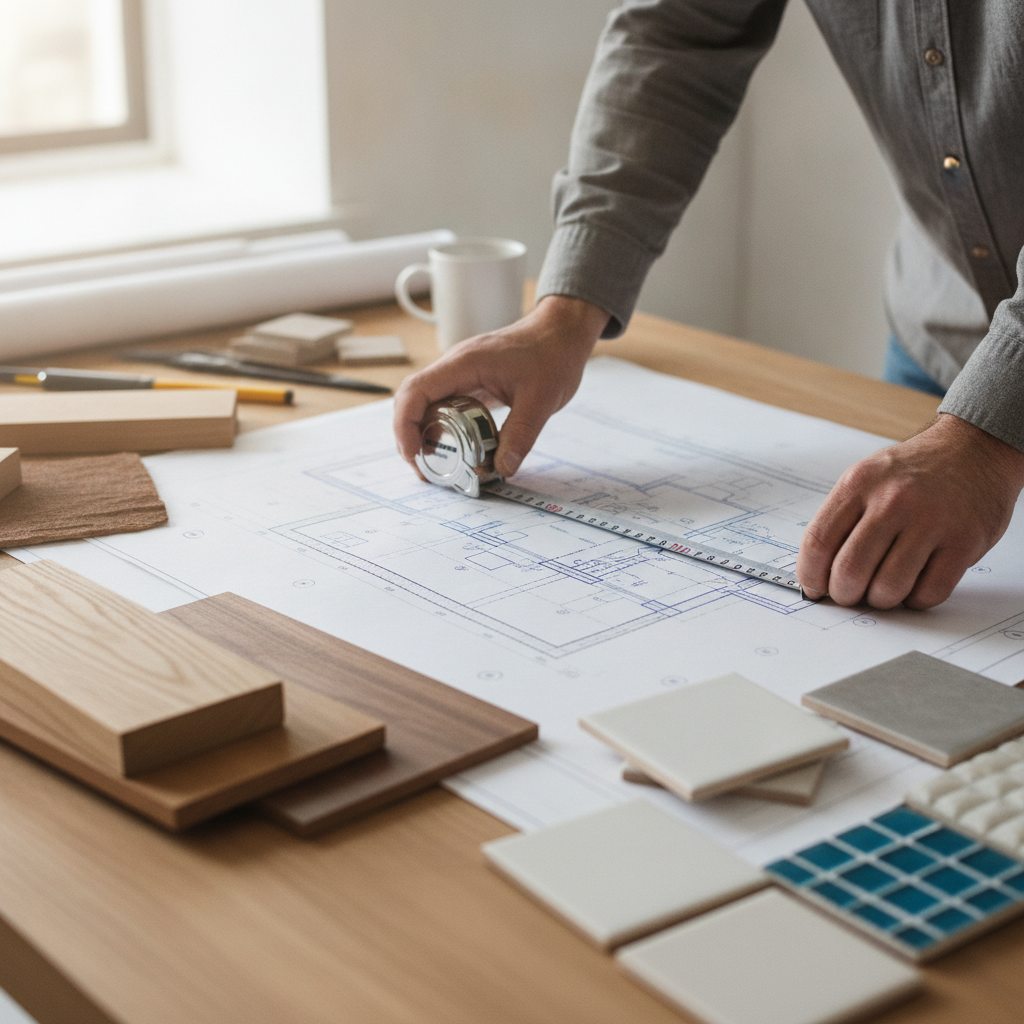
Preconstruction planning
- Program and concept: Translate lifestyle goals into room counts, adjacencies, and target square footage.
- Schematic design: Right-size rooms, massing, and circulation; identify daylighting and views.
- Site study: Verify setbacks, flood and wind considerations, drainage, and utility tie-ins.
- Deliverable: A plan set accurate enough for permit and early procurement.
Want a deeper dive into drawings? Explore our internal notes on construction plan requirements for Texas submittals and inspections.
Permitting and approvals
- Applications: Building, electrical, mechanical, plumbing, and—where applicable—floodplain and windstorm certifications.
- Reviews: Respond to comments quickly to maintain momentum.
- Inspections: Map inspections to milestones to prevent rework.
Our team handles the sequencing and responses so you don’t lose time waiting on paperwork. See our overview of planning and zoning workflows for typical steps.
Site preparation and utilities
- Clearing and grading: Establish drainage paths and building pad elevation.
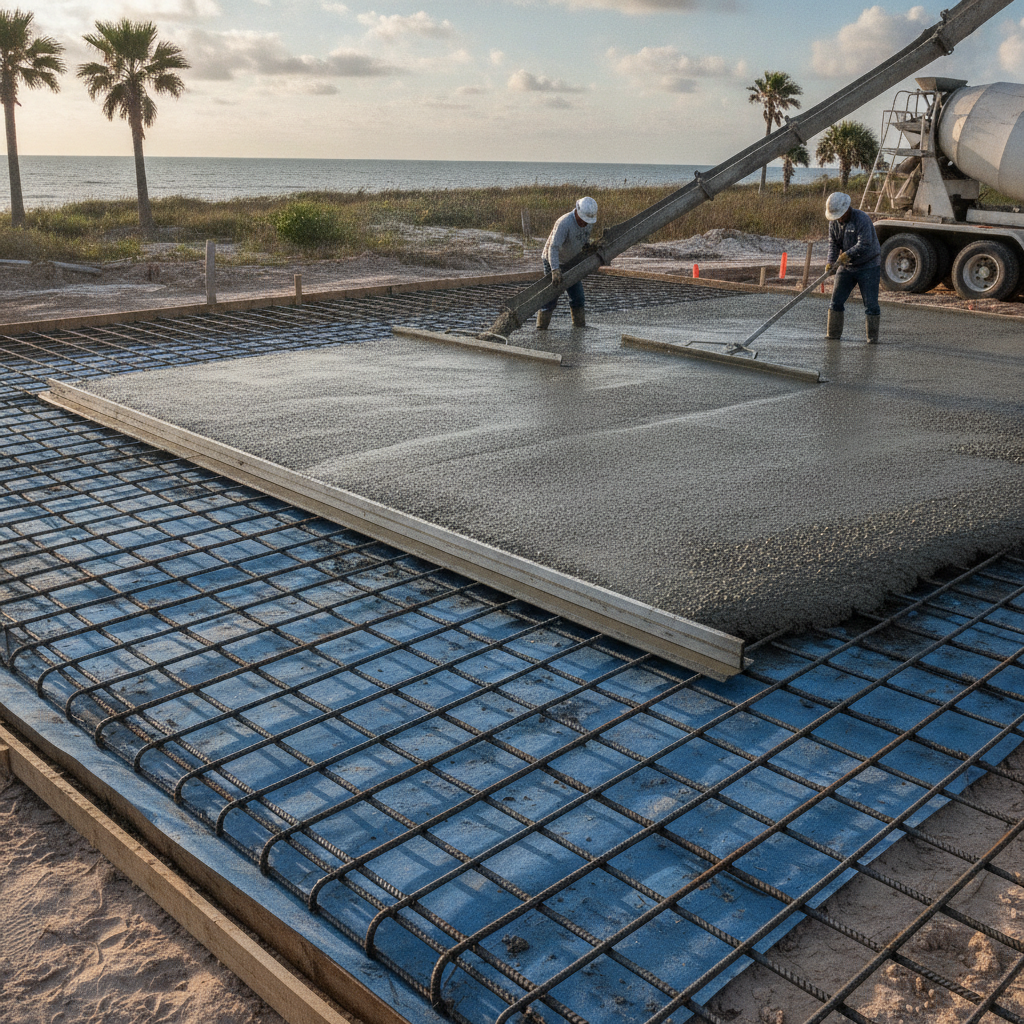
- Excavation and forms: Prepare footings and slab forms; install vapor barriers and rebar.
- Utilities: Coordinate trenching and rough connections for water, sewer, and electric.
A precise pad and foundation set the tone for everything above. Poor elevation or compaction ripples into walls, roofs, and finishes later. This is where disciplined geotechnical input and experienced crews pay off.
Build to completion
- Structure: Slab, framing, roof, and sheathing assembled to plan.
- MEP rough-ins: Electrical, plumbing, and HVAC integrated without conflicts.
- Enclosure and finishes: Insulation, drywall, trim, cabinets, tile, and paint.
- Closeout: Final inspections, punch list, owner orientation, and handover docs.
Throughout, we maintain a live schedule, daily logs, and photo documentation. This transparency keeps decisions timely and field conditions aligned with drawings and specs.
Types, methods, and delivery approaches
Owners typically choose between design–bid–build, design–build, or construction manager at risk. Structural and envelope choices—slab-on-grade vs. elevated foundations, roof systems, and exterior cladding—should reflect soil conditions, wind exposure, and maintenance preferences, especially in coastal Texas.
Delivery models and building systems shape both your experience and your home’s long-term performance. Here’s a practical comparison.
Project delivery options
- Design–bid–build: Architect designs, builders bid, lowest qualified bid wins.
- Pros: Competitive pricing; clear design documentation up front.
- Watchouts: Longer handoffs; potential design–field disconnects.
- Design–build: One team integrates design and construction from the start.
- Pros: Faster decisions; fewer change orders; single point of accountability.
- Watchouts: Requires a trusted, experienced partner and transparent process.
- Construction Manager at Risk (CMAR): CM advises during design, then delivers at a guaranteed scope.
- Pros: Early cost/schedule input; collaborative value engineering.
- Watchouts: Requires strong preconstruction to lock scope cleanly.
Tip Top Builders frequently operates in integrated roles so design choices reflect approval realities and field conditions early—reducing surprises later.
Foundation and structure choices
- Slab-on-grade: Common across Texas; efficient and clean when soils are compatible and drainage is planned.
- Elevated slab or pier-and-beam: Useful for coastal or flood-prone sites; improves access to underfloor services.
- Wind-ready framing: Connections, strapping, and sheathing designed for coastal exposure.
The right choice depends on soils, flood zones, and desired floor elevations. We align geotechnical guidance with architectural intent and jurisdictional standards before formwork begins.
Envelope and materials
- Roofing: Architectural shingles, standing seam metal, or tile—balanced against wind, maintenance, and look.
- Cladding: Fiber cement, brick, stucco, or engineered wood designed for Texas heat and humidity.
- Windows/doors: Performance glazing and hardware appropriate for wind zones and salt air.
For a quick primer on reinforcement and slab components, see this third-party overview of rebar selection and placement as background reading before structural design meetings.
Best practices that protect schedule and quality
The best custom home builds use front-loaded planning, documented decisions, disciplined sequencing, and visible quality controls. Start permits early, confirm site drainage and elevation, lock critical selections before framing, and use checklists at each milestone so inspections and trades line up cleanly.
We’ve found that success is built on habits you can see and verify in the field. These are the non-negotiables we use on Texas custom homes.
- Start permitting early: Submit clean drawings with complete notes; track statuses weekly.
- Protect drainage: Set pad elevation to direct water away; keep swales functional during work.
- Document decisions: Capture selections and change approvals in writing before ordering.
- Sequence inspections: Tie inspection dates to slab, framing, and MEP milestones.
- Quality checklists: Use standardized punch lists at rough-in and finish stages.
- Safety & housekeeping: Clean sites install faster and safer—productivity follows.
Local considerations for Galveston
- Plan for wind exposure with proper roof-to-wall connections, sheathing patterns, and hardware suitable for coastal zones.
- Account for humidity and salt air when selecting cladding, fasteners, and exterior sealants to extend service life.
- Sequence inspections and delivery windows around peak storm seasons to reduce weather-related delays.
For related process guardrails, our note on construction quality control outlines the field verifications we expect before calling inspections or closing walls.
Tools and resources homeowners actually use
Use a shared schedule, decision log, and photo documentation to keep your project on track. Digital plan viewers, selections trackers, and weekly site walks align owner, designer, and builder—reducing change orders and keeping inspections, deliveries, and trades coordinated.
Simple tools win when they’re kept current and used by everyone.
- One-page master schedule: Milestones visible to all; updated weekly.
- Decision/Selections log: Doors, windows, tile, lighting, and appliances—locked before framing.
- Photo log: Progress photos by location and date help confirm hidden work.
- Plan viewer: Digital access to the latest drawings to reduce field conflicts.
- Weekly site walks: Quick, decisive touchpoints prevent snowballing issues.
For a high-level view of owner preparedness, this outside primer on pre-construction consultations offers useful checklists to consider before design lock.
Case studies and real-world examples
Real custom home wins come from matching plans to site realities. In Galveston and across Texas, we’ve delivered homes that balance elevation, structure, and materials with local rules—keeping permitting smooth, fieldwork efficient, and final inspections clean.
Here are anonymized examples that reflect common Texas scenarios Tip Top Builders manages.
- Coastal infill lot (Galveston): Elevated foundation with optimized stair placement preserved street presence. Early wind and flood coordination streamlined reviews and kept framing moving.
- Family home on clay soils (College Station): Geotech-informed slab design and drainage plan reduced slab movement risks and protected interior finishes over time.
- Hill Country views (Austin): Massing and window design captured morning light while overhangs limited heat gain; selections locked before framing shrank change exposure.
When our residential teams need heavy civil muscle, we draw on the same site preparation discipline we use for commercial work. That cross-training—seen in our commercial construction guide and convenience store building overview—helps us keep custom homes construction efficient on challenging sites.
For background on renovation cycles and planning (relevant if you’re phasing a future addition), this third-party remodeling guide is a helpful perspective on sequencing work to minimize disruption.
Custom homes construction checklists
Use concise checklists for each phase: define space priorities, validate site constraints, map approvals, confirm pad elevation and drainage, lock selections before framing, and track inspections to milestones. These habits reduce rework and keep your Texas custom home moving.
Owner planning checklist
- List must-have and nice-to-have spaces and storage needs.
- Collect inspiration photos that reflect materials available in Texas.
- Confirm how many vehicles, hobbies, and guests your home should support.
- Decide on maintenance preferences that influence materials and systems.
Approval readiness checklist
- Verify setbacks, easements, and utility access paths.
- Identify floodplain, wind, or coastal requirements early.
- Prepare a complete permit set with notes and details organized for reviewers.
- Map anticipated inspections against schedule milestones.
Site prep and build checklist
- Protect tree roots and planned landscape areas during clearing.
- Confirm pad elevation and compaction results before forms.
- Photograph rebar, vapor barrier, and sleeves before pour.
- Lock windows, doors, and major finishes prior to framing inspections.
For broader project sequencing tips, our note on construction project scheduling explains how we align inspections, deliveries, and trades to keep crews productive.
Frequently Asked Questions
Homeowners ask about timelines, permitting, selections, and how to keep projects on track. The short answer: front-load planning, submit complete permits, lock key decisions early, and keep a weekly cadence with your builder. Clear documentation is the safeguard that preserves schedule and quality.
What does a builder handle versus an architect?
Architects lead design and code-compliant drawings. Builders sequence trades, secure inspections, and manage the site. In integrated delivery, your builder joins early so details reflect permit realities and field constraints, reducing change exposure later.
How do I avoid delays during permitting?
Submit a complete permit set with clear notes, respond to comments quickly, and track statuses weekly. Your builder should coordinate sequences and inspections so the moment approvals land, fieldwork can start without rework.
When should I finalize finishes and fixtures?
Lock major selections before framing inspections. Doors, windows, cabinets, tile, and lighting affect rough-ins and lead times. Early decisions keep schedules tight and prevent last-minute changes that ripple through multiple trades.
Do coastal homes require different construction details?
Yes. Coastal Texas homes benefit from elevated foundations where required, corrosion-aware fasteners, wind-ready connections, and careful envelope choices. Plan these early with your builder so permits and inspections align with local standards.
Conclusion and next steps
Success in custom homes construction comes from disciplined planning, fast permit responses, precise site prep, and transparent field management. If you sequence decisions and inspections early—and document them—you protect your timeline and get a home tailored to Texas conditions.
- Key takeaways: Start permits early, lock selections before framing, and keep a weekly cadence.
- Owner role: Make timely decisions and stay engaged through site walks and photo logs.
- Builder role: Coordinate trades, inspections, and quality controls with visible documentation.
Ready to move from ideas to action? Explore our complete construction services to see how we integrate planning, permits, site work, and build—then book a discovery session in Galveston to get started.