
Complete construction services are end-to-end project delivery that covers planning, design, permitting, site preparation, and build management to final handover. In Galveston and across Texas, Tip Top Builders provides this turnkey approach for gas stations, commercial spaces, and homes so you get one accountable partner from land to opening.
By Aftab Ali — Manager, Tip Top Builders
Last updated: June 19, 2026
Above the Fold: What You’ll Get in This Guide
This guide shows how complete construction services reduce risk and compress timelines for Texas projects. You’ll learn what “complete” really covers, why it matters, how the delivery works, proven best practices, tools and templates, and real examples from gas station, commercial, and residential builds.
Building in Texas demands speed, compliance, and coordination. We wrote this complete, practical guide to help owners, operators, and developers cut delays and stay in control—without juggling multiple vendors.
- Understand the full scope of complete construction services
- See how a single accountable partner reduces change orders
- Follow our 9-step delivery framework from site to opening
- Apply best practices that prevent rework and inspections fails
- Use toolkits: checklists, schedule templates, and QA workflows
- Review Texas-focused examples for fuel retail and commercial sites
Summary
Complete construction services centralize planning, permitting, site work, and building under one team. Owners get fewer handoffs, clearer schedules, and documented quality control. For Texas fuel retail and commercial projects, this single-partner model keeps compliance, safety, and timelines on track.
Here’s the short version: one integrated team handles every step and every risk. The result is faster approvals, cleaner inspections, and stronger handover documentation. In our experience, tightly managed scopes and early coordination improve schedule reliability and reduce redesign cycles.
What Are Complete Construction Services?
Complete construction services refer to an end-to-end, turnkey delivery model that includes site selection, planning and design, permitting, environmental reviews, site preparation and excavation, construction management, and closeout. One accountable partner aligns scope, schedule, quality, safety, and compliance from land to opening.
At Tip Top Builders, “complete” means you have a single, experienced team guiding you from undeveloped land to a finished, inspected property. That’s crucial for projects like gas stations and convenience stores where environmental, safety, and zoning requirements drive every decision.
- Front-end strategy: site selection support, land acquisition guidance, feasibility checks, schedule modeling
- Design integration: architectural plans, fuel-system coordination, ADA access, MEP drawings, constructability reviews
- Permitting & compliance: zoning, building, environmental assessments, inspections planning, documentation control
- Field execution: clearing, grading, excavation, utilities, foundations, structures, interiors, and commissioning
- Closeout & turnover: as-builts, O&M manuals, punch-list resolution, training, and warranty onboarding
Because we run the full scope, you don’t have to coordinate separate firms or reconcile clashing drawings. One team, one plan, one set of deliverables.
Why Complete Services Matter for Texas Projects
A single delivery partner reduces fragmentation, speeds up approvals, and keeps quality documentation aligned. For fuel retail, commercial, and residential builds in Texas, integrated services prevent scope gaps, missed inspections, and redesign loops that can extend timelines.
Texas projects move fast—and regulations are specific. Fragmented teams often lead to duplicate submittals and late design clarifications. Our integrated approach keeps permitting, environmental considerations, and construction planning on one critical path.
- Fewer handoffs: one accountable schedule across design, permits, and field execution
- Coordinated reviews: environmental, zoning, and building responses feed directly into revised drawings
- Aligned safety: job hazard analyses, toolbox talks, and site controls tracked within one system
- Inspection-ready QC: checklists, photos, and test reports organized by discipline and milestone
- Predictable turnover: punch lists tied to submittals and as-builts for a clean handover
When working with owners in Galveston and other Texas cities, we’ve found that a single, sequenced plan reduces rework and keeps vendor coordination tight from day one.
How Our Complete Delivery Works (9 Steps)
We run a 9-step framework from land to opening: 1) discovery, 2) site selection, 3) planning and design, 4) permitting, 5) preconstruction, 6) site prep, 7) build, 8) inspections and commissioning, 9) closeout and handover. Each step has documented outputs so downstream teams move faster.
Our process is built for owners who want control without micro-managing. Every phase creates specific deliverables that lock scope, drive purchasing, and support inspections.
- Discovery: goals, target audiences, schedule drivers, and operating assumptions
- Site selection: traffic access, zoning fit, utilities, and constructability screens
- Planning & design: floor plans, elevations, MEP, and fuel-system coordination for C-stores
- Permitting: submittals package, responses log, and inspection roadmap
- Preconstruction: long-lead tracking, procurement plan, and baseline schedule
- Site preparation: clearing, grading, and excavation; SWPPP controls installed
- Build phase: foundations, structures, interiors, canopy and forecourt integration
- Commissioning: systems checks, fuel-system testing, life-safety and MEP verification
- Closeout: as-builts, O&M manuals, training, and warranty onboarding
Because deliverables are standardized, stakeholders see exactly what’s next—and what’s done. That clarity lowers the chance of late surprises.
Delivery Models Compared: Design-Build vs. Design–Bid–Build
Design-build centralizes accountability for design and construction, often shortening schedules and reducing change orders. Design–bid–build separates design from construction, introducing more handoffs but enabling competitive bidding. Choose based on risk tolerance, timeline, and project complexity.
Here’s a quick comparison we use when advising Texas owners and developers.
| Factor | Design-Build (Complete) | Design–Bid–Build |
|---|---|---|
| Accountability | Single partner | Designer and GC split |
| Speed | Faster due to overlap | Linear; slower handoffs |
| Change orders | Fewer; team aligned | More; scope gaps surface late |
| Owner effort | Lower; one point of contact | Higher; you coordinate parties |
| Best for | Fuel retail, C-stores, rollouts | Unique civic or bid-required |
If you need speed-to-opening and predictable inspections, the complete design-build route is usually the right call.
Scope by Project Type (Fuel Retail, Commercial, Residential)
While our complete construction services follow the same framework, each project type adds unique scope: fuel systems and forecourts for C-stores, shell and tenant build-outs for commercial, and lot-specific code and energy details for homes. The delivery stays integrated end to end.
Gas stations and convenience stores
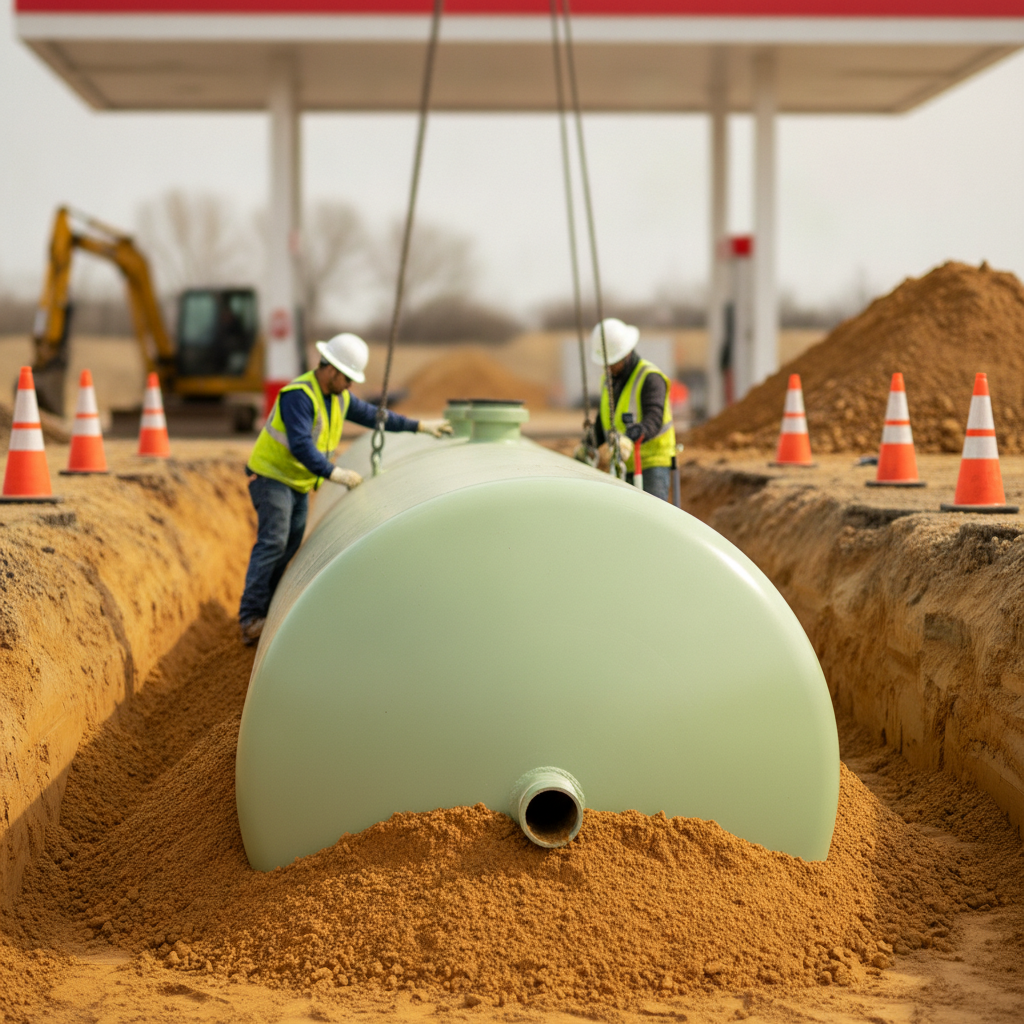
- Fuel system integration: UST placement, piping corridors, dispenser layout
- Forecourt and canopy: traffic flow, ADA routes, bollards, lighting, stormwater
- Back-of-house: walk-ins, dry storage, receiving, and staff circulation
- Retail plan: sightlines, coolers, hot food, POS and security
See how this aligns with our convenience store building overview for owners planning a new Texas C-store.
Commercial retail and mixed-use
- Shell + core: structure, fireproofing, MEP risers, shafts, and egress
- Site development: utilities, parking, landscaping, signage coordination
- Tenant build-outs: phasing, access plans, and brand standards
For a broader view, our commercial construction in Texas guide covers scheduling and risk controls you can adopt immediately.
Residential homes in Texas
- Lot development: clearing, grading, drainage, and utility tie-ins
- Structure and envelope: framing, air and moisture control, energy code
- Finishes and commissioning: punch lists, HVAC balance, and owner orientation
Across all types, our quality program keeps inspections, RFIs, and submittals connected to the schedule so time isn’t lost to rework.
Best Practices That Protect Schedule and Quality
Protect your timeline by front-loading decisions, locking critical dimensions early, and tying submittals to schedule milestones. Use documented checklists, daily logs, and photo verification. Coordinate inspections during design so drawings answer the questions inspectors will ask in the field.
Front-load decisions
- Confirm canopy column spacing, UST setbacks, and drive aisle widths early
- Freeze retail equipment footprints before MEP coordination
- Model forecourt lighting and signage to avoid late relocations
Connect paperwork to the schedule
- Use submittal logs with due dates aligned to foundations, steel, and interiors
- Place long-lead items on the critical path in baseline schedules
- Issue look-ahead updates so vendors see their next 2–3 milestones
Run documented quality control
- Discipline checklists: earthwork, concrete, steel, MEP rough-in, finishes
- Photo and test reports attached to each milestone inspection
- Targeted re-inspection windows baked into the schedule
These habits sound basic. They’re also where most delays start when teams skip documentation or chase details late.
Tools, Templates, and Resources
Use simple, repeatable tools: a 9-step delivery checklist, a baseline schedule with long-lead tracking, a submittals matrix tied to milestones, and discipline QC forms. Keep everything in one shared folder so owners, designers, and field teams stay in sync.
- 9-step delivery checklist: aligns stakeholders on outputs per phase
- Baseline schedule template: flags long-lead and inspection gates
- Submittals matrix: connects drawings, approvals, and release-to-fabrication
- QC forms by trade: earthwork, concrete, steel, MEP, interiors
- Closeout package index: as-builts, O&M manuals, training, and warranties
Want our working versions? Ask our team for the latest owner-ready checklist, submittals tracker, and QC package index tailored to Texas fuel retail and commercial builds.
Permits and Compliance Without the Headaches
Permitting succeeds when drawings and narratives answer compliance questions up front. We bundle zoning, building, environmental assessments, and inspection plans so reviewers see a coherent story. That clarity shortens review cycles and prevents conflicting comments.
Owners tell us permits feel complex. We simplify with a single submittal set, a responses log, and targeted updates that resolve comments in design—before field work begins.
- Zoning and site plan: use accurate traffic, access, and drainage data
- Building permit: include life-safety, ADA routes, and energy compliance
- Environmental assessments: integrate UST, stormwater, and SWPPP details
- Inspections plan: pre-wire milestones for foundations, framing, MEP, and fuel systems
Our team handles the submittals and coordinates with authorities so you can focus on operations and hiring.
Case Studies and Texas Examples
Real-world results matter. Here are brief snapshots from Texas projects: fuel retail forecourt sequencing, a commercial shell with phased tenant work, and a residential build with fast inspections. The through line: one plan, one schedule, one accountable partner.
Fuel retail: Forecourt-first sequencing
- We sequenced UST installation, canopy footings, and paving so testing and inspections aligned with concrete pours.
- Retail equipment footprints were frozen early; MEP drawings reflected final loads and clearances.
- Result: Inspections occurred on schedule, and the store team could train on live systems before opening.
Commercial shell: Phased tenant build-outs
- A retail shell was delivered with risers, shafts, and MEP stubs for rapid tenant improvements.
- Landscaping and signage coordination ran in parallel with interior work to meet opening targets.
- Result: Turnover was clean; tenants hit their store-fit dates without redesign cycles.
Residential: Clean inspections path
- Lot development, framing, and envelope checks were scheduled as inspection-ready packages.
- Photo and test documentation supported quick approvals and minimized rework.
- Result: The owner received a clear closeout package, making maintenance easy.
For broader patterns you can reuse, our construction quality control approach details how documentation speeds approvals.

How We Manage Risk (Safety, Quality, Schedule)
We manage risk with three controls: documented safety planning, discipline-level quality checklists, and schedule governance that ties submittals and long-lead items to milestones. Owners see issues earlier, and field crews know exactly what “inspection-ready” means.
- Safety: daily talks, JHAs, site access control, and PPE enforcement
- Quality: pre-pour, pre-cover, and pre-close inspections with photos
- Schedule: weekly look-aheads, variance tracking, and recovery plans
Risk can’t be eliminated, but a single plan with disciplined checkpoints keeps it contained and visible.
Owner Checklists: What to Approve and When
Owners move faster when approvals are time-boxed and visible. Use four decision gates: schematic, design development, construction documents, and preconstruction. Each gate has a short approval list so downstream work keeps moving and long-lead items can release on time.
- Schematic: site fit, traffic, massing, forecourt layout
- Design development: equipment lists, MEP loads, finish direction
- Construction documents: dimensions locked, details coordinated
- Preconstruction: procurement plan, inspections roadmap, and safety controls
We keep approvals to the minimum necessary at each stage so the field team always has what they need—no waiting.
Local Considerations for Galveston
Coastal Texas projects face salt-laden air, stormwater demands, and seasonal weather swings. Plan materials and coatings for corrosion resistance, design drainage early, and sequence exterior work around peak rain and heat periods to protect quality and productivity.
Local considerations for Galveston
- Specify corrosion-resistant fixtures and forecourt hardware designed for coastal exposure.
- Align grading, drainage, and paving around wetter months; protect open trenches and subgrades.
- Plan deliveries and pours to avoid peak heat windows; protect crews with shade and hydration.
We coordinate these details early so your drawings already reflect seasonal and coastal realities before procurement starts.
Need One Accountable Partner in Texas?
If you want speed, control, and documented quality from land to opening, engage a complete services partner. Tip Top Builders manages planning, site prep, and construction together—so permits, inspections, and handover stay on one critical path.
Let’s align your scope, schedule, and compliance plan. We’ll review your goals and share the templates we use on Texas fuel retail, commercial, and residential projects.
Frequently Asked Questions
These quick answers address what owners and developers ask most about complete construction services—scope, permitting, timelines, and how we coordinate inspectors, vendors, and tenant improvements across Texas projects.
What do complete construction services include?
They include planning and design, permitting support, environmental assessments, site preparation and excavation, construction management, commissioning, and closeout. We coordinate everything under one plan so drawings, submittals, inspections, and field work move in sequence.
How do you keep permits and inspections on schedule?
We submit a coherent package, track comments in a responses log, and update drawings before work begins. Then we pre-wire inspection milestones in the schedule, attach QC checklists, and keep photo documentation ready for reviewers and inspectors.
Do you manage gas station and C-store specifics?
Yes. We coordinate UST layout, piping corridors, canopy and forecourt design, ADA routes, lighting, and retail equipment footprints. Our drawings and sequences reflect testing and inspection requirements common to fuel retail projects in Texas.
Can you work statewide from Galveston?
We manage projects across Texas and tailor plans for local authorities. Our team coordinates with reviewers, inspectors, and utility providers while keeping owners informed with weekly look-aheads and milestone check-ins.
What’s the owner’s role during delivery?
You make time-boxed approvals at key gates—schematic, design development, construction documents, and preconstruction. We handle coordination, documentation, and schedule governance so you stay focused on operations and opening plans.
Key Takeaways
Choose complete construction services when speed, compliance, and single-point accountability matter. A unified team streamlines permits, coordinates inspections, and hands over clean documentation—so your Texas project opens on time.
- One accountable partner keeps scope, schedule, and quality aligned
- Front-load decisions and tie submittals to milestones to prevent rework
- Use simple, shared tools—delivery checklist, schedule, submittals matrix, and QC forms
- Texas projects benefit from early coordination with reviewers and inspectors
Related Topics and Next Steps
Strengthen your plan with deeper dives into commercial delivery, convenience store sequencing, and quality control. Use these topics to align drawings, submittals, and inspections so field work stays on schedule and turnover is clean.
Explore more on our site to deepen your plan:
- Commercial delivery patterns and risk controls in Texas
- Convenience store sequencing from UST to grand opening
- Construction quality control that passes inspections the first time
- Owner checklists that keep decisions moving
For a detailed blueprint review, start with our construction plans checklist and align your schedule with approval gates.
Ready to build? Let’s set up a short call to map your site, scope, and schedule—then we’ll share the exact templates we use on Texas projects.