
Commercial construction management is the disciplined coordination of planning, scheduling, procurement, quality, and safety to deliver buildings on time and within scope. In Galveston and across Texas, owners rely on this practice to control risk, align teams, and meet strict codes—especially for fuel-retail and retail projects Tip Top Builders oversees.
By Aftab Ali, Manager at Tip Top Builders • Last updated: 2026-06-04
Overview and table of contents
This complete guide explains how commercial construction management works, why it matters, and how Texas owners can avoid delays and rework. You’ll learn delivery methods, phase-by-phase workflows, quality and safety controls, and practical tips specific to Galveston and statewide projects.
Tip Top Builders manages land-to-opening delivery for gas stations (C-stores), retail/mixed-use, and residential projects across Texas. Use this page as your field manual to plan smarter, coordinate faster, and protect your schedule and scope from day one.
- What commercial construction management is—and what it isn’t
- Why it matters for Texas owners and developers
- How the lifecycle works from preconstruction to closeout
- Delivery methods compared (CMAR, CM as Agent, DBB, Design-Build)
- Best practices, tools, and phase checklists that actually work
- Gas station/C-store compliance and safety considerations
- Budget drivers, schedule controls, and risk reduction strategies
- Local considerations for Galveston projects
- Real-world examples from Tip Top Builders’ Texas footprint
Bookmark this page. Share it with your lenders, designers, and operational partners. If you’re planning a C-store, also review our C-store construction guide and align your team before schematic design begins.
What is commercial construction management?
Commercial construction management is the owner’s method for planning, organizing, and controlling every project phase—scope, schedule, cost, quality, safety, and compliance—so the building opens predictably and performs as designed. It integrates preconstruction planning with field execution to reduce risk and rework.
At its core, commercial construction management (CCM) is about leadership and controls. It sets targets, builds the plan, secures permits, buys out trades, manages safety and inspections, tracks submittals and RFIs, and documents completion. The result: fewer surprises, cleaner handoffs, and a smoother opening.
Essential responsibilities
- Preconstruction leadership: site selection input, entitlement path, permitting strategy, constructability reviews, long-lead procurement planning.
- Execution controls: CPM scheduling, trade coordination, quality inspections, safety oversight, daily logs, and issue resolution.
- Compliance readiness: fuel-system regulations for gas stations, ADA, energy code, fire/life safety, and environmental protocols.
- Closeout discipline: punch-list tracking, O&M manuals, as-builts, training, and warranty onboarding.
Tip Top Builders delivers end-to-end support—from site selection and land acquisition guidance to architectural design coordination, site preparation and excavation, and turnkey build. For fuel retail, we align tanks, piping, canopy, and convenience store scopes under one integrated plan so your opening date isn’t hostage to missing inspections or late equipment.
Self-contained insight: Owners gain the most from CCM when it starts early. Engaging a manager during site selection and schematic design will expose permit risks, utility constraints, and long-lead items (transformers, switchgear, walk-in coolers) before they derail the schedule. Early involvement compresses timelines and reduces change orders.
Why it matters for Texas owners
Commercial construction management protects Texas projects from delay, rework, and compliance setbacks. It creates one accountable plan across permitting, procurement, safety, and quality so openings stay on track—critical for gas station and retail operators targeting specific launch windows.
Texas projects move fast, but sites vary—from coastal Galveston soils to inland clay and limestone. Codes and utility lead times also differ by jurisdiction. Without disciplined controls, owners face redesigns, permit resubmittals, or phased rework that pushes openings. We’ve seen teams lose weeks over missing submittals or unsequenced inspections.
What owners actually gain
- Predictable openings: milestone-driven schedules with procurement locks and inspection holds reduce slippage.
- Fewer change orders: constructability reviews and coordinated drawings catch conflicts before the field does.
- Regulatory confidence: environmental and fuel-system compliance planned upfront prevents last-minute redesigns.
- Safety-first culture: consistent tailgate talks, JHAs, and site logistics reduce incidents and stoppages.
For Galveston operators, coastal weather windows, corrosion resistance, and drainage matter. We align elevations, envelope details, and canopy design to local wind and moisture realities. This attention isn’t academic; it preserves your schedule when a storm rolls through and inspectors are backed up.
Self-contained insight: The largest schedule risks are often invisible early on—utility lead times, environmental approvals, and long-lead equipment. Assign explicit owners, order deadlines, and contingency paths to each of these. Treat them like critical trades with their own look-ahead plans and weekly check-ins.
How commercial construction management works
Effective CCM runs a repeatable lifecycle: define scope, plan the work, secure permits, buy out trades, coordinate field execution, inspect and document quality, and close with training and warranties. The manager connects office planning with field reality daily.
Our playbook integrates preconstruction with execution. We front-load permitting and utilities, lock in long-lead items, and build a CPM schedule tied to material deliveries and inspection gates. In the field, we run daily coordination, quality checkpoints, and safety walks to keep trades sequenced and on-spec.
Lifecycle at a glance
- Discovery & site due diligence: zoning path, environmental constraints, utilities and access, traffic patterns.
- Design & constructability: align layouts, canopy, tank fields, back-of-house, and retail flow; resolve clashes early.
- Permitting: building, fire, health, environmental, signage; coordinate submittals and responses.
- Procurement: bid packages, long-lead orders (transformers, RTUs, coolers, dispensers), submittals, approvals.
- Site preparation & foundation: clearing, grading, excavation, underground work, tanks/piping (for fuel retail), and pours.
- Structure & MEPF rough-in: steel or masonry, framing, electrical, mechanical, plumbing, fire protection.
- Interior build-out & equipment: drywall, finishes, millwork, casework, lighting, POS, refrigeration.
- Testing, inspections & commissioning: pressure tests, leak detection, life-safety, energy, and final inspections.
- Closeout & turnover: punch, O&M manuals, as-builts, training, warranties, and occupancy.
| Phase | Primary outputs | Owner decisions |
|---|---|---|
| Preconstruction | Permitting plan, schedule, budget basis, bid strategy | Delivery method, target open date, risk tolerance |
| Procurement | Buy-out log, submittals, long-lead orders | Vendors selected, alternates approved |
| Execution | Daily logs, inspections, quality records | Change approvals, sequence adjustments |
| Closeout | As-builts, O&Ms, warranties, training | Acceptance, warranty tracking |
Self-contained insight: Treat inspections like deliverables. Build them into your schedule with float and prerequisites (subgrade proof-roll before pour, pressure test before cover, canopy connection before energization). When inspections are sequenced, trades flow; when they aren’t, everything stacks up.
Choosing a delivery method (and when)
Select your delivery method based on schedule urgency, design control, and risk appetite. CMAR accelerates precon with cost transparency; CM as Agent maximizes owner control; Design-Bid-Build is linear but slower; Design-Build is fastest when scope is well-defined.
There’s no one-size-fits-all. For new gas stations and retail shells on raw land, we often recommend CMAR or Design-Build to compress preconstruction and buy long-lead items early. For complex tenant improvements with heavy owner-supplied equipment, CM as Agent can preserve flexibility and competitive pricing.
| Method | Speed | Cost certainty | Design control | Best for | Key risk |
|---|---|---|---|---|---|
| CMAR (CM at Risk) | Fast precon/overlap | High with GMP | Shared with architect | Ground-up retail/C-stores | Scope creep vs GMP |
| CM as Agent | Moderate | Moderate | High for owner | Complex TIs, multi-vendor | Heavier owner decisions |
| Design-Bid-Build | Slow/linear | Bid-based | High pre-bid | Simple, spec-driven builds | Late discovery of clashes |
| Design-Build | Fastest | High once defined | Lower for owner | Repeatable prototypes | Design changes midstream |
Self-contained insight: If you’re chasing a specific opening window (holiday or tourist season), Design-Build or CMAR typically helps. If you’re optimizing for granular vendor choice and value engineering, CM as Agent gives you more levers—just be ready to make timely decisions.
Best practices that prevent rework
Lock scope early, sequence inspections, and front-load long-lead procurement. Pair a clear CPM schedule with weekly look-aheads, daily huddles, and documented quality checks. These simple rhythms eliminate most avoidable delays and punch-list churn.
Field-proven habits
- 90% drawings before buy-out: force-coordination of architecture, structural, and MEPF reduces midstream changes.
- Material control: maintain a delivery and storage plan; see practical perspectives on site material management.
- Inspection gates: create hold points in the schedule; no cover without signoff, no energization without pre-checks.
- Quality at intake: submittal review equals install quality; reject mismatches before they hit the deck.
- Daily coordination: 15-minute trade huddles surface conflicts early; update the look-ahead and constraints list.
Local considerations for Galveston
- Plan weather buffers during peak storm months and select corrosion-resistant envelopes and fasteners suited to coastal moisture.
- Sequence sitework and paving to maintain drainage; standing water can stall inspections and damage subgrades.
- Coordinate utility lead times early; coastal demand surges and storm recovery can extend service dates.
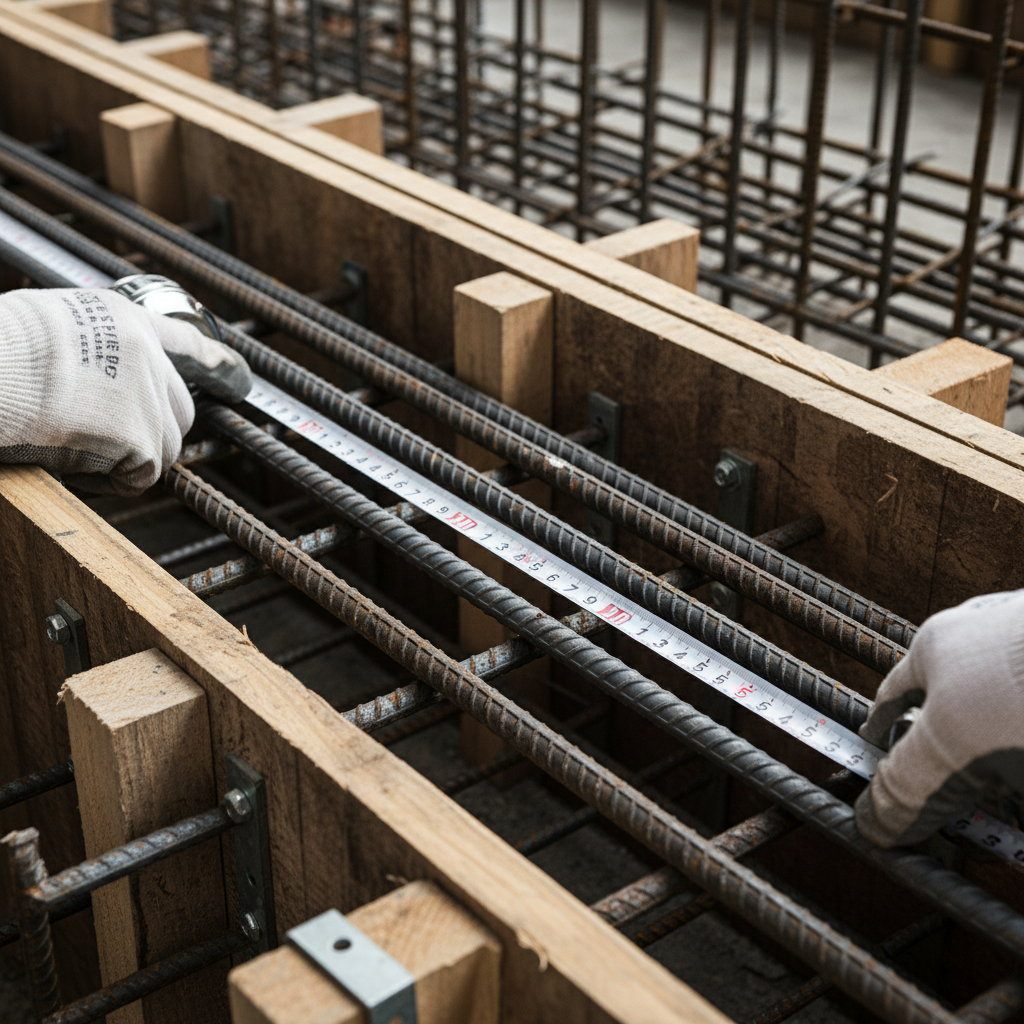
Self-contained insight: Rebar cover, embed placement, and anchor alignment drive finish quality. We verify these with pre-pour checks, then log photos with measurements. That single routine prevents slab fixes, crooked pump islands, and misaligned canopy columns—small steps, big returns.
Tools, templates, and resources
Use a connected toolset: CPM scheduling, submittal/RFI tracking, photo documentation, and digital closeout binders. Standardized checklists and look-ahead templates keep teams aligned and reduce decision lag.
In our experience, the tools matter less than the discipline behind them. We centralize schedules, submittals, RFIs, and inspections so the field and office see the same source of truth. For electrical-heavy interiors (like C-stores), review foundational practices in this electrical construction guide and adapt them to your sequence and AHJ requirements.
- Phase checklists: pre-pour, rough-in, above-ceiling, pre-close, and life-safety.
- Look-ahead planner: weekly constraints, deliveries, inspections, and owner decisions.
- Photo documentation: embed location and trade; tag for closeout and warranty.
- Submittal log: track long-lead approvals, alternates, and revision history.
Self-contained insight: Don’t wait for closeout to build your turnover package. Start the binder on day one and add O&M manuals, serials, and as-built photos as you go. It speeds occupancy and makes warranty calls painless.
Budget drivers and schedule controls (no pricing)
Budgets are shaped by site conditions, utility capacity, delivery method, long-lead equipment, and inspection sequences. Control them with early due diligence, defined alternates, locked schedules, and proactive permitting.
We don’t publish pricing because scope, site, and jurisdiction drive variance. Instead, we control the drivers owners can influence. Start with a hard look at utilities, soils, environmental constraints, and long-lead equipment. Then choose a delivery method and procurement plan that buys time and reduces scope risk.
What actually moves the needle
- Site conditions: geotechnical realities, cut/fill needs, and groundwater behavior.
- Utilities: transformer availability, service size, tap fees, and trenching paths.
- Long-lead items: electrical gear, RTUs, coolers, dispensers, canopy steel.
- Inspections: how many, in what order, and which prerequisites trigger them.
- Scope volatility: late design changes ripple through contracts and schedules.
Self-contained insight: Treat equipment lead times like critical path. If a panelboard or refrigeration rack is late, pull forward other work (site, interiors) to protect momentum, and pre-wire/rough-in for a plug-and-play install the day it lands.
Safety, compliance, and sustainability
Strong safety and compliance programs reduce incidents and inspection delays. For fuel retail, plan tank systems, leak detection, canopy, and dispenser installs under one safety and QA umbrella. Durable envelopes and corrosion-resistant metals extend lifecycle in coastal Texas.
We run safety like a production system: orientation, daily JHAs, task-specific PPE, logistics plans, and documented corrective actions. Quality integrates with safety—pre-pour checks, pressurization tests, leak detection, and canopy connections are verified before cover or energization. For envelope durability, metal systems and details matter; explore industry context on metal choices in commercial construction to inform specifications that can handle coastal exposure.
- Fuel-system integration: tanks, piping, sumps, and sensors sequenced with inspections.
- Life-safety alignment: egress, alarms, sprinklers, and emergency lighting reviewed pre-inspection.
- Environmental diligence: erosion controls, stormwater, and spill prevention included in site logistics.
- Durability and maintenance: coatings, sealants, and details selected for salt air and wind loads.
Self-contained insight: Many projects stumble at the “almost done” phase. We schedule a pre-final inspection—our mock punch—two weeks before the official one. That window is where small fixes get done without jeopardizing the opening date.
Case studies and examples (Texas)
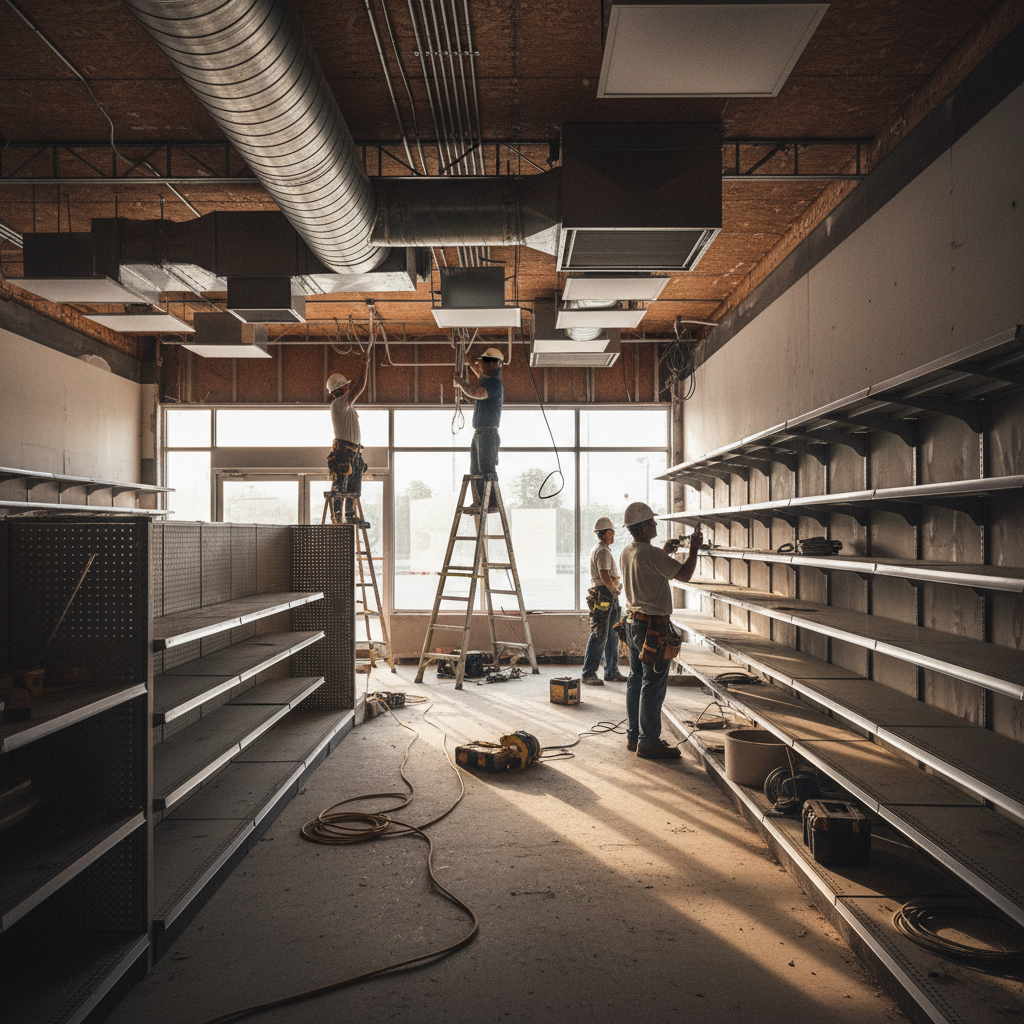
Real projects show how early CCM decisions pay off. In Texas fuel retail and retail shells, we compress schedules by front-loading permits, sequencing inspections, and buying long-lead items early—protecting critical opening windows.
Galveston fuel & C-store scenario
- Challenge: coastal weather variability, utility lead times, and corrosion exposure.
- Approach: CMAR with early utility coordination, corrosion-resistant envelope, canopy/tank inspection gates.
- Outcome: predictable inspection flow and a clean turnover, despite two weather events.
Beaumont retail shell
- Challenge: late tenant equipment selections risked redesigns.
- Approach: CM as Agent; locked shell MEP capacities, created alternates for tenant variations.
- Outcome: tenant build-outs fit power and HVAC envelopes without rework.
College Station site with groundwater
- Challenge: excavation and subgrade stability.
- Approach: phased dewatering, proof-roll inspections, and adjusted pour schedule.
- Outcome: slab quality preserved; no corrective grinds or slab injections later.
Self-contained insight: Each region teaches a lesson. Coastal Galveston demands materials that fight corrosion; Central Texas rewards aggressive utility planning; Southeast Texas reminds us that groundwater is a scheduling variable. CCM adapts those lessons into repeatable templates owners can trust.
How Tip Top Builders engages (and when to call)
Bring us in at site selection or schematic design to stress-test sites, plan permits, and lock long-lead items. We provide planning and design, site preparation and excavation, and full-scope construction management for Texas owners.
We specialize in fuel retail and retail/mixed-use developments statewide from our base in Galveston. Our integrated approach spans permitting, environmental assessments, design coordination, sitework, foundations, structure, interiors, inspections, and closeout. Explore how we partner through our construction management services.
Soft CTA: plan your project
- Schedule a short discovery call to align goals and opening targets.
- Request a readiness review: permitting path, utilities, and long-lead plan.
- Share your concept package to kick off constructability and sequencing.
Self-contained insight: The best time to save weeks is before the first shovel. A one-hour precon workshop often prevents months of downstream churn.
FAQ: commercial construction management
These short answers address common owner questions about CCM, delivery methods, timelines, and quality. For project-specific guidance in Texas, reach out for a readiness review.
What does a commercial construction manager actually do?
They plan the job, coordinate trades, manage the schedule and budget controls, enforce safety, and ensure quality and compliance. They also sequence inspections and handle RFIs and submittals so work flows without stalls.
Which delivery method should I choose for a Texas C-store?
If speed to open is critical, Design-Build or CMAR usually helps. If you want maximum control over vendors and alternates, CM as Agent can work well. The right choice depends on site risks, utilities, and how defined your prototype is.
How early should I engage a manager?
Engage at site selection or schematic design. Early involvement exposes permitting paths, utility constraints, and long-lead items before they impact the schedule. It typically reduces change orders and compresses the overall timeline.
Do you handle permitting and inspections in Texas?
Yes. We coordinate the permit sequence, track submittals, and schedule inspections across building, fire, health, and environmental authorities. We also prepare prerequisites, so inspectors can sign off on the first visit.
Conclusion and next steps
Commercial construction management aligns people, plans, and permits so Texas owners open on time. Start early, lock long-lead items, and run disciplined inspection and quality routines. Small habits prevent big delays.
- Key takeaways: choose the right delivery method, front-load permits/utilities, build inspection gates, and document quality daily.
- Action steps: book a discovery call, request a readiness review, and align your prototype with local conditions.
- Where we work: Based in Galveston, Tip Top Builders supports projects across Texas, including Beaumont, Port Neches, Nederland, Caldwell, College Station, Austin, Sugar Land, and Port Arthur.
Ready to plan a fuel-retail or retail build? Let’s align your opening window and build a clear path to occupancy—starting in Galveston and reaching wherever your Texas network grows next.