
Land construction is the end-to-end process of turning raw land into build-ready sites and finished structures. It spans planning, permitting, earthwork, utilities, and vertical builds. In Galveston, land construction demands coastal-aware design, strict safety practices, and reliable scheduling to open on time. This guide shows how Tip Top Builders delivers that result in Texas.
By Aftab Ali — Manager, Tip Top Builders
Last updated: 2026-06-23
Start Here: Your Land Construction Roadmap
Use this roadmap to move from raw land to opening day with confidence. It covers site selection, due diligence, permits, excavation and grading, drainage, utilities, structures, and closeout. Each step lists who’s involved, typical deliverables, and quality checks to keep projects predictable and compliant in Texas.
Here’s the thing: most delays start before machines arrive. A clear plan turns unknowns into scheduled tasks you can track. Use this section as your quick table of contents and checklist.
- What is land construction?
- Why it matters for Texas owners and developers
- How land construction works (step-by-step)
- Core methods and approaches
- Best practices that prevent rework
- Tools, reports, and resources you’ll use
- Case studies and real Texas examples
- Frequently asked questions
- Wrap-up, key takeaways, and next steps
At a Glance: Summary
Land construction succeeds when planning, permits, and site work align. The winning formula is early due diligence, coastal-ready designs, documented quality control, and disciplined scheduling. Tip Top Builders coordinates each stage so Galveston projects move from land to opening day without avoidable change orders or missed inspections.
- Primary goal: convert raw land to safe, compliant, build-ready sites.
- Critical path: due diligence → permits → earthwork → utilities → structures → inspections.
- Quality gates: geotech review, compaction testing, drainage verification, utility pressure tests, life-safety inspections.
- Texas focus: coastal wind loads, stormwater, floodplain checks, fuel-system compliance for gas stations and C-stores.
- Owner wins: predictable timeline, fewer surprises, and a partner accountable from site selection through handover.
What Is Land Construction?
Land construction is the coordinated set of activities that transform undeveloped or underutilized land into a finished, code-compliant property. It includes planning and design, investigations, permitting, clearing and grading, utilities, foundations, vertical construction, and closeout documentation.
In our experience across Texas, “land construction” often gets confused with “just dirt work.” It’s bigger. It blends civil engineering, permitting, and vertical construction into one accountable plan.
Core components you should expect
- Planning and design services: concept plans, preliminary elevations, and constructability input early.
- Due diligence: title and zoning checks, environmental assessments, traffic/access considerations.
- Permits and approvals: zoning, building, driveway/access, utility taps, and life-safety reviews.
- Site preparation and excavation: clearing, erosion control, grading, and compaction to specified density.
- Drainage and stormwater: swales, underground systems, or retention to manage heavy Texas rains.
- Utilities and foundations: water, sewer, power, gas, fiber, and the structural base for buildings and canopies.
- Construction management: scheduling, safety, QA/QC, and closeout submittals and as-builts.
Tip Top Builders specializes in fuel retail, commercial, and residential delivery—from raw land to opening day—so you stay focused on operations rather than chasing permits or coordinating ten vendors at once.
Why Land Construction Matters
Getting land construction right reduces rework, shortens schedules, and protects long-term asset value. Skipping due diligence or quality controls often leads to drainage failures, slab movement, or compliance issues that are costly to fix once structures are up.
Why does this matter in Galveston? Coastal soils, wind loads, and intense rain expose weak plans fast. Projects with tight site logistics—like gas stations and C-stores—have zero room for guesswork.
What owners gain when it’s done right
- Predictability: clear milestones, documented inspections, and a schedule everyone follows.
- Compliance confidence: proactive permitting and inspections reduce stop-work risks.
- Longevity: stable subgrades and managed drainage protect slabs, pavement, and structures.
- Operational readiness: layouts and elevations that speed fueling, parking, deliveries, and ADA access.
Want to see how planning impacts outcomes? Our framework in this construction planning and scheduling guide shows how scope definition, phasing, and critical-path logic reduce friction before day one on site.
How Land Construction Works (Step-by-Step)
The process flows from due diligence and permitting into controlled site work and vertical construction. Each phase has defined deliverables: reports, approvals, tests, and inspections. Managing handoffs between teams is the fastest way to prevent rework and keep Texas projects on schedule.
1) Site selection and due diligence
- Fit and access: traffic patterns, visibility, turn radii, and fuel delivery routes for gas station sites.
- Zoning and entitlements: allowed uses, setbacks, parking counts, canopy height, and signage allowances.
- Environmental assessments: wetlands, cultural resources, and potential contamination screening.
- Utilities and drainage: capacity checks and preliminary detention/retention concepts.
We guide developers through site selection and land acquisition so the parcel supports the business model before design fees begin.
2) Planning and design
- Concept design: building footprint, canopy location, dispenser islands, deliveries, and customer flow.
- Geotechnical: borings and lab tests inform pavement sections and foundation recommendations.
- Permitting strategy: parallel submissions when allowed (zoning, civil, architectural, utilities) to compress timelines.
For a deeper dive into preconstruction thinking, review our building construction guide for the decision points that lock schedule and quality early.
3) Permits and approvals
- Core set: zoning/land use, building, driveway/access, drainage/stormwater, utility taps, and health department (where applicable).
- Fuel retail specifics: underground storage tanks (UST), vapor recovery, cathodic protection, dispenser and piping approvals.
- Inspections plan: erosion control, trench safety, compaction, utilities, foundations, framing, MEP rough-ins, life safety.
Process familiarity cuts review cycles. Public checklists like this permit application guide (general reference) illustrate the typical sequence of submittals and pre-requisites you’ll coordinate.
4) Site preparation and excavation
- Clearing and erosion controls: stabilized construction entrance, silt barriers, and perimeter protection.
- Cut/fill and subgrade: mass grading to design elevations and compaction to the specified density (often 95% of Standard Proctor).
- Proofrolling and testing: under a loaded truck to verify support; field density tests document compliance.
Compaction and moisture control make or break the slab and pavement. This phase benefits from disciplined testing and transparent reporting.

5) Drainage and stormwater
- Design intent: move water off structures and pavement without causing downstream impacts.
- Common features: inlets, swales, underground detention, and outfalls sized for local rainfall intensity.
- Quality checks: invert elevations, slope verification, and as-built survey before paving.
Coastal Texas rainfall can be intense; right-sizing systems early avoids ponding that shortens pavement life or interrupts operations.
6) Utilities and foundations
- Underground work: water, sewer, electric, gas, communications—trench safety and locates are non-negotiable.
- Foundation placement: forms, reinforcement, anchor bolts, and inspections prior to pour.
- Paving and flatwork: base course, curb and gutter, truck aprons, sidewalks, and ADA routes.
Coordinated trenching and backfill sequencing prevents utility conflicts and unnecessary re-excavation later.
7) Vertical construction and closeout
- Structural and MEP: framing, enclosure, rough-ins, and equipment set.
- Finish and commissioning: interior build-out, exterior signage, lighting, and system tests.
- Handover: as-builts, O&M manuals, and final inspections for certificate of occupancy.
Our construction management team keeps documentation tight so your grand opening isn’t waiting on paperwork.
Types, Methods, and Approaches
Successful land development blends several methods: earthwork strategies (cut/fill vs. import), subgrade stabilization, stormwater systems, and utility routing. The optimal mix depends on soils, elevation targets, drainage constraints, and the operational model for the finished site.
Earthwork strategies
- Balanced cut/fill: move soil on-site to hit design grades and reduce import/export trucking.
- Import/select fill: bring engineered fill to achieve density or raise finished-floor elevations.
- Undercut and replace: remove unsuitable soils and backfill with stable material.
Subgrade stabilization options
- Mechanical: compaction, geogrids, and thicker base layers where loads are highest.
- Chemical: lime or cement treatment to improve bearing capacity and moisture resistance.
- Drainage-first: underdrains and positive slopes to keep the subgrade dry and stable.
Stormwater approaches
- Surface conveyance: swales and inlets for straightforward maintenance.
- Underground detention: vaults or chambers where land area is tight (common in retail pads).
- Permeable surfaces: selective use to reduce runoff where soils and usage allow.
Utilities and fuel-system routing
- Conflict avoidance: plan clear corridors to separate electric, gas, water, and communications.
- Future-proofing: spare conduits and pull strings reduce downtime for future upgrades.
- Fuel retail specifics: piping routes, containment, and dispenser placement to streamline operations.
| Process | Best When | Key Checks |
|---|---|---|
| Balanced cut/fill | Site has moderate elevation differences | Verify volumes; protect topsoil stockpiles |
| Import select fill | Need higher FFEs or better bearing | Material specs; delivery moisture control |
| Chemical stabilization | Wet or weak subgrades | Mix ratios; cure time before paving |
| Underground detention | Limited footprint; high runoff control | As-built survey; outlet structure settings |
For vertical scope, see our building construction guide, which connects the dots between site work, slabs, and the superstructure.
Best Practices That Prevent Rework
Great projects look “boring” during construction because the plan is tight. Lock your elevations, testing plan, and inspection sequence early; then track them. Most rework traces back to missing data, unverified slopes, or undocumented compaction.
Owner-side habits that pay off
- Decide the operational model: fueling positions, parking mix, delivery routes, and ADA paths.
- Approve a realistic phasing plan: keep the critical path clean and avoid late scope changes.
- Insist on measurable QC: density tests, proofroll logs, and surveyed inverts saved in one place.
Contractor-side controls we use
- Pre-task planning (PTP): daily briefings address hazards, weather, logistics, and sequencing.
- Hold points: no covering utilities, subgrades, or reinforcement before inspections are signed.
- Change control: document field conditions and agreed adjustments in real time.
Local considerations for Galveston
- Plan for coastal wind loads and potential surge; align elevations, connections, and canopy design accordingly.
- Schedule earthwork around seasonal rain; verify drainage and erosion controls before major pours.
- Coordinate utility locates early; coastal corridors can be congested near established commercial routes.
We detail scheduling tactics and risk buffers in our project planning and scheduling overview, which owners often use as a pre-bid checklist.
Tools and Resources You’ll Use
Expect a stack of practical tools: surveys, geotechnical reports, drainage models, plan sets, inspection logs, and as-builts. Organizing them is half the battle. We maintain a single source of truth so owners and inspectors always know what’s approved and what’s next.
Technical documents
- Boundary/topographic survey: property limits, contours, benchmarks, and utilities.
- Geotechnical report: borings, Atterberg limits, Proctor curves, and foundation/pavement recommendations.
- Drainage report and plan sheets: hydrology, conveyance, detention, and downstream analysis.
- Plan set and specs: civil, architectural, structural, MEP, and fuel-system drawings where applicable.
Field controls and QA
- Inspection checklists: erosion, trenching, compaction, reinforcement, utilities, and life safety.
- Density testing: field nuclear gauge results compared to lab Proctor targets.
- Proofroll logs and photos: document subgrade performance before paving and slabs.
External references (general context)
- Public-facing permit application guides can help owners visualize approval sequences.
- Materials logistics overviews, like this sand delivery guide, illustrate coordination points for aggregate and base.
- High-level primers on delivery models, such as this engineering company guide, outline roles across planning and build phases.
Organizing these items early streamlines review cycles and shortens the path to inspection sign-offs.
Case Studies and Real Examples
Texas projects succeed when site constraints, compliance, and operations align. These brief examples show how early planning decisions drive smooth construction, whether you’re building fuel retail, a retail pad, or a custom home.
Fuel retail (gas station + C-store)
- Challenge: tight corner parcel with high traffic and limited elevation fall.
- Solution: underground detention below parking, optimized canopy columns, and defined truck routes.
- Outcome: clean fuel-system inspections and fast commissioning thanks to sequenced utility and slab pours.
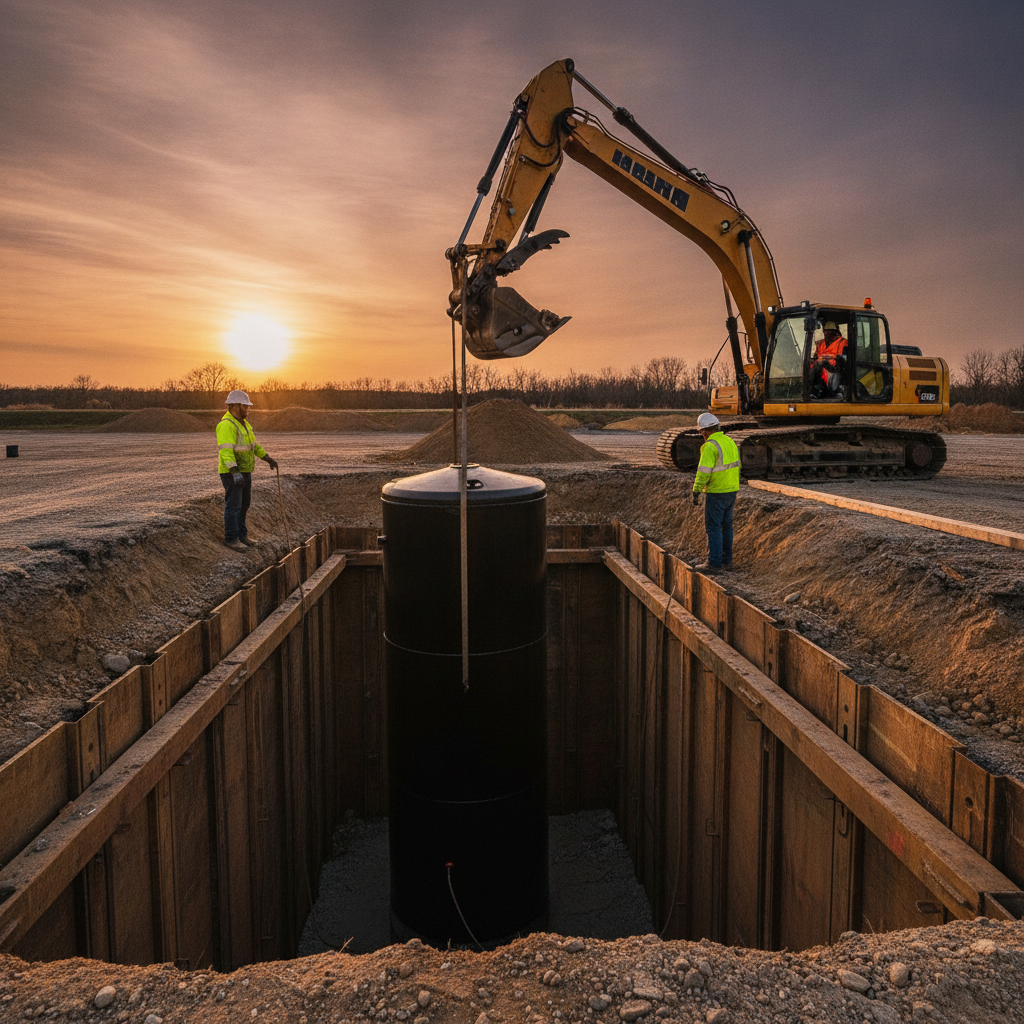
For owners planning fuel retail, our team’s specialization in gas station construction pairs civil work with dispenser, piping, and canopy integration so operations and compliance move in lockstep.
Commercial retail pad
- Challenge: shallow utilities crossing proposed drive aisles.
- Solution: reroute corridors and adjust grades to maintain cover without deepening trenches.
- Outcome: fewer conflicts in the field and simplified inspections on paving day.
See how vertical scope ties in by reviewing our building construction overview before locking storefront elevations.
Custom residential (coastal)
- Challenge: coastal soils with drainage sensitivity and wind-load requirements.
- Solution: geotechnical-informed foundations, positive drainage, and hurricane-aware detailing.
- Outcome: a durable home with an efficient build schedule and clear closeout documentation.
If you’re evaluating a new build, our custom homes page outlines how we align design intent with coastal best practices from the first sketch.
Frequently Asked Questions
Most owner questions focus on sequence, inspections, and responsibilities. These concise answers cover how projects move, what to prepare, and how Tip Top Builders keeps documentation and quality controls tight from land to opening day.
What is included in land construction beyond excavation?
It includes planning and design, due diligence, permits, clearing, grading, utilities, foundations, vertical construction, inspections, and closeout. We coordinate each stage so owners have one accountable partner from site selection through handover.
How do you avoid delays during permitting?
We map every approval, submit in parallel when allowed, and maintain a single source of truth for comments and resubmittals. Clear checklists and proactive outreach to reviewers reduce cycles and keep construction start dates on track.
What quality checks matter most in site work?
Documented compaction tests, proofrolls, and drainage as-builts. Verifying subgrade density and invert elevations before covering work prevents slab movement, pavement failures, and costly re-excavation later.
Do you handle gas station–specific compliance?
Yes. We integrate underground storage tanks, piping, dispenser islands, and canopy structures with permitting and inspections. Coordinated sequencing helps achieve clean inspections and timely commissioning for fuel retail sites.
Conclusion: Putting It All Together
Land construction succeeds when planning, permits, and site work run on one schedule with clear quality gates. If you align design intent, drainage, utilities, and inspections up front, opening day arrives without last-minute surprises.
- Key takeaways: treat land construction as a single, coordinated process; document QC; and design for Texas weather.
- Action steps: confirm site fit, align your phasing plan, and centralize submittals and inspections.
- Next conversation: if you’re comparing delivery models or exploring the cost to build at a high level, we’ll walk through scope and sequencing so you can plan with confidence.
Ready to plan your site? Schedule a preconstruction review with our team and we’ll map due diligence, permits, and site work so your timeline is solid from day one. Explore our planning and scheduling approach to get started.
Related Articles
Looking to go deeper? Explore topics that pair with land construction: planning and scheduling, environmental planning, vertical construction coordination, and custom residential strategies for coastal Texas.
- Preconstruction planning and phasing essentials
- Environmental planning for Texas developments
- From site work to superstructure: coordination must-haves
- Coastal custom homes: foundations, drainage, and inspections