
Building construction is the planned, coordinated process of turning designs into safe, code-compliant structures through stages like planning, permitting, site preparation, and managed build-out. It aligns scope, schedule, and quality to open on time. In Galveston and across Texas, Tip Top Builders guides this full journey for gas stations, commercial spaces, and homes.
By Aftab Ali Last updated: 2026-05-31
Overview and Table of Contents
This guide explains how building construction works in Texasfrom site selection and permitting to excavation, vertical build, and closeout. Youll see delivery methods, best practices, and real examples from Tip Top Builders projects to help you avoid delays, reduce rework, and open with confidence.
Use this complete, Texas-focused playbook to plan smarter, break ground sooner, and deliver predictable results with Tip Top Builders in Galveston.
- What building construction means and why it matters for Texas owners
- Step-by-step: from land to opening for C-stores, commercial, and residential
- Delivery methods compared: design-bid-build, design-build, CM at Risk
- Best practices for schedule, quality, safety, and inspections
- Tools we use: permits, CPM schedules, QA/QC checklists, punchlists
- Real-world case insights from Galveston, Beaumont, Sugar Land, and Austin
Local considerations for Galveston
- Plan for coastal moisture and wind exposure with corrosion-resistant fasteners, treated lumber where required, and robust waterproofing details at the shell and canopy connections.
- Schedule exterior work around storm seasons; sequence roofing, canopies, and envelope first to dry-in early, then push interiors while weather passes.
- Coordinate fuel-system subcontractors early for gas station builds; underground storage tanks and piping need inspections that can affect paving and canopy steel schedules.
What Is Building Construction?
Building construction is the end-to-end process of planning, permitting, designing, and assembling structures to meet codes, safety standards, and user needs. It integrates site work, structural systems, MEP trades, and inspections to deliver a usable facility on a committed schedule.
At Tip Top Builders, we define the work as everything from site selection and land acquisition through closeout. For Texas owners building gas stations (C-stores), retail pads, or homes, we bring planning and design, site preparation and excavation, and full-scope construction management under one accountable team.
- Scope alignment: We translate your program into phased drawings, specifications, and milestones that hold across bidding and build-out.
- Code and compliance: Jurisdictional reviews, special inspections, and safety controls are baked into the plan from day one.
- Turnkey delivery: One partner from land to opening reduces handoff risk and compresses timelines.
For a deeper look at early-stage planning, see our Planning & Design service overview that explains feasibility, zoning, and entitlement workflows.
Why Building Construction Matters in Texas
Well-run construction reduces change orders, compresses schedules, and protects safety and compliance. In Texas, where permitting varies by city, integrated planning prevents rework and helps owners open on time without compromising quality.
Heres the thing: every delay compounds. Weather, inspections, or late submittals ripple through paving, canopies, MEP rough-ins, and final inspections. We mitigate risk by locking submittal dates, sequencing long-lead items, and running early utility coordination. The payoff is predictable openings for C-stores, retail, and residential projects.
- Schedule predictability: Sequenced activities protect critical path work like foundations, tanks, and steel erection.
- Safety and compliance: Daily checklists, JHAs, and toolbox talks reduce incidents on busy fuel retail sites.
- Regulatory flow: Coordinating city reviewers, fire marshal, and environmental inspectors avoids last-minute surprises.
Owners in Galveston benefit from a contractor who understands coastal detailing and inspection cycles; those insights carry to Beaumont, Sugar Land, and Austin sites with different local nuances.
How Building Construction Works: Land to Opening
A successful build follows clear phases: site due diligence, permitting, preconstruction, site preparation and utilities, foundations and structure, MEP rough-ins, envelope and roofing, interiors, paving and canopies, commissioning, and closeout. Each phase has deliverables, inspections, and handoffs that protect the schedule.
Step-by-step workflow
- 1) Site selection & due diligence: Traffic counts, access, zoning, utility capacity, and environmental constraints. We flag conflicts early.
- 2) Permitting & approvals: Zoning, site plan, building, environmental, and trade permits. Stacking submittals accelerates review.
- 3) Preconstruction: Finalize drawings, bid scopes, buyout subs, and build the CPM schedule with material lead times.
- 4) Site prep & excavation: Clearing, grading, erosion controls, over-excavation if needed, and underground utilities.
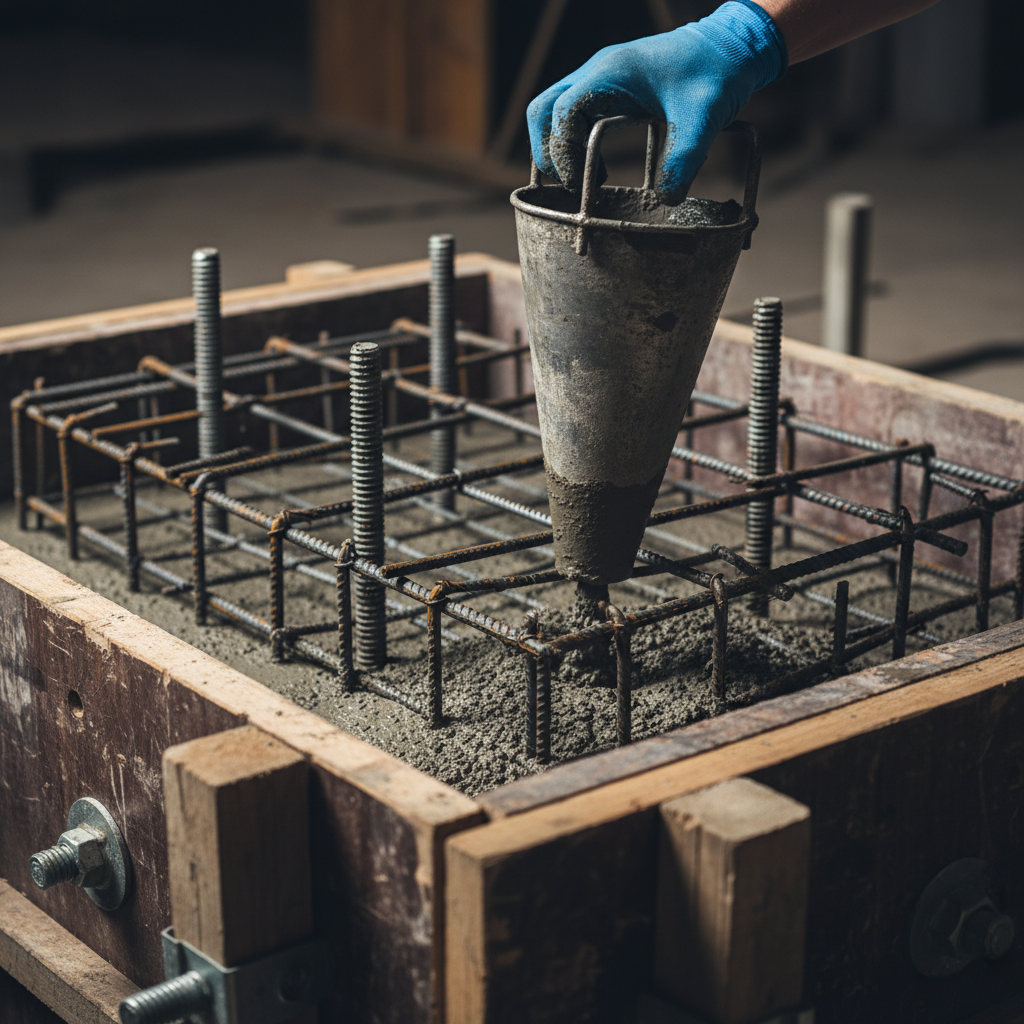
- 5) Foundations & tanks: Formwork, rebar, anchor bolts, slab-on-grade, and for C-stores, underground storage tanks placed and inspected before backfill.
- 6) Structure & envelope: Steel or CMU walls, roof trusses, sheathing, moisture barriers, and dry-in to protect interiors.
- 7) MEP rough-ins: Electrical, plumbing, and HVAC run to plan; inspections before close-up.
- 8) Interiors & finishes: Framing, drywall, painting, millwork, fixtures, and equipment set-in.
- 9) Paving & canopies: Concrete paving, islands, bollards, and fuel canopies erected with proper clearances.
- 10) Commissioning & closeout: Punchlist, startup, training, O&M manuals, and final CO.
For excavation details and sequencing tips, our field notes in Excavation Project: Save Time and Cut Waste break down grading tolerances and compaction checks that keep slabs and pavements performing well.
Types and Methods of Project Delivery
The three common delivery methods are design-bid-build, design-build, and Construction Manager at Risk. Each balances speed, cost control, and single-point responsibility differently. Choosing the right fit depends on your risk tolerance, design clarity, and timeline.
Selecting delivery is a leverage point. Owners who want one accountable partner often pick design-build; those who prefer competitive bidding on completed drawings may choose design-bid-build. CM at Risk adds precon support with cost and schedule input while retaining design flexibility.
| Method | Speed | Design Control | Single Point | When It Fits |
|---|---|---|---|---|
| Design-Bid-Build | Moderate | High (owner/architect) | No | Clear scope, desire for competitive bids |
| Design-Build | Fast | Shared with builder | Yes | Compressed schedule, turnkey accountability |
| CM at Risk | Fast to Moderate | High with CM input | Yes (with GMP) | Early cost/schedule guidance, evolving design |
Tip Top Builders frequently pairs integrated design with build for gas station and retail programs, which reduces handoffs and supports parallel permitting and early procurement.
Gas Station and C-Store Construction Focus
Fuel retail adds specialized scopes: underground storage tanks, double-wall piping, spill containment, canopy steel, and forecourt paving with traffic flow. Coordinated inspections and safety planning are essential to keep work moving and protect the environment.
Fuel system tasks interlock with civil and structural work. Tanks must be inspected and pressure-tested before backfill. Forecourt slopes must shed water away from dispensers. Canopy steel is set after paving islands and conduits are in place. These steps require tight sequencing and documented inspections.
- UST installation: Trench safety, bedding, tank placement, anchoring, and leak testing prior to backfill.
- Forecourt & canopies: Island forms, conduits, setting bollards, erecting canopy columns, and electrical tie-ins.
- Environmental controls: Erosion/sediment controls, secondary containment, and documented inspections at each milestone.
For a program view of fuel retail builds, explore our approach to turnkey delivery where site, structure, and fuel systems run on a single schedule.
Best Practices That Save Time Without Sacrificing Quality
The fastest path to opening is disciplined preconstruction, early submittals, accurate procurement, and a living CPM schedule. Field quality rises when crews have clear checklists, daily safety talks, and real-time RFIs resolved before they block inspections.
Schedule controls
- Plan long-lead items: Transformers, switchgear, RTUs, steel, and canopy packages drive the critical path.
- Front-load submittals: Approve mix designs, anchor layouts, canopy details, and dispenser cut sheets before mobilization.
- Weather windows: In coastal Texas, dry-in early; pull interiors forward when storms are forecast.
Quality and inspections
- Foundations: Rebar placement checks, anchor bolt templates, and slump/air tests prevent rework later.
- MEP rough-ins: Pre-inspection punch helps avoid open-wall delays.
- Concrete curing: Protect early strength and plan finish work around the common 28-day design-strength benchmark.
Safety leadership
- Daily JHAs and toolbox talks: Crews align on hazards, controls, and PPE before work starts.
- Fall protection & trenching: Forecourt excavations and canopy work demand clear rescue and shoring plans.
- Utility locates and lockout/tagout: Especially critical around dispensers, canopies, and service panels.
For owners tracking finishes, our residential architecture guide shares strategies we also use in commercial interiors: mockups, sample approvals, and finish schedules that prevent change churn.
Tools and Resources We Use
We rely on practical tools: entitlement and permit trackers, CPM schedules, 3-week lookaheads, RFIs and submittal logs, QA/QC checklists, safety audits, and punchlist apps. These simple, visible systems keep teams aligned and projects moving.
- Preconstruction: Utility letters, geotech reports, traffic studies, and environmental reviews captured in a single tracker.
- Scheduling: Levelled CPM master plus crew-based lookaheads ensures subs know whats next.
- Quality: Foundation, framing, MEP, and finish checklists with photo evidence.
- Safety: Orientation, daily JHAs, and site-specific rescue plans for canopy and trench work.
- Closeout: O&M manuals, trainings, warranty matrix, and spare parts table.
For context on field priorities beyond our scope, see these primers on trade coordination and materials logistics from electrical construction guides that highlight how early coordination prevents downstream conflicts.
Case Studies and Examples (Texas)
Real projects reveal where schedules win or slip. On Texas fuel and retail builds, early utilities, timely submittals, and weather planning consistently protect the critical path. The examples below map choices to outcomes you can replicate.
Galveston: Coastal retail pad
- Challenge: Moisture, wind exposure, and unpredictable storms threatened dry-in.
- Approach: Envelope first strategyroofing and waterproofing prioritized, with interiors sequenced during weather swings.
- Result: Dry-in ahead of the rainy window enabled continuous interior progress; punchlist was brief due to early mockups.
Beaumont: C-store with canopy and USTs
- Challenge: Coordinating UST inspections with paving and canopy erection.
- Approach: Tank install and testing completed before island forms; canopy steel sequenced after conduit rough-in.
- Result: No rework on forecourt grades; dispensers set once, electrical passed on first inspection.
Sugar Land: Mixed-use retail build-out
- Challenge: Aligning landlord requirements with tenant improvements.
- Approach: Shared submittal register; QA walks with landlord and tenant reps each milestone.
- Result: Fewer RFIs; permits closed without resubmittals thanks to joint mockups and documented decisions.
Austin: Urban infill constraints
- Challenge: Tight logistics and limited laydown forced just-in-time deliveries.
- Approach: Night deliveries for steel; daily lookaheads coordinated sidewalk closures and inspections.
- Result: Crews stayed productive with minimal idle time; inspections passed in sequence.
If youre developing in Texas, our construction insights blog shares field-tested tactics you can apply on your next site.

Risk, Safety, and Compliance
Safety performance, trench protection, and clear fall protection plans are non-negotiable. Written procedures, daily briefings, and competent-person oversight reduce incidents and inspection failures, keeping projects on schedule and teams safe.
- Trenching and shoring: Protect workers around UST excavations and utilities; assign a competent person for soil and protective systems.
- Fall protection: Canopy and roof work demand tie-off points and rescue planning before steel goes up.
- Hot work and electrical: Permits and lockout/tagout prevent forecourt and interior hazards during build-out.
For practical safety reminders tailored to field conditions, review this summary of construction site safety practices that reinforce daily planning, housekeeping, and hazard communication.
Materials, Procurement, and Logistics
Early submittals and firm buyout dates prevent material gaps that stall inspections. Long-lead items like steel, RTUs, switchgear, and canopy packages should be tracked weekly with factory updates and delivery contingencies.
- Submittals: Mix designs, anchor templates, canopy and dispenser cut sheets approved before field work touches them.
- Procurement: Align PO dates with fabrication slots; add alternates if lead times stretch.
- Site logistics: Plan laydown, crane access, and traffic flow; in infill zones, coordinate night deliveries.
Timely reinforcement deliveries keep foundations on track; a primer on rebar delivery timing shows why foundation work rises or falls on accurate takeoffs and confirmed dates.
Need an experienced Texas partner?
Tip Top Builders manages Texas projects from planning through closeout. If youre considering a C-store, retail pad, or custom home, well coordinate permits, excavation, structure, and inspections so you can open with confidence.
Lets talk about your site in Texas. Start with our Planning & Design services, then explore how we stage site preparation and excavation to set your project up for success.
Frequently Asked Questions
These quick answers address common owner questions about scope, permits, schedules, and inspections. Each response is concise and grounded in our Texas field experience.
What does building construction include from start to finish?
It starts with site selection and due diligence, then permitting, preconstruction, site prep and utilities, foundations and structure, MEP rough-ins, envelope and roofing, interiors, paving and canopies, and finally commissioning and closeout. Each phase has inspections to keep work compliant and on schedule.
Which delivery method is best for a gas station or C-store?
Design-build often fits fuel retail because it gives one accountable partner for USTs, canopies, and the building shell. CM at Risk works well if you want early cost and schedule input while design is still evolving. The right choice depends on timeline and risk tolerance.
How do you reduce delays during construction?
Front-load submittals, buy long-lead items early, and maintain a living CPM schedule with three-week lookaheads. Coordinate inspections in advance, and run daily safety and quality walks to catch issues before they block progress.
Whats different about coastal Texas projects?
Coastal moisture and wind exposure drive corrosion-resistant details and robust waterproofing. Weather windows also matter: dry-in early, then sequence interiors during storms. Inspectors may emphasize envelope and mechanical performance, so plan those reviews ahead.
Key Takeaways
Choose a delivery method that fits your timeline, front-load submittals and procurement, and protect critical path items like tanks, steel, and electrical gear. Local knowledge and disciplined safety keep inspections and crews moving.
- Integrate planning, permitting, and procurement to compress schedules.
- Use checklists and daily walks to reduce rework and speed inspections.
- Sequence coastal work to dry-in early; push interiors during storms.
- For fuel retail, align USTs, paving, and canopy steel on one schedule.
- One accountable partner from land to opening minimizes handoff risk.
Ready to build in Texas? Start the conversation with our integrated building design and construction approach. Were based in Galveston and manage projects across the state.