
An excavation project is the planned removal and relocation of soil and rock to prepare a site for safe, code-compliant construction. It includes surveying, clearing, grading, trenching, shoring, dewatering, compaction, and quality checks. In Galveston, Texas, Tip Top Builders manages excavation for gas stations, commercial pads, and homes—coordinating permits, safety, and schedules from day one.
By Aftab Ali, Manager — Tip Top Builders (Galveston, TX)
Last updated: 2026-05-30
Overview: Plan Your Excavation Project Right
Plan your excavation project by aligning surveys, permits, utilities, safety controls, equipment, and inspections into one critical path schedule. Lock soil data early, select trench protection, and define compaction targets. In our experience across Texas, this front-loaded planning compresses timelines, reduces rework, and prevents weather and utility conflicts.
Tip Top Builders delivers land-to-opening solutions for fuel retail, commercial, and residential builds across Texas. Excavation is where momentum—and risk—begins. A precise plan avoids stoppages, protects crews, and sets your structure on a stable, inspected base.
- What you’ll learn: definitions, steps, methods, QA/safety checkpoints, tools, and Texas-specific tips.
- Who this helps: gas station and C-store developers, commercial owners, and Texas homeowners.
- Why it matters: schedules stay predictable when soil, utilities, and permits are managed together.
Local considerations for Galveston
- High water table and coastal soils: Plan dewatering and use geotextiles beneath pads to stabilize sandy subgrades.
- Storm timing: Build in rain contingencies during Gulf storm seasons; protect stockpiles and slopes with erosion controls.
- Utility coordination: Confirm service routes early; coastal rebuilds often reveal undocumented lines—pothole before trenching.
For broader preconstruction context, see how we approach planning in our planning and design services and our building design guide.
What Is an Excavation Project?
An excavation project is the controlled process of cutting, moving, and compacting earth to create safe, stable conditions for utilities, foundations, and pavements. It spans surveys, clearing, trenching, shoring, dewatering, testing, and inspections, culminating in a verified subgrade ready for concrete, tanks, or utilities.
We treat excavation as a phase-gated workflow rather than just “digging.” Each gate—survey, soil classification, protection systems, and density tests—unlocks the next task. That structure keeps owners, inspectors, and crews aligned.
- Typical outputs: finished building pad, utility trenches, UST pits, drive lanes, and detention features.
- Core controls: soil type identification, trench protection selection, erosion/sediment controls, and compaction standards (often 95% maximum dry density by Proctor).
- Key records: locate tickets, daily safety logs, compaction tests, and as-built elevations.
On fuel retail sites, excavation also readies underground storage tank (UST) pits and dispenser islands with strict separation from utilities and structures. For homes, it focuses on foundations, drainage, and service laterals.
Explore how we coordinate design decisions upstream in our project approach overview.
Why Excavation Matters to Schedule, Safety, and Cost
Excavation drives project certainty. Proper soil data, protection systems, and compaction reduce rework, utility conflicts, and weather delays. When crews build on a verified subgrade with documented density and drainage, structures perform better and inspections move faster.
Here’s the thing: small misses here compound later. A soft pad or poorly benched trench triggers cascading delays—failed tests, re-excavation, or slab movement. Conversely, tight excavation control accelerates inspections and keeps trades moving.
- Fewer surprises: Utility potholing and as-builts reduce change orders downstream.
- Inspection-ready: Clearly documented benching, shields, and slopes demonstrate safe access and stable walls.
- Durable performance: Verified density and drainage prevent settlement, rutting, and moisture intrusion.
We fold excavation planning into our end-to-end delivery so schedule risk and safety controls stay visible from design through pour.
How an Excavation Project Works (Step-by-Step)
Successful excavation follows a gated sequence: verify survey and utilities, clear and grub, strip topsoil, classify soil and water risks, trench with protection, dewater as needed, compact in lifts, and pass inspection before placing concrete or USTs. Each gate confirms safety, geometry, and density.
Below is a step-by-step flow we use on fuel retail, commercial pads, and residential foundations. Adapt the specifics to site conditions and jurisdictional requirements.
| Phase | Owner/Developer Focus | General Contractor Focus | Key Checkpoints |
|---|---|---|---|
| 1) Surveys & Locates | Authorize survey, share prior as-builts | Stake limits, request utility locates | Benchmarks, limits of disturbance |
| 2) Permits & TMP | Confirm approvals | Traffic & safety plan, SWPPP | Permit cards, protection devices set |
| 3) Clearing & Stripping | Confirm tree saves | Remove brush, strip topsoil | Haul tickets, erosion controls |
| 4) Soil & Water | Review geotech data | Classify soil, plan dewatering | Soil type, groundwater notes |
| 5) Trench & Protect | Sequence utilities | Benching/shoring/shielding | Access/egress every ~25 ft |
| 6) Subgrade Prep | Approve structure placement | Proof-roll, stabilize if needed | Compaction to spec (e.g., 95%) |
| 7) Inspections | Attend as needed | Coordinate inspectors | Density tests, geometry |
| 8) Place Work | Release trades | Pour slab/set USTs | Final checks, redlines |
Step details that prevent rework
- Utility potholing: Hand-dig or vacuum to daylight utilities at crossings so trench crews don’t strike live lines.
- Lift thickness: Compact fill in uniform lifts (commonly 6–8 inches) and test each lift before continuing.
- Water management: Ditch, sump, or well-point in high water table zones; keep subgrades dry before testing.
- Scheduling buffers: Add float around inspection windows, especially before slab or tank placement.
For a deeper look at how we control risk and flow across trades, review our Tip Top Builders experience.
Types, Methods, and Approaches
Choose excavation methods based on soil type, water, depth, and structure. Common approaches include cut-and-fill, trenching with shoring or benching, mass grading with stabilization, rock ripping, and specialty pits for USTs. Coastal Texas sites often need dewatering, geotextiles, and traffic-rated backfill.
Mass grading and pad prep
- Cut-and-fill balancing: Minimize import/export by balancing volumes; protect stockpiles from storms.
- Stabilization options: Geogrid, lime, or cement treatment when proof-rolls reveal pumping or rutting.
- Compaction targets: Many pad specs require ~95% maximum dry density (Proctor) verified by tests.
Trenching strategies
- Protection selection: Benching, hydraulic shoring, or shields based on soil type and depth.
- Sequencing: Install deeper mains first; maintain minimum clearances to power, gas, and communications.
- Backfill zones: Use select backfill around utilities; compact in lifts to maintain trench integrity.
UST pits for gas station construction
- Geometry: Excavate to fit double-wall fiberglass tanks with bedding, deadmen, and anchor straps.
- Separation: Maintain required offsets from structures and utilities; coordinate with AHJ before placement.
- Subbase: Use graded, compacted subbase; geotextiles help isolate sands and prevent migration.
Dewatering and groundwater control
- Surface diversion: Swales and check dams route stormwater away from open cuts.
- Sumps and pumps: Temporary wells and sumps keep bottoms dry for testing and placement.
- Water quality: Protect discharge points with sediment controls; avoid undermining adjacent grades.
Rock and hard material
- Ripping and hammering: Use rippers or hydraulic hammers where blasting isn’t feasible.
- Saw-cut control: Maintain neat joints when tying into pavements or structures.
Safety and QA/QC Best Practices
Protect crews and quality by matching protection systems to soil and depth, controlling water, compacting in tested lifts, and documenting everything. Safe access, spoil setbacks, and traffic plans reduce incidents while density tests, proof-rolls, and redline as-builts lock in performance.
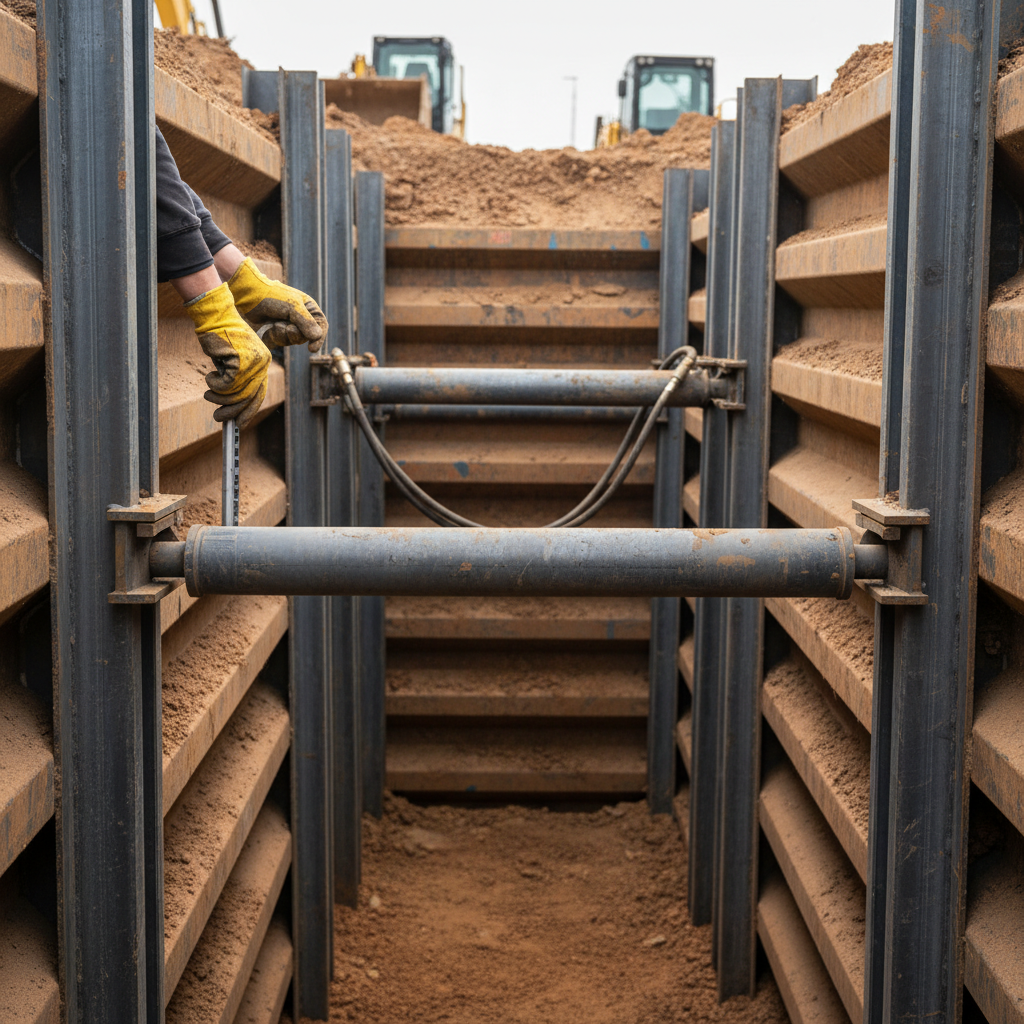
Trench protection essentials
- Protection threshold: Trenches around 5 feet deep or more require a protective system; shallow cuts with potential for collapse deserve caution.
- Access and egress: Provide safe ladders or ramps within reasonable travel distance for workers.
- Spoil placement: Keep spoil and equipment away from trench edges to limit surcharge loads.
Quality checkpoints we don’t skip
- Proof-rolls: Identify pumping areas before placing base; stabilize weak spots first.
- Lift-by-lift testing: Verify each compacted lift meets density criteria before covering.
- Survey as-builts: Capture rim and invert elevations; photograph utilities for turnover packages.
For a safety perspective from another trade, this overview on improving construction site safety echoes the value of clear traffic plans and PPE discipline.
Erosion, sediment, and storm controls
- Perimeter controls: Silt fence, wattles, and inlet protection keep fines on-site.
- Slope management: Benching and temporary seeding help stabilize sandy faces.
- Rapid cover: Place base and concrete promptly once subgrades pass inspection.
Tools, Equipment, and Resources
Equip your excavation project with survey gear, excavators, dozers, compactors, trench protection, and dewatering systems. Pair field tools with checklists and scheduling software. The right mix shortens cycles, keeps subgrades dry, and helps crews pass inspections on the first attempt.
Field equipment
- Excavators & loaders: For trenching, mass earthwork, and stockpile handling.
- Dozers & graders: For pad shaping, slopes, and roadbeds.
- Compaction: Sheepsfoot, smooth drum, rammers, and plate compactors for lifts and tight spots.
- Protection & dewatering: Trench boxes, hydraulic shores, pumps, and well-points.
Planning tools
- Daily pre-task plans: Clarify soil types, weather risks, and utility crossings.
- Photo and test logs: Create a visual record of density tests and trench protection setups.
- Two-week look-aheads: Sequence inspections and pours; protect the critical path.
Curious about trenchless concepts for service lines? This primer on trenchless technology explains methods that can complement open-cut work in constrained areas.
Case Studies and Examples (Texas Sites)
Texas projects demand adaptable excavation plans. Coastal sands, inland clays, and urban utilities vary by city. Our approach blends soil stabilization, dewatering, and careful sequencing so inspections clear fast and trades can mobilize without rework.
Fuel retail site near the coast
- Challenge: High water table with sandy subgrade for a fuel retailer.
- Action: Installed geotextile under the tank bedding and used sumps to control water during UST placement.
- Result: Passed bedding checks and set double-wall tanks on schedule.
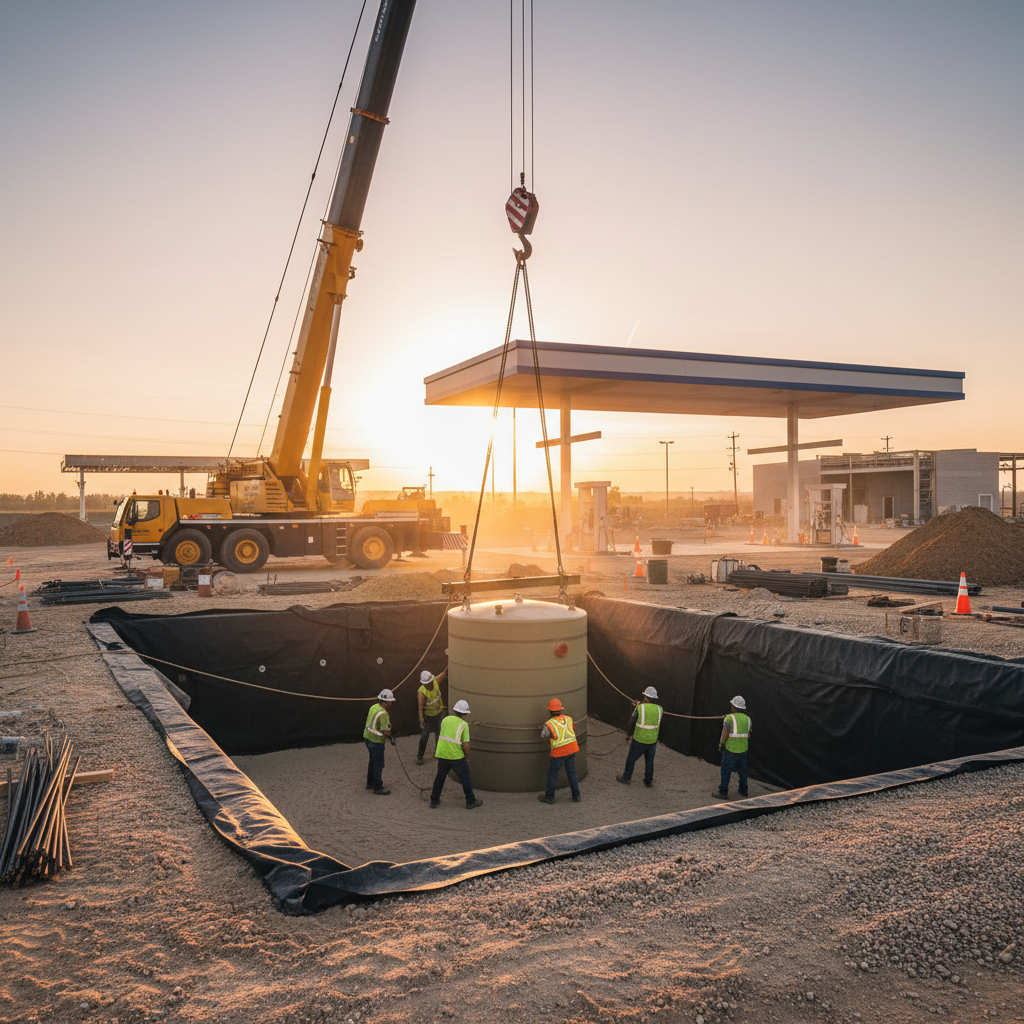
Commercial pad on expansive clays
- Challenge: Expansive clay movement telegraphing into pavements.
- Action: Proof-rolled, lime-treated select zones, and compacted in thin, tested lifts.
- Result: Achieved stable subgrade and smooth base course ahead of paving trades.
Residential foundation in a tight urban lot
- Challenge: Limited access with adjacent utilities.
- Action: Potholing at crossings, narrow trench shields, and off-hour deliveries to reduce conflicts.
- Result: Maintained neighbor access and cleared foundation inspection quickly.
Busy corridor utility upgrade
- Challenge: Traffic control pressure and limited daylight time windows.
- Action: Staggered crews, firm access/egress points, and frequent QA snapshots for inspectors.
- Result: Kept lane closures brief and completed tie-ins with no rework.
For context on how these field decisions connect back to design intent, compare with our residential architect guide and integrated project approach.
Project Management and Coordination
Tie excavation into your master schedule. Lock in permits, inspections, and utility locates early. Keep a two-week look-ahead updated, track density tests, and trigger gates (survey → trench protection → compaction → inspection) so trades mobilize on time.
- Coordination rhythm: Daily huddles, midweek progress checks, and end-of-week look-aheads keep the plan real.
- Document control: Redline as-builts as you go; don’t wait to end-of-phase.
- Inspection readiness: Photos, logs, and test results available before the inspector arrives reduce return visits.
Managing these gates is part of our construction management playbook that emphasizes safety, quality, and predictable delivery.
Need a site prep assessment? If you’re planning a gas station, commercial pad, or home build in Texas, we can review your soils, utilities, and permits to de-risk excavation before mobilization.
Request a consultation with Tip Top Builders.
Excavation Project FAQ
These are the most common questions we hear before excavation begins. Each answer is concise, specific, and aligned to Texas sites, permitting, and inspection workflows.
What documents should I have ready before excavation starts?
Have stamped drawings, geotechnical report, utility locate confirmations, erosion control plan, and permit cards on-site. Add a two-week look-ahead and daily pre-task plans so crews and inspectors see the sequence and safety controls at a glance.
How do you keep trenches safe in sandy coastal soils?
We select benching, shoring, or shields based on soil classification and depth, then control water with sumps and diversion. Spoils stay back from edges, safe access is maintained, and supervisors verify protection setups with daily checks and photos.
What density is typically required for building pads?
Many Texas pad specifications call for about 95% of maximum dry density by Proctor. We compact in thin, uniform lifts and test each lift before moving forward, stabilizing soft spots as needed to pass proof-rolls and inspection on the first attempt.
Can trenchless methods replace open-cut excavation?
Sometimes. In tight corridors or to limit surface disruption, trenchless options can complement open-cut for service laterals or crossings. We evaluate soil, alignment, and traffic impacts before recommending trenchless or conventional trenching.
Conclusion and Next Steps
Treat excavation as a controlled, documented workflow. When soil data, trench protection, dewatering, and compaction are planned together, inspections clear faster and structure performance improves. The result is a safer site and a schedule you can trust.
Key takeaways
- Front-load surveys, geotech, and permits to compress field timelines.
- Match protection systems to soil type and depth; control water before testing.
- Compact in thin, tested lifts to reach density on the first try.
- Keep redlines, photos, and test results current for smooth inspections.
Ready to move from drawings to dirt with confidence? Our team in Galveston supports Texas projects from site selection to handover—especially fuel retail and commercial pads where excavation precision is non-negotiable. Book a discovery session to get your excavation project plan started.
Additional context from other trades can broaden your planning lens. For example, a concise electrical construction guide highlights sequencing and safety thinking that aligns with excavation planning.