
Building design and construction is the coordinated process of planning, engineering, permitting, and building structures from concept through closeout. In Galveston, Texas, Tip Top Builders guides that process end-to-end so projects move from land to opening without bottlenecks. Clear scopes, early permits, and disciplined management reduce change orders and schedule risk.
By Aftab Ali — Tip Top Builders
Last updated: May 29, 2026
Above-Fold Guide & Table of Contents
Use this guide to plan smarter and build faster in Texas. It outlines the complete journey—from site selection and permitting to excavation and vertical build—so you can avoid delays, protect quality, and stay aligned with safety and compliance from day one.
Here’s what you’ll get from this complete, Texas-focused playbook by Tip Top Builders:
- Plain-English definitions of building design and construction
- A practical step-by-step workflow you can follow immediately
- Delivery method guidance (design-build, design-bid-build, CMAR)
- Gas station/C-store specifics from raw land to grand opening
- Checklists and best practices for safety, quality, and schedule control
- Texas-local context grounded in our Galveston-based team’s experience
- What is building design and construction?
- Why this process matters
- How the process works (step-by-step)
- Project delivery methods compared
- Best practices that prevent delays
- Tools and resources
- Mini case studies (Texas)
- FAQ
- Conclusion and next steps
Overview
In Texas, successful building design and construction blends clear planning, code-aligned drawings, rigorous permitting, and disciplined field execution. When each phase hands off cleanly, projects finish faster, with fewer rework cycles and safer outcomes for crews and communities.
Tip Top Builders delivers land-to-completion services for gas stations (C-stores), commercial properties, and residential homes across Texas. From Galveston, we coordinate site selection, permitting, environmental reviews, excavation, and full construction management so owners receive a turnkey experience.
- Audience fit: entrepreneurs, developers, and homeowners seeking end-to-end guidance in Texas
- Scope: planning and design, site preparation and excavation, and full build management
- Focus: schedule reliability, safety, sustainability, and regulatory compliance
- Where we’ve worked: projects in Beaumont, Port Neches, Nederland, Caldwell, College Station, Austin, Sugar Land, and Port Arthur
Explore our service capabilities in Planning & Design to see how we stand up projects smoothly from day zero.
Local considerations for Galveston
- Account for coastal wind and corrosion by specifying marine-grade fasteners and protective coatings in design documents.
- Plan weather-aware sequencing—pour slabs and set tanks in stable windows; keep stormwater controls staged before rain-prone periods.
- Engage local reviewers early for fuel system and life-safety reviews to avoid back-and-forth late in the schedule.
What Is Building Design and Construction?
Building design and construction is the integrated lifecycle of shaping a project’s concept, securing approvals, engineering systems, preparing the site, and erecting the structure. It aligns owners, architects, engineers, and contractors to deliver code-compliant, safe, and durable facilities.
At its core, this discipline translates a business case—like opening a gas station or retail space—into a permit-ready design and then into a complete, operating facility. The emphasis is on clarity: requirements, drawings, specs, schedule, and acceptance criteria must be explicit and traceable.
- Design inputs: site constraints, traffic counts, fuel system requirements, utilities, and jurisdictional codes
- Outputs: civil, architectural, structural, MEP, and fuel system sheets coordinated to the same baseline
- Execution: clearing, grading, and excavation followed by foundations, superstructure, enclosure, interiors, and commissioning
- Controls: submittal logs, RFIs, inspections, checklists, and punchlists tied to closeout documents
For Tip Top Builders, building design and construction isn’t just “the build.” It includes site selection, land acquisition input, permit and zoning approvals, environmental assessments, and turnkey construction management. That complete arc helps owners avoid fragmented handoffs and surprise scope gaps.
Why Building Design and Construction Matters
A disciplined design-and-build process protects budgets and timelines while improving safety and quality. Clear deliverables, earlier permits, and proactive risk planning drive fewer change orders, faster inspections, and smoother openings for Texas projects.
When projects skip steps or compress reviews, issues surface later—often during excavation, utility tie-ins, or inspections—when fixes are slower and more disruptive. The reality is simple: prevention beats correction. Well-scoped plans, environmentally sound designs, and constructible details reduce rework and keep field crews productive.
- Owner outcomes: predictable schedules, fewer unknowns, and confident openings
- Team outcomes: safer jobsites, clearer responsibilities, and fewer RFIs
- Community outcomes: compliance with environmental and life-safety standards
In our experience across Texas, the projects that start with strong planning and design—especially for fuel retail—move measurably faster through permitting and inspections and avoid prolonged downtime caused by redesigns or late material changes.
How Building Design and Construction Works (Step-by-Step)
The best way to deliver on time is to follow a clear sequence: site due diligence, conceptual design, permitting, detailed design, procurement, site preparation, foundations, structure, enclosure, interiors, commissioning, and closeout. Each step feeds the next.
Below is a practical, field-tested sequence we use to keep Texas projects—gas stations, retail pads, and custom homes—moving without friction. Use it as a blueprint and tailor as needed.
- Site selection and due diligence. Validate zoning, access, traffic flows, utilities, topo, and environmental red flags. For C-stores, evaluate fuel system setbacks and truck routes.
- Concept and programming. Define building size, pump count, parking, back-of-house functions, and brand standards. Establish performance criteria for MEP and envelope.
- Schematic design. Develop civil, architectural massing, and preliminary structural and MEP diagrams. Identify code paths and life-safety strategy.
- Permitting plan. Map the exact submittals required (building, civil, fuel system, signage) and the sequence. Aim for clean, complete packages to reduce resubmittals.
- Design development. Coordinate disciplines: structural loads, equipment locations, meter sets, grease trap (if foodservice), and underground fuel lines.
- Construction documents. Produce coordinated civil, architectural, structural, MEP, and fuel system sheets with details, schedules, and specifications aligned to the same baseline.
- Procurement plan. Lock long-lead items (canopies, tanks, panels, HVAC units). Create submittal and lead-time logs aligned to mobilization and critical path.
- Site preparation and excavation. Clearing, grading, erosion controls, utility trenches, tank pits, and subgrade testing. Protect stormwater pathways and adjacent properties.
- Foundations and tanks. Form, reinforce, and place foundations. Set USTs and dispensers where applicable with inspections before backfill.
- Structure and enclosure. Erect steel or wood framing, install sheathing, weather barriers, and roofing. Dry-in early to protect interior progress.
- MEP rough-in and finishes. Run mechanical, electrical, plumbing, and specialty systems, then close walls, install fixtures, and complete interior finishes and millwork.
- Commissioning and closeout. Test systems, finalize AHJ inspections, assemble O&M manuals, and deliver as-builts. Train staff where needed and plan soft opening.
Tip Top Builders manages each handoff with checklists and documented inspections so design intent is preserved, and compliance boxes are ticked before they can create friction on the critical path.
Project Delivery Methods: Design-Build vs. Alternatives
Choose a delivery method that aligns risk, speed, and collaboration. Design-build accelerates coordination with a single accountable team, while design-bid-build emphasizes lowest initial bid and CMAR balances early contractor input with separate design contracts.
Most owners choose among three common delivery structures. Your choice shapes collaboration, risk allocation, speed, and change management. Here’s a plain-language comparison for Texas owners balancing time-to-open with control preferences.
| Method | Speed to Permit/Build | Coordination | Change Flexibility | Primary Advantage | Key Consideration |
|---|---|---|---|---|---|
| Design-Build | Fastest | Highest (single team) | High (integrated) | One accountable partner; fewer handoffs | Requires trust in the integrated team |
| Design-Bid-Build | Moderate to slow | Moderate (separate entities) | Moderate (formal change process) | Competitive bidding on a fixed design | Higher risk of gaps/RFIs during build |
| CMAR | Fast | High (contractor joins early) | High (precon alignment) | Constructability input before final docs | Requires aligned incentives and transparency |
Our Galveston-based team often recommends design-build for gas station and C-store projects because early fuel-system coordination and canopy/tank lead times benefit from an integrated path. For certain public or complex commercial builds, CMAR can be an excellent middle ground.
Best Practices That Prevent Delays
Prevent delays by locking your scope early, sequencing permits, ordering long-lead items first, and enforcing rigorous quality and safety controls. Weekly lookaheads and daily huddles keep teams aligned and reduce rework.
These practices come from managing end-to-end projects across Texas. Apply them systematically; you’ll see schedule reliability improve and inspections move faster.
- Front-load decisions. Confirm pump counts, canopy size, electrical service, and finish standards before CDs to avoid redesigns downstream.
- Package permits smartly. Submit civil and fuel-system drawings in parallel where jurisdictions allow; follow with architectural/MEP once comments land.
- Secure long-lead items immediately. Tanks, canopies, switchgear, and RTUs drive critical path—get POs placed early with submittal deadlines.
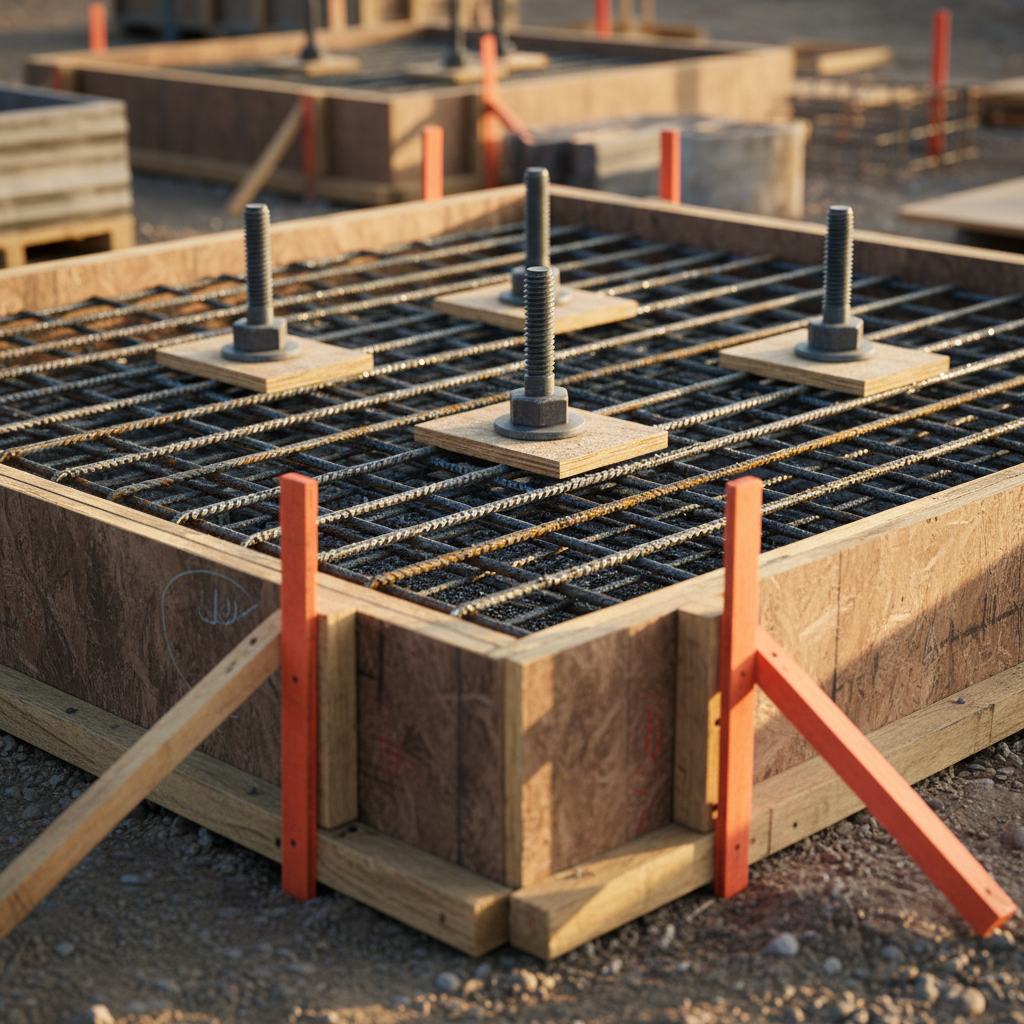
- Detail the foundation interface. Anchor bolt layouts, island elevations, and under-slab conduit paths reduce “field fixes.” See practical perspectives in this timely rebar delivery overview.
- Run weekly lookaheads. 2–3 week lookaheads paired with daily foreman huddles highlight clashes before they burn days on site.
- Document inspections. Keep an inspection matrix by trade and phase—fuel system, civil, structural, electrical, life-safety—to avoid missed sign-offs.
- Protect the site. Erosion controls and material staging plans prevent weather losses and rework after storms.
- Coordinate power early. Utility coordination often defines your opening date; push applications and meter sets early and track weekly.
- Standardize submittals. Use templates so every vendor delivers complete, comparable data for faster approvals.
- Close the loop on RFIs. Assign owners to each RFI, set response SLAs, and recap resolutions in coordination meetings.
- Commission as you go. Pre-functional checks during rough-in catch issues earlier than end-of-project testing.
- Benchmark practices. For broad contracting context, skim this general contracting primer and this practical electrical construction guide to align trade expectations.
We embed these habits in our construction management playbook so owners see fewer surprises and crews stay productive from mobilization to handover.
Tools and Resources We Use (and Recommend)
Use collaborative design platforms, structured submittal logs, 3-week lookaheads, and standardized checklists. These tools make information visible, reduce rework, and keep procurement, inspections, and commissioning on track.
Tooling is about visibility and rhythm. The best stack blends cloud coordination, field-first checklists, and simple reporting.
- Design collaboration: shared model viewers and markups so architects, engineers, and field teams resolve clashes before mobilization.
- Permit trackers: one dashboard for jurisdictional comments, resubmittal dates, and inspection sign-offs.
- Procurement logs: long-lead register with promised ship dates, approved submittals, and on-site verification steps.
- 3-week lookaheads: rolling schedules owned by trade foremen; reviewed in a weekly coordination meeting.
- Quality/safety checklists: pre-pour, pre-backfill, pre-cover, and pre-energization checklists reduce rework and hazards.
- Closeout toolkit: punchlist app, O&M manual templates, warranty registers, and training agendas for a clean handover.
For owners, we share simple dashboards and milestone snapshots so you can track progress without wading through technical noise.
Mini Case Studies: Texas Projects
Real projects prove the process. These brief Texas examples show how early planning, smart permitting, and disciplined site work lead to smoother inspections, faster openings, and better long-term performance.
We protect client privacy while sharing the mechanics that matter. Each example highlights a typical challenge and the move that unlocked momentum.
Fuel Retail: Greater Port Neches
- Challenge: Tight timeline with underground storage tank (UST) installation and canopy delivery on the critical path.
- Move: We sequenced fuel-system permits in parallel with civil and locked canopy fabrication early. Foundation details included precise island elevations and under-slab conduit.
- Result: Inspections cleared in stride; canopy and dispensers landed without rework, enabling a reliable opening window.
Commercial Retail: College Station Area
- Challenge: Utility coordination risked sliding the opening date due to meter set lead times.
- Move: We pushed applications at schematic design, tracked weekly, and staged temporary power to keep interior progress moving.
- Result: Interior trades worked uninterrupted; final energization aligned with finishes and inspections for a clean handoff.
Residential Construction: Galveston
- Challenge: Coastal wind exposure and corrosion risk raised structural and finish durability concerns.
- Move: Specified wind-rated assemblies, marine-grade fasteners, and protective coatings; scheduled exterior work around high-wind periods.
- Result: A resilient home with lower long-term maintenance and confident inspections.
If you’re exploring a custom home path, our internal guide to working with a residential architect in Texas pairs well with this playbook.
Considering a Texas project? Whether it’s a C-store, retail pad, or custom home, we can help you shape scope, map permits, and set a reliable schedule from day one.
Request a planning & design consultation to get a clear path from land to opening.
Frequently Asked Questions
Owners ask how to start, how long permits take, and which delivery method fits. The right answers depend on scope and jurisdiction, but a strong planning and design phase always shortens the road to opening.
What should I do first when planning a gas station or C-store?
Start with site due diligence and a clear permitting map. Validate zoning, access, utilities, and environmental constraints, then align civil, architectural, structural, MEP, and fuel-system drawings to the same baseline. Early clarity prevents redesigns and shortens the approval cycle.
How long does permitting usually take in Texas?
Timelines vary by jurisdiction and project complexity. Submitting complete, coordinated packages reduces resubmittals and accelerates reviews. We track comments in a permit dashboard and address them in batches to keep momentum. Parallel submittals help when local rules allow.
Is design-build better than design-bid-build?
It depends on your priorities. Design-build speeds coordination with a single accountable team and often delivers faster. Design-bid-build emphasizes competitive pricing on a fixed set of plans but can introduce gaps during construction. CMAR offers a middle ground with early contractor input.
How do you keep projects on schedule once construction starts?
We run rolling 3-week lookaheads, daily huddles, and structured submittal and inspection logs. Locking long-lead items early and coordinating utilities from schematic design prevents the most common schedule slips. We also commission systems progressively to catch issues before closeout.
Conclusion: Your Next Steps
Strong planning and design, smart permitting, and disciplined field management are the fastest route from land to opening. Align your team early, lock critical decisions, and track milestones visibly to cut delays and protect quality.
Tip Top Builders brings integrated planning and design services, site preparation and excavation expertise, and hands-on construction management to projects across Texas. If you’re based in or near Galveston—or developing anywhere in the state—we’re ready to help you move from concept to ribbon cutting with confidence.
- Key takeaways:
- Define scope early and coordinate drawings to one baseline.
- Sequence permits and lock long-leads before mobilization.
- Use weekly lookaheads and documented inspections to maintain flow.
- Choose a delivery method that fits your priorities (speed, control, collaboration).
- Action steps:
- Schedule a planning and design conversation with our team.
- Bring any existing surveys or concept sketches—we’ll turn them into a roadmap.
- Align a target opening window and we’ll back-plan milestones to hit it.
Ready to build in Texas? Book a discovery session with our Galveston-based team today.